Home
/
Cat Breeds
/
Maine Coon
Maine Coon
Origin
United States
Size
Large Breed
Ideal Space
Independent House
Ideal Weather
10º-25ºC
Life Expectancy
12-15 years
Cost of buying
₹ 40,000 - ₹ 1,00,000
Top 5 Traits
Playful
Friendly
Independent
Affectionate
Vocal
Avg Monthly Expenses
₹ 2,800 - ₹ 4,200

by Happy Pet TeamUpdated on 3 Sept 2025
All You Need to Know About The Maine Coon
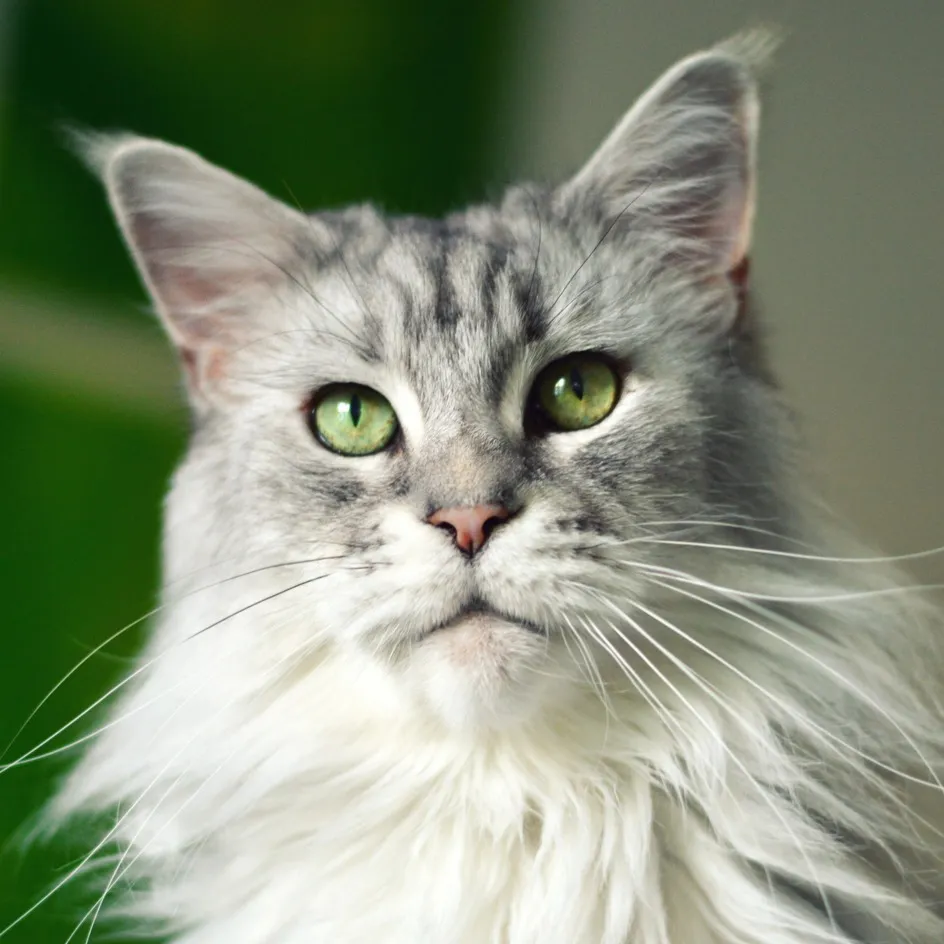
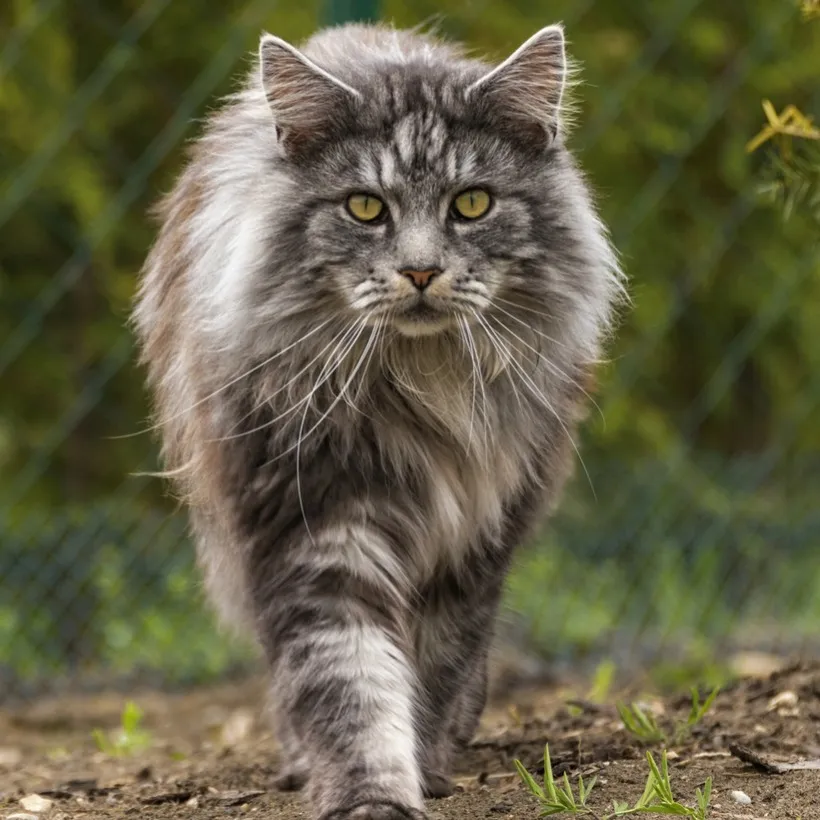
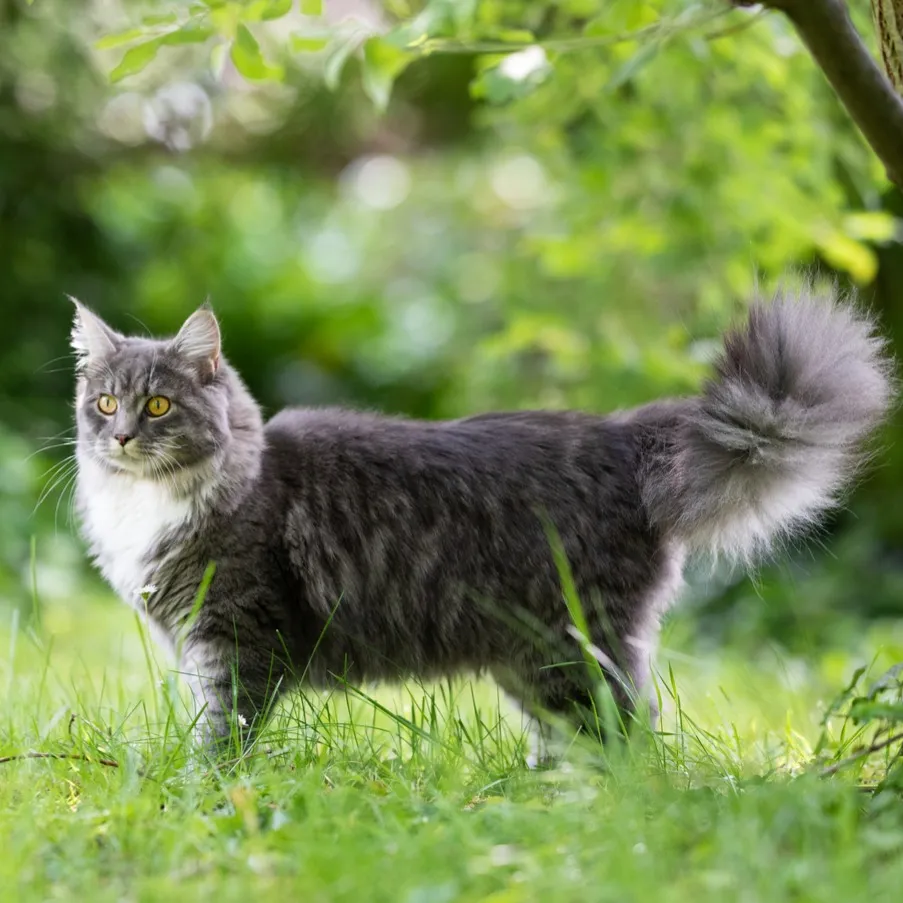
The Maine Coon is a large breed of cat that stands out for its attractive appearance, gregarious nature, and overall health. These cats are noted for being playful and frequently interact with their owners while playing. They are quite sociable and enjoy being around people and other animals. It is the largest domesticated cat breed native to the United States.
Characteristics
Temperament with Kids
Aggressive
Friendly
Playfulness
Silent
Very Playful
Friendliness
Not Friendly
Super Friendly
Shedding amount
Negligible
Frequent
Compatibility with other cats
Not Friendly
Super Friendly
Prey Drive
Low
High
Need for attention
Independent
Very Needy
Monthly Expenses


Lifespan & Price of the Maine Coon in India
Cost of buying
₹ 40,000 - ₹ 1,00,000
- Lifespan: Typically 12–15 years, with some reaching 18 or more. (Purebred Kitties)
- Price: In India, expect to pay between ₹40,000 to ₹100,000 depending on lineage and breeder reputation.
Shop or Adopt a Maine Coon: Make the Right Choice
Bringing a Maine Coon into your home deserves thoughtful consideration. Let's look at some best practices:
Nutrition Care for the Maine Coon
Monthly Food Expenses
₹ 1,500 - ₹ 2,000
Calories per day
Kittens: 400 kcal
Adults: 350 kcal
Essential Nutrients
Protein
Fats
Carbohydrates
Vitamins
Minerals
Amino Acids (Taurine, Arginine, etc.)
Essential Fatty Acids
Fiber
List of foods
Dry kibble
Wet canned food
Chicken (cooked or raw)
Turkey
Salmon
Tuna
Eggs (cooked)
Cottage cheese
Rice (cooked)
Cat-specific multivitamins
Ocicats are energetic and muscular, requiring a diet rich in high-quality animal proteins such as chicken, turkey, fish, or rabbit to support muscle tone and repair. While proteins and fats are paramount, carbohydrates, from sources like pumpkin, brown rice, or sweet potato, can provide sustained energy for their active lifestyles.
Breakdown of Macro-nutrients
Selecting Good Quality Food For Miane Coon Cats
Selecting premium foods that offer well-rounded nutrition is crucial when it comes to feeding your Maine Coon cat. Choose brands with actual meat as the primary component and stay away from those that contain fillers, artificial additives, or excessive amounts of carbohydrates. While it is always a good idea to ask your vet for the best advice, the following are a few tried and tested brand options good for Maine Coon cats in India.
Never feed these foods to Maine Coon
Avoid anything with these ingredients
Moldy or Spoiled Food
Artificial Sweeteners
Xylitol
Bones
Raw Eggs
Onions and Garlic
High-Fat Foods
Artificial Additives
High Salt Foods
You should never feed your Maine Coon cat any item that isn't made especially for cats because it may contain harmful ingredients and risk their health. Furthermore, avoid giving them human food or cat table scraps, as this may disrupt their digestive system and nutritional balance. In terms of ingredients, stay away from foods that are high in fat and salt, as well as moldy or spoiled foods, as they can cause poisoning and stomach problems. Dog food is inappropriate since it doesn't include the essential nutrients. Avoid foods that contain artificial additives, preservatives, and harmful plants that could harm your cat's health, according to PetMD.


Health Profile on Maine Coon Cat
Avg Monthly Expenses
₹ 500 - ₹ 700
Common Health Issues
Upper Respiratory Infections
Urinary Tract Infections (UTI)
Heartworm Disease
Dental Problems
Obesity
Polycystic Kidney Disease
Gastrointestinal Issues
Hypertrophic Cardiomyopathy (HCM)
Activities
Lounging
Sunbathing
Interactive Feeders
Social Interaction
Grooming
Climbing
Exploring
Play with Toys
Energy Level
High
Exercise routine
30 - 60 minutes
Recognising Stress
Increased vocalization
Hiding
Decreased appetite
Overgrooming
Restlessness
Changes in appetite
Lethargy
Changes in litter box behavior
Common Health Concerns in Maine Coon
While Ocicats are generally robust, they may be prone to certain hereditary or lifestyle-related conditions:
Vaccination details
Growth Stage
Core Vaccines
6-8 weeks
Feline Herpesvirus-1 (FHV-1), Feline Calicivirus (FCV), Feline Panleukopenia Virus (FPV)
12-14 weeks
Feline Herpesvirus-1 (FHV-1) booster, Feline Calicivirus (FCV) booster,Feline Panleukopenia Virus (FPV) booster
16-20 weeks
Rabies vaccination
Grooming Routine for the Maine Coon
Avg Monthly Expenses
₹ 800 - ₹ 1,500
Shedding Level
Moderate Shedding
Hygienic Checklist
Nail Trimming
Ear cleaning
Bathing
Teeth care
Eye care
Fur trimming
Litter Box
Benefits of Grooming
Cleanliness
Low Shedding
Odourless
Prevents Bad Breath
Prevents infections
Their plush double coat demands regular upkeep—especially during seasonal shedding, according to PetCareRx.


Written by
Happy Pet TeamAuthor
Team Happy Pet is a passionate collective of pet experts, enthusiasts, and advocates dedicated to sharing trusted and insightful content.
Our cont
Frequently Asked Questions
What distinguishes Maine Coon cats?
The striking appearance, bushy tails, and tufted ears of Maine Coon cats are well-known features. They are among the oldest domestic cat breeds in the United States as well.
Are there any particular exercise requirements for Maine Coon cats?
To stay active and healthy, Maine Coon cats need frequent activity, such as interactive play, access to cat trees, and scratching posts.
Do Maine Coon cats get along well with kids and other animals?
Yes, Maine Coon cats are popularly renowned for being social and amiable, making them ideal as companions for both kids and other animals.