Home
/
Cat Breeds
/
Japanese Bobtail
Japanese Bobtail
Origin
Japan
Size
Medium Breed
Ideal Space
Apartment
Ideal Weather
15º-25ºC
Life Expectancy
9-15 years
Cost of buying
₹ 70,000 - ₹ 1,10,000
Top 5 Traits
Playful
Friendly
Affectionate
Gentle
Independent
Avg Monthly Expenses
₹ 2,800 - ₹ 4,200

by Happy Pet TeamUpdated on 3 Sept 2025
All You Need to Know About The Japanese Bobtail
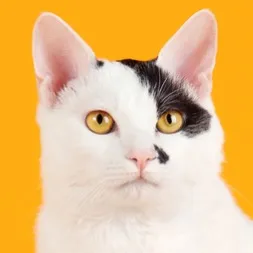
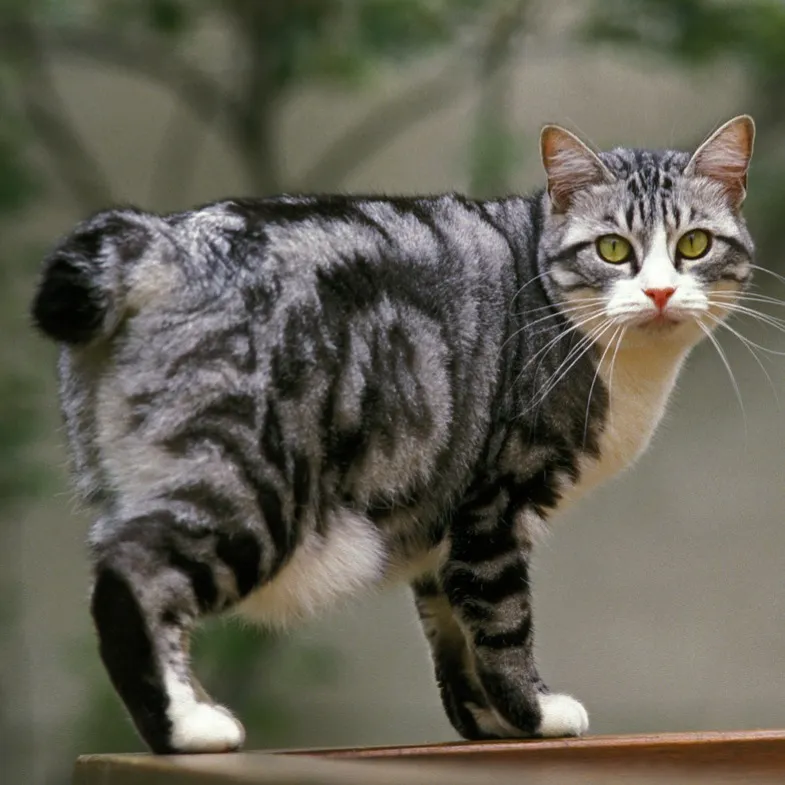
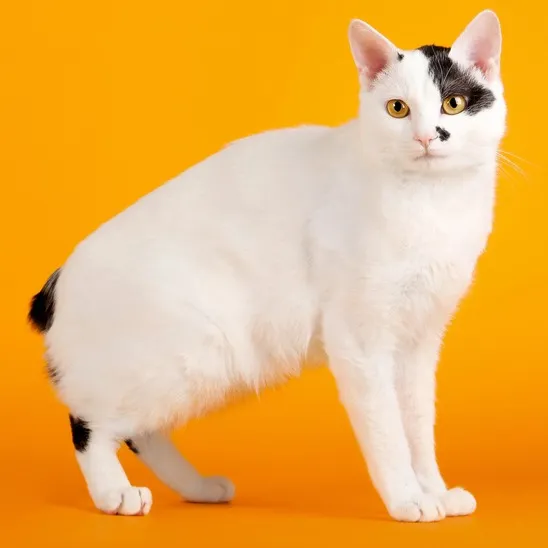
The Japanese Bobtail is a charming, medium-sized cat breed, easily recognized by its unique bobbed tail that resembles a rabbit's pom-pom. Renowned in Japanese folklore and art for centuries, this breed has long been associated with good luck and prosperity, according to Wikipedia.
Characteristics
Temperament with Kids
Aggressive
Friendly
Playfulness
Silent
Very Playful
Friendliness
Not Friendly
Super Friendly
Shedding amount
Negligible
Frequent
Compatibility with other cats
Not Friendly
Super Friendly
Prey Drive
Low
High
Need for attention
Independent
Very Needy
Monthly Expenses


Lifespan & Price of the Japanese Bobtail in India
Cost of buying
₹ 70,000 - ₹ 1,10,000
- Lifespan: Japanese Bobtails typically live 9–15 years, with many reaching 15–18 years with proper care, according to the Daily Paws.
- Price: In India, this rare breed is known to sell for roughly ₹70,000–₹110,000 depending on breeder, lineage, and availability
Shop or Adopt a Japanese Bobtail: The Choice is Yours
Bringing a Japanese Bobtail into your home is an exciting decision that requires careful planning. Here are some best practices to guide you:
Nutrition Care for the Japanese Bobtail
Monthly Food Expenses
₹ 1,500 - ₹ 2,000
Calories per day
Kittens: 250 kcal
Adults: 300 kcal
Essential Nutrients
Protein
Fats
Carbohydrates
Vitamins
Minerals
Amino Acids (Taurine, Arginine, etc.)
Essential Fatty Acids
Fiber
List of foods
Dry kibble
Wet canned food
Chicken (cooked or raw)
Turkey
Mackerel
Eggs (cooked)
Pumpkin
Plain yogurt (no added sugar)
Japanese Bobtails are agile, active, and playful cats; their diet should support their high energy levels and lean physique:
Breakdown of Macro-nutrients
Selecting Good Quality Food For Japanese Bobtail Cats
Choose premium cat food with real meat, such as chicken, turkey, or fish, listed as the first ingredient. Avoid generic fillers, excessive grains, artificial additives, or plant-based proteins, which provide less nutritional benefit for obligate carnivores, according to The Cat Fanciers’ Association (CFA).
Never feed these foods to Japanese Bobtail Cats
Avoid anything with these ingredients
Grapes and Raisins
Xylitol
High Salt Foods
Onions and Garlic
Caffeine
Chocolate
Alcohol
Bones
Raw Eggs
While Japanese Bobtails are generally healthy and active, certain foods can pose serious health risks and should be strictly avoided:


Health Care Guide for Japanese Bobtail Cat
Avg Monthly Expenses
₹ 500 - ₹ 700
Common Health Issues
Upper Respiratory Infections
Dental Problems
Obesity
Hyperthyroidism
Feline Leukemia Virus (FeLV)
Skin Allergies
Urinary Tract Infections (UTI)
Gastrointestinal Issues
Activities
Play with Toys
Chasing Objects
Exploring
Climbing
Interactive Playtime
Energy Level
High
Exercise routine
30 - 60 minutes
Recognising Stress
Hiding
Increased vocalization
Decreased appetite
Overgrooming
Changes in litter box behavior
Common Health Concerns for the Japanese Bobtail
Japanese Bobtails are typically robust with few breed-specific issues, but it’s still important to be aware of potential risks:
Vaccination details
Growth Stage
Core Vaccines
6-8 Weeks
FVRCP (Feline Viral Rhinotracheitis, Calicivirus, Panleukopenia).
10-12 Weeks
FVRCP (Booster).
14-16 Weeks
FVRCP (Booster), Rabies.
Annually
FVRCP, Rabies (as required by law).
Every 3 years
Rabies (if required by law)
Grooming Routine for the Japanese Bobtail
Avg Monthly Expenses
₹ 800 - ₹ 1,500
Shedding Level
Moderate Shedding
Hygienic Checklist
Grooming (for some breeds)
Health Observation
Nail Trimming
Play and Exercise
Ear cleaning
Teeth care
Benefits of Grooming
Cleanliness
Low Shedding
Prevents infections
Quality of life
Odourless
Japanese Bobtails come in either short or long coat varieties (both single-coated) that are easy to care for:


Written by
Happy Pet TeamAuthor
Team Happy Pet is a passionate collective of pet experts, enthusiasts, and advocates dedicated to sharing trusted and insightful content.
Our cont
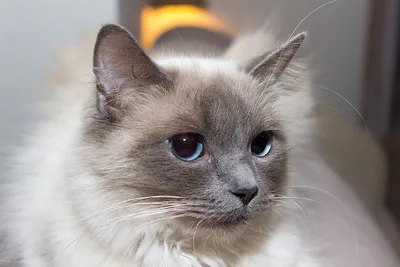
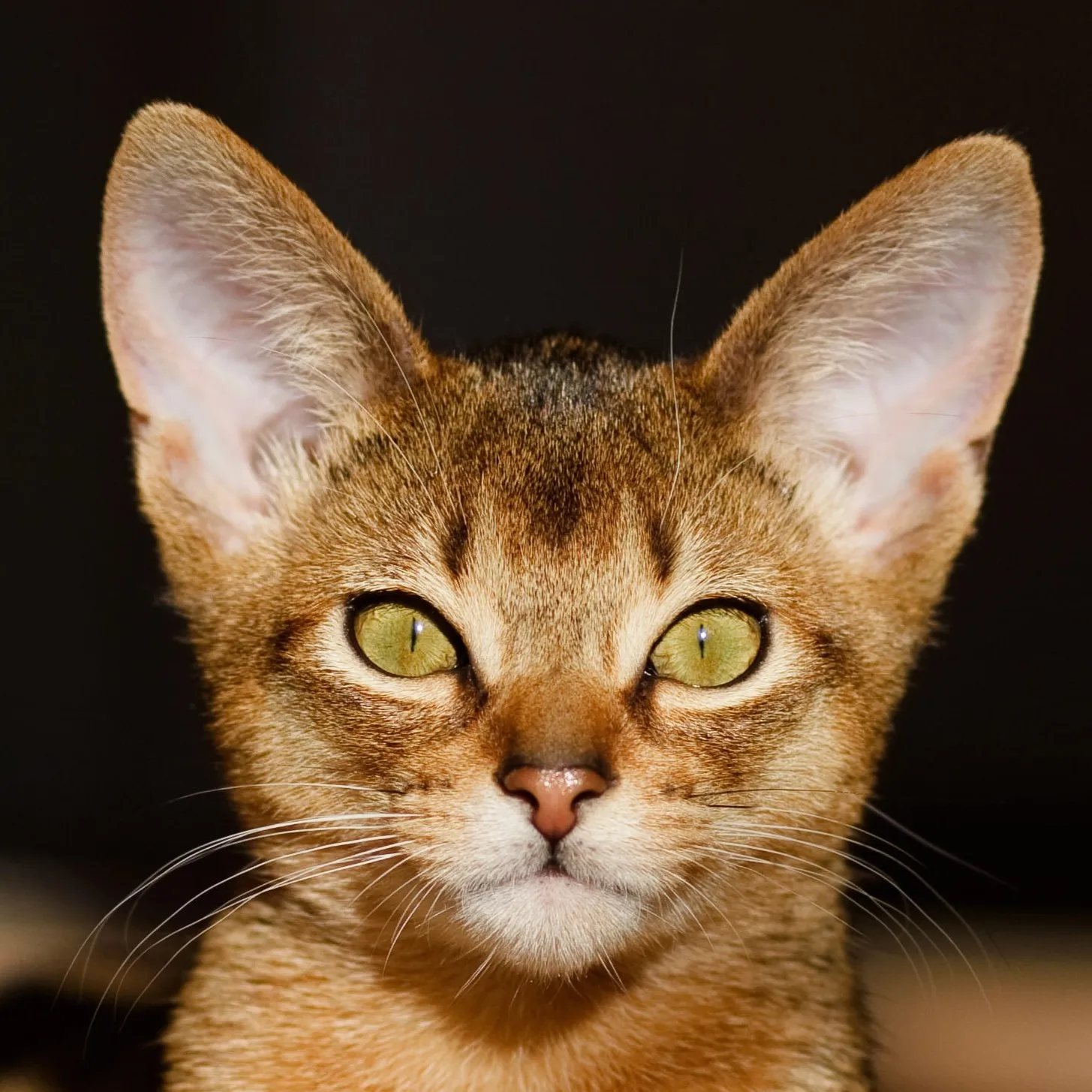
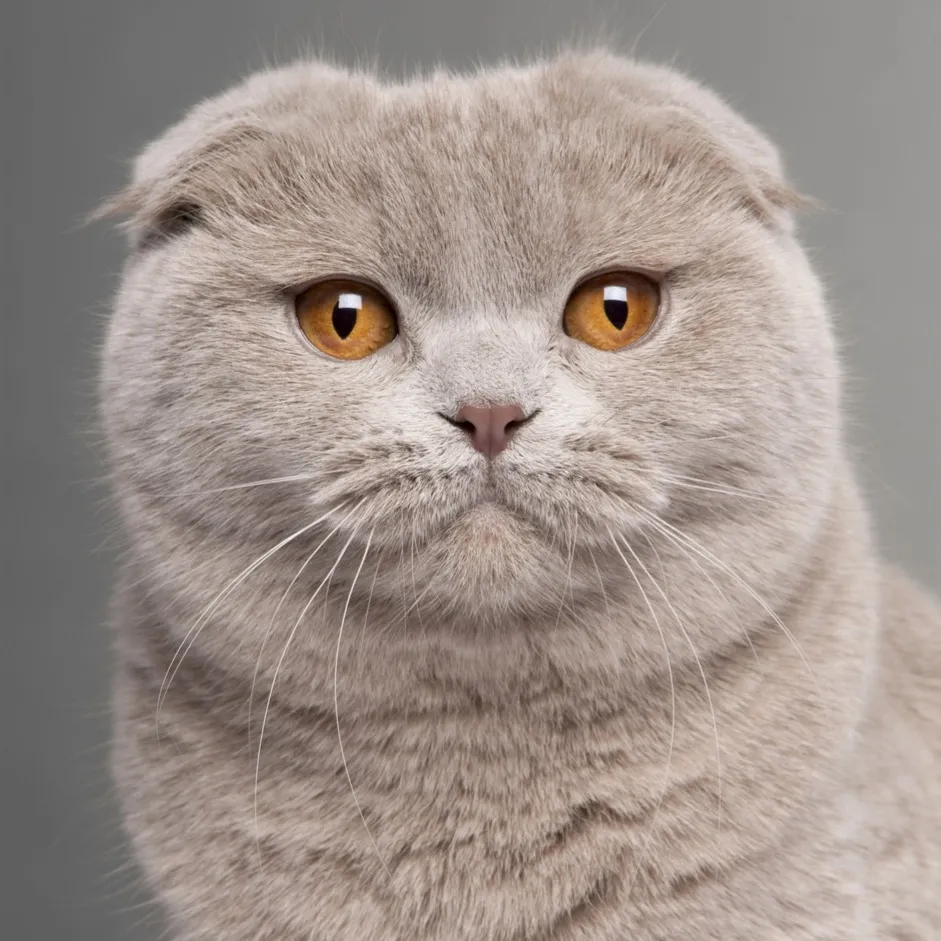
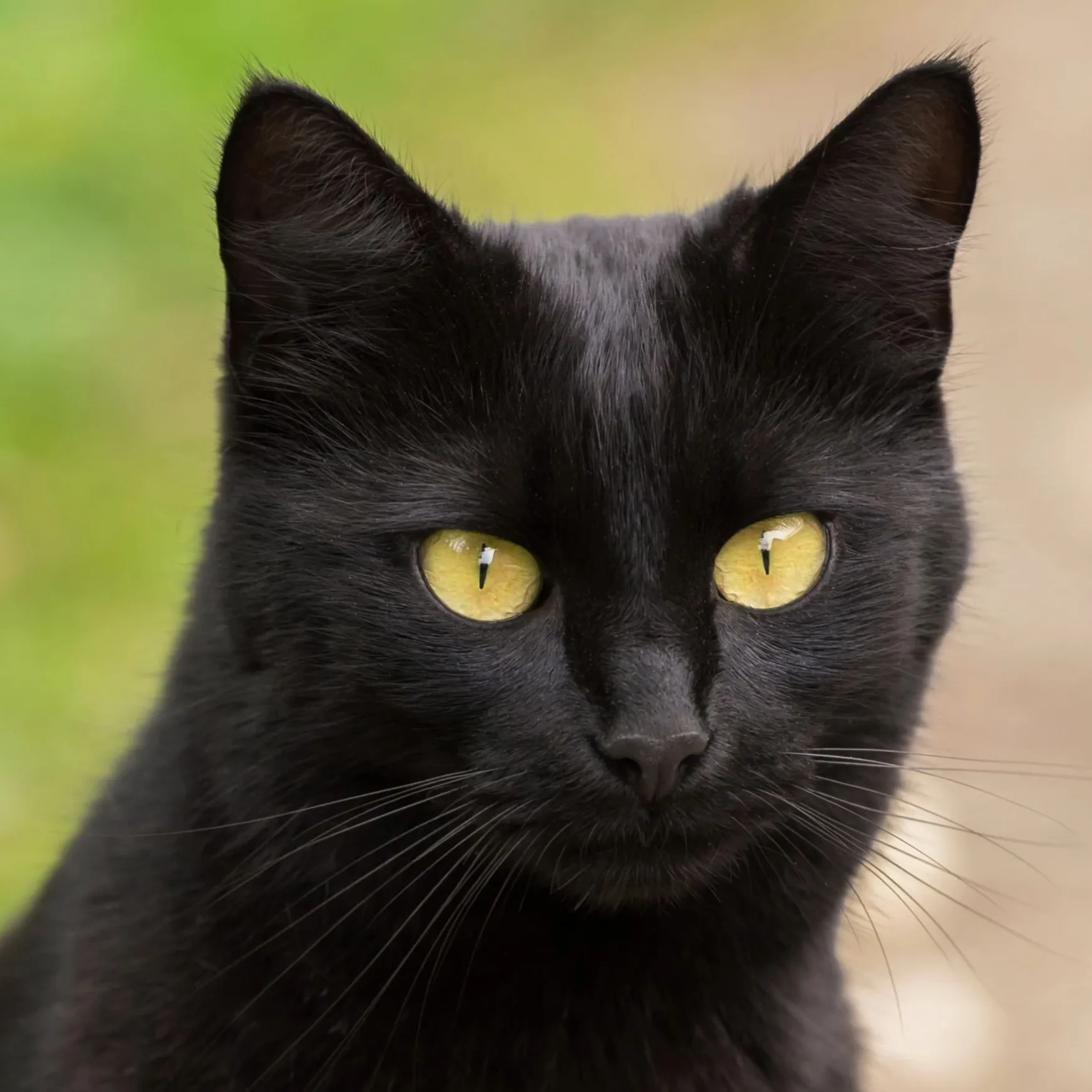
Compare with similar breeds
Frequently Asked Questions
Do Japanese Bobtails shed a lot?
Japanese Bobtails have moderate shedding. Regular grooming can help manage and reduce loose hairs around the home.
Are Japanese Bobtails easy to train?
Yes, Japanese Bobtails are intelligent and can be trained to follow basic commands and use a litter box. They enjoy interactive play and can learn tricks with patience and positive reinforcement.
What health issues are common in Japanese Bobtails?
Common health issues in Japanese Bobtails include dental problems, obesity, upper respiratory infections, gastrointestinal issues, urinary tract infections, skin allergies, hyperthyroidism, and Feline Leukemia Virus (FeLV).