Home
/
Cat Breeds
/
Highlander
Highlander
Origin
United States
Size
Large Breed
Ideal Space
Apartment
Ideal Weather
15º-25ºC
Life Expectancy
12-15 years
Cost of buying
₹ 80,000 - ₹ 2,00,000
Top 5 Traits
Playful
Friendly
Curious
Affectionate
Active
Avg Monthly Expenses
₹ 2,800 - ₹ 4,200

by Happy Pet TeamUpdated on 17 Aug 2025
Meet the Highlander Cat: A Wild Look with a Gentle Heart
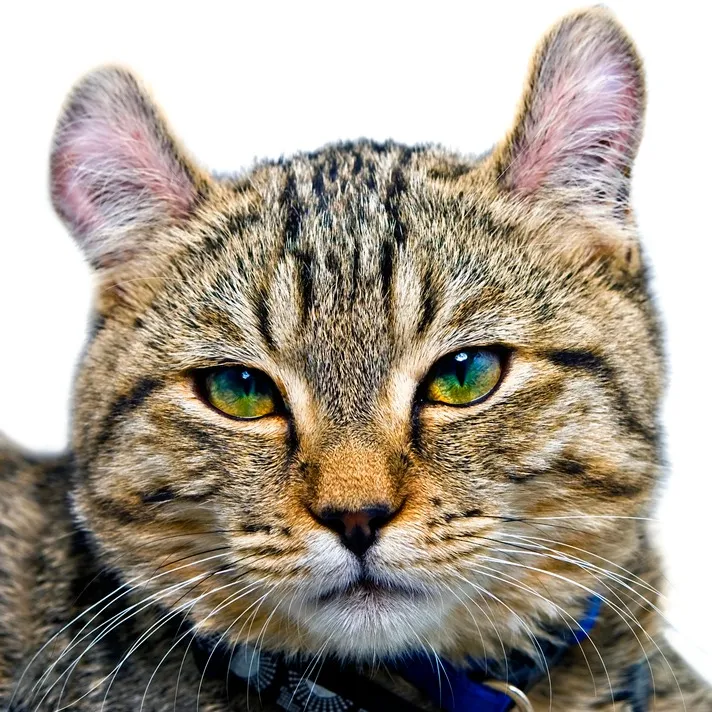
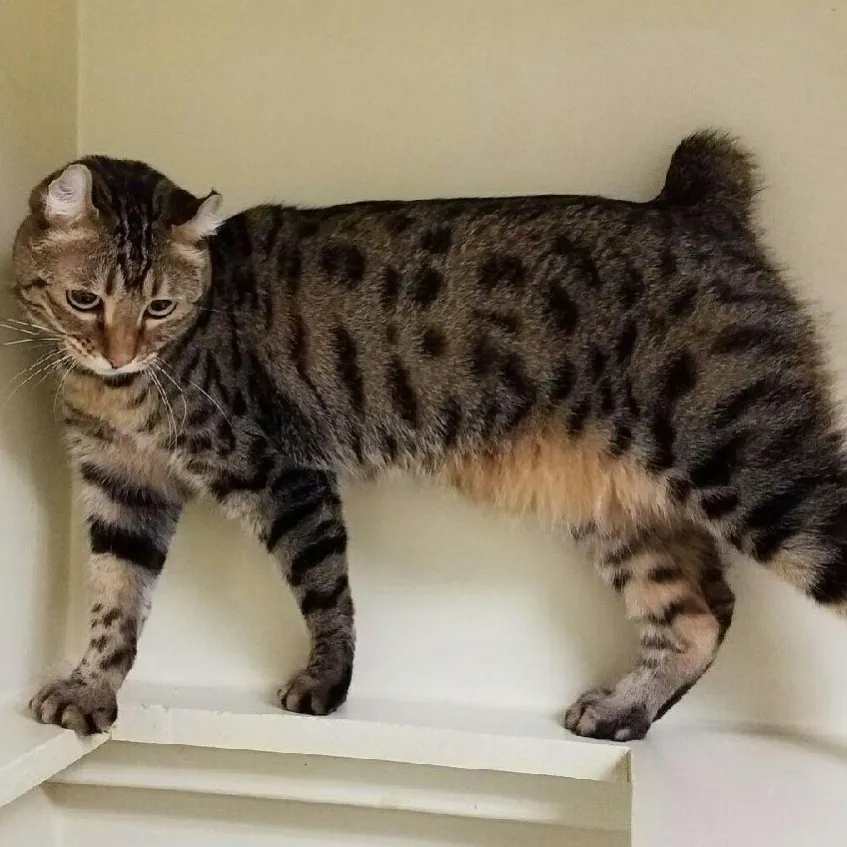
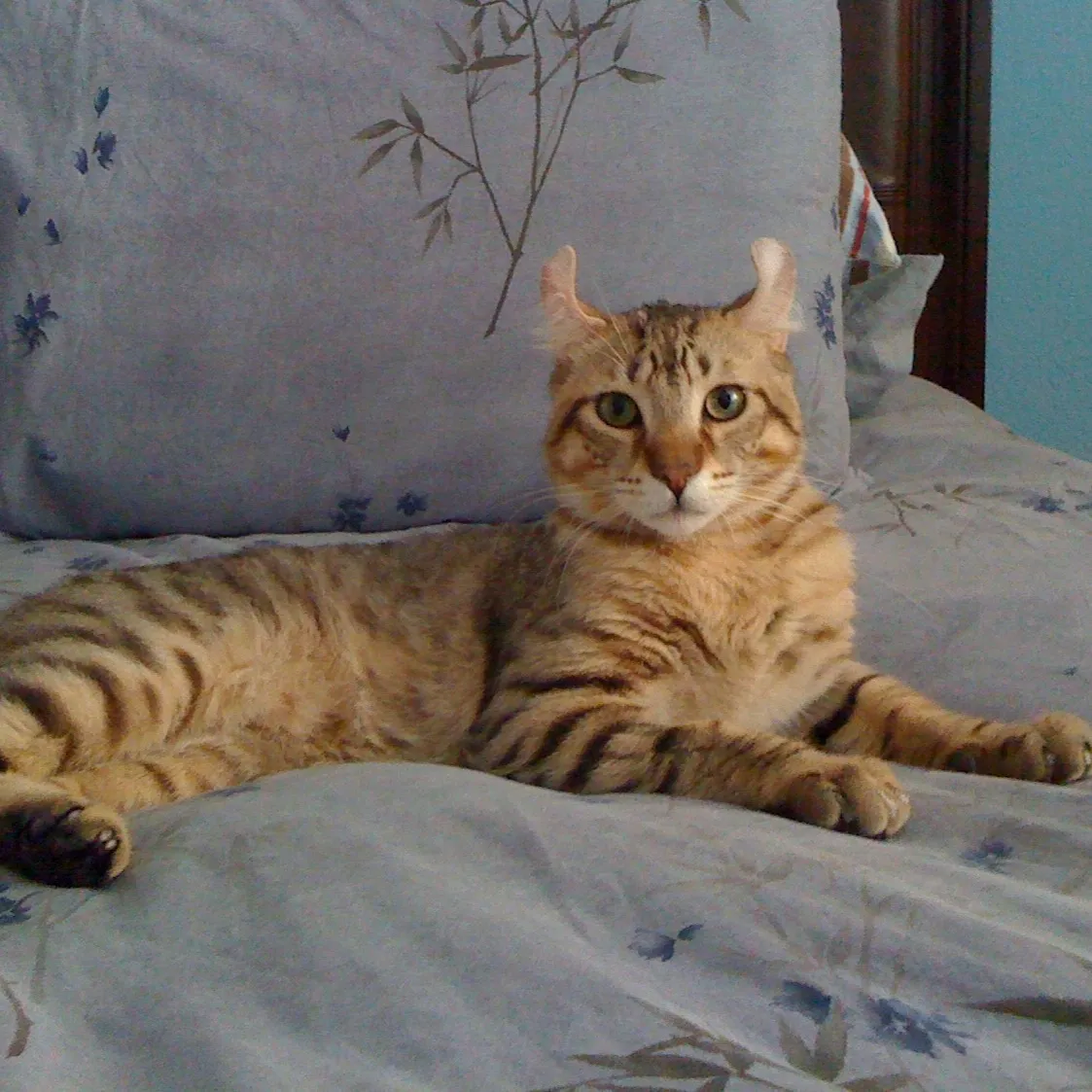
If you’ve ever wanted a cat that looks like it walked straight out of the jungle but behaves like a cuddly companion, the Highlander cat might be the one. This rare breed came into existence in the early 2000s in the U.S., when breeders mixed the Desert Lynx and the Jungle Curl to get a domestic cat with wild looks and a family-friendly personality. As Petfinder explains, the Highlander quickly stood out for its curled ears, bobbed tail, and muscular build.
Characteristics
Temperament with Kids
Aggressive
Friendly
Playfulness
Silent
Very Playful
Friendliness
Not Friendly
Super Friendly
Shedding amount
Negligible
Frequent
Compatibility with other cats
Not Friendly
Super Friendly
Prey Drive
Low
High
Need for attention
Independent
Very Needy
Monthly Expenses


Lifespan & Price of the Highlander Cat in India
Cost of buying
₹ 80,000 - ₹ 2,00,000
Lifespan: The Highlander is generally a healthy, robust breed with a lifespan of 10–15 years when given proper nutrition, regular veterinary care, and plenty of exercise.
Buying or Adopting a Highlander Cat in India
Bringing a Highlander into your home in India isn’t as simple as visiting your local breeder. This cat is a rare sight in the country, and most Highlanders are either imported or found through very select international contacts. That makes doing your homework even more important before you commit.
Nutrition Care for the Highlander Cat
Monthly Food Expenses
₹ 1,500 - ₹ 2,000
Calories per day
Kittens: 300 kcal
Adults: 400 kcal
Essential Nutrients
Protein
Fats
Carbohydrates
Vitamins
Minerals
Amino Acids (Taurine, Arginine, etc.)
Essential Fatty Acids
Fiber
List of foods
Dry kibble
Turkey
Lamb
Chicken (cooked or raw)
Beef (in moderation)
Salmon
Eggs (cooked)
Wet canned food
The Highlander cat may look like it belongs in the wild, but its diet is all about balance and good-quality ingredients. With their athletic build and high energy levels, Highlanders need food that fuels their playful lifestyle while keeping them lean and healthy. In India, where many cat parents still rely on commercial kibble, it’s important to make mindful choices that match this breed’s active nature.
Breakdown of Macro-nutrients
Choosing the Right Food for a Highlander Cat
Go for Meat-First, Premium Diets
Never feed these foods to Highlander
Avoid anything with these ingredients
Onions and Garlic
Caffeine
Chocolate
Bones
Alcohol
Raw Eggs
Dairy (in some cases)
Grapes and Raisins
No matter how adventurous your Highlander’s appetite, some foods are strictly off-limits:


Health
Avg Monthly Expenses
₹ 500 - ₹ 700
Common Health Issues
Hypertrophic Cardiomyopathy (HCM)
Hyperthyroidism
Dental Problems
Obesity
Urinary Tract Infections (UTI)
Skin Allergies
Hairballs
Gastrointestinal Issues
Activities
Play with Toys
Chasing Objects
Exploring
Climbing
Interactive Playtime
Energy Level
High
Exercise routine
30 - 60 minutes
Recognising Stress
Hiding
Increased vocalization
Changes in litter box behavior
Decreased appetite
Overgrooming
Medical Care
Don’t let the Highlander’s wildcat looks fool you—this breed is still a house cat at heart and depends on consistent care to stay healthy. In India, where summers can be scorching and winters vary drastically across regions, tailoring their healthcare routine to the climate is just as important as regular vet visits.
Vaccination details
Growth Stage
Core Vaccines
6-8 Weeks
Feline Viral Rhinotracheitis (FVR), Calicivirus (FCV), Panleukopenia (FPV) (FVRCP).
10-12 Weeks
FVRCP 2nd dose, Rabies.
14-16 Weeks
FVRCP 3rd dose, Rabies.
Adult Weeks
FVRCP, Rabies.
Annually
FVRCP, Rabies.
Grooming the Highlander Cat
Avg Monthly Expenses
₹ 800 - ₹ 1,500
Shedding Level
Moderate Shedding
Hygienic Checklist
Grooming (for some breeds)
Nail Trimming
Litter Box
Health Observation
Teeth care
Bathing
Benefits of Grooming
Cleanliness
Low Shedding
Odourless
Prevents Bad Breath
Prevents infections
Quality of life
Highlanders may look wild and rugged, but when it comes to grooming, they’re surprisingly easy-going. Their short to medium coats don’t demand much upkeep, but a little regular care keeps them comfortable—especially in India’s varied climate.


Written by
Happy Pet TeamAuthor
Team Happy Pet is a passionate collective of pet experts, enthusiasts, and advocates dedicated to sharing trusted and insightful content.
Our cont
Frequently Asked Questions
Are Highlander cats vocal?
Highlanders can be quite vocal, especially when they want attention or are interacting with their owners. They are known for their expressive and communicative nature.
What makes the Highlander breed unique?
The Highlander is known for its distinctive physical appearance, including tufted ears, a strong muscular build, and a wild look. Combined with their playful and affectionate personality, these traits make them a unique and appealing breed.
Do Highlander cats have any specific health concerns?
While generally healthy, Highlanders can be prone to certain health issues like obesity, dental problems, and hypertrophic cardiomyopathy (HCM). Regular veterinary check-ups are recommended.