
Home
/
Cat Breeds
/
German Rex
German Rex
Origin
Germany
Size
Medium Breed
Ideal Space
Apartment
Ideal Weather
18º-24ºC
Life Expectancy
12-15 years
Cost of buying
₹ 25,000 - ₹ 50,000
Top 5 Traits
Playful
Energetic
Affectionate
Curious
Friendly
Avg Monthly Expenses
₹ 2,800 - ₹ 4,200
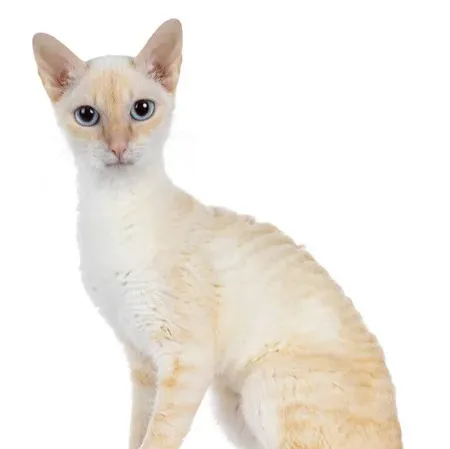

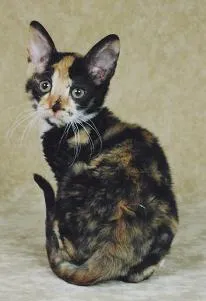
Know All About the German Rex
The German Rex is a charming and rare curly-coated cat breed from Germany, known for its soft, velvety fur and lively personality. Their coat, unlike most cats, has a delicate wave or curl caused by a natural genetic mutation, giving them a plush, lamb-like appearance. First appearing in the 1950s in East Germany, the breed was developed by pairing the original curly-coated cat, Lämmchen (“little lamb” in German), with other domestic cats to preserve the trait while ensuring a healthy, diverse gene pool.
Characteristics
Temperament with Kids
Aggressive
Friendly
Playfulness
Silent
Very Playful
Friendliness
Not Friendly
Super Friendly
Shedding amount
Negligible
Frequent
Compatibility with other cats
Not Friendly
Super Friendly
Prey Drive
Low
High
Need for attention
Independent
Very Needy
Monthly Expenses


German Rex’s Lifespan and Price
Cost of buying
₹ 25,000 - ₹ 50,000
German Rex cats are rare outside Europe. In India, they may need to be imported from a reputable breeder, costing anywhere between ₹25,000–₹50,000 depending on pedigree and availability.
Shop or Adopt a German Rex: Make the Right Choice!
Given their rarity, German Rex cats are often purchased from specialist breeders. If you are lucky, you might be able to find a German Rex in a shelter. Choosing to give them a new lease of life is a noble step. However,
Nutrition Care for the German Rex
Monthly Food Expenses
₹ 1,500 - ₹ 2,000
Calories per day
Kittens: 300 kcal
Adults: 250 kcal
Essential Nutrients
Protein
Fats
Carbohydrates
Vitamins
Minerals
Amino Acids (Taurine, Arginine, etc.)
Essential Fatty Acids
Fiber
List of foods
Dry kibble
Wet canned food
Chicken (cooked or raw)
Salmon
Tuna
Eggs (cooked)
Turkey
Pumpkin
Because of their active and playful nature, German Rex cats benefit from a diet rich in high-quality animal protein to support muscle tone and energy levels.
Breakdown of Macro-nutrients
Best Foods for German Rex Cats
A well-balanced diet, rich in high-quality protein and essential fats, is fundamental to supporting the German Rex's active lifestyle and maintaining coat health. Commercial cat foods, both wet and dry, can provide a complete nutritional profile when carefully selected. Dry kibble should prioritize protein sources such as chicken or fish while minimizing low-value fillers.
Foods to Avoid for German Rex Cats
Avoid anything with these ingredients
Onions and Garlic
Dairy (in some cases)
Grapes and Raisins
Xylitol
Chocolate
Alcohol
Bones
Raw Eggs
Caffeine
German Rex cats, like all felines, require a carefully curated diet for best health and well-being. To prevent potential health complications, it is very important to avoid certain foods.


Health
Avg Monthly Expenses
₹ 500 - ₹ 700
Common Health Issues
Dental Problems
Obesity
Hyperthyroidism
Urinary Tract Infections (UTI)
Progressive Retinal Atrophy
Hypertrophic Cardiomyopathy (HCM)
Kidney Disease
Activities
Play with Toys
Chasing Objects
Exploring
Climbing
Scratching
Interactive Playtime
Energy Level
Medium
Exercise routine
30 - 60 minutes
Recognising Stress
Hiding
Increased vocalization
Decreased appetite
Changes in litter box behavior
Overgrooming
Healthcare for the German Rex
The German Rex is generally healthy but, like all breeds, benefits from preventive care. These cat parents need to keep an eye on:
Vaccination details
Growth Stage
Core Vaccines
6-8 Weeks
Feline Viral Rhinotracheitis (FVR), Calicivirus (FCV), Panleukopenia (FPV) (FVRCP).
10-12 Weeks
Feline Leukemia (FeLV) (optional based on risk).
12-16 Weeks
Rabies.
Adult(1 year)
FVRCP, Rabies, FeLV.
Adult (Annually)
Rabies, FVRCP booster.
How to groom your German Rex cat?
Avg Monthly Expenses
₹ 800 - ₹ 1,500
Shedding Level
Low Shedding
Hygienic Checklist
Health Observation
Grooming (for some breeds)
Nail Trimming
Teeth care
Ear cleaning
Litter Box
Benefits of Grooming
Cleanliness
Low Shedding
Odourless
Prevents infections
Quality of life
Caring for a German Rex’s coat and hygiene is simple and low-maintenance. A gentle brushing once or twice a week is enough to remove loose hairs and keep their soft curls looking their best. Baths are hardly ever needed, only if their coat starts to feel a little greasy.


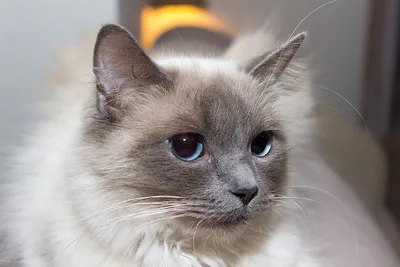
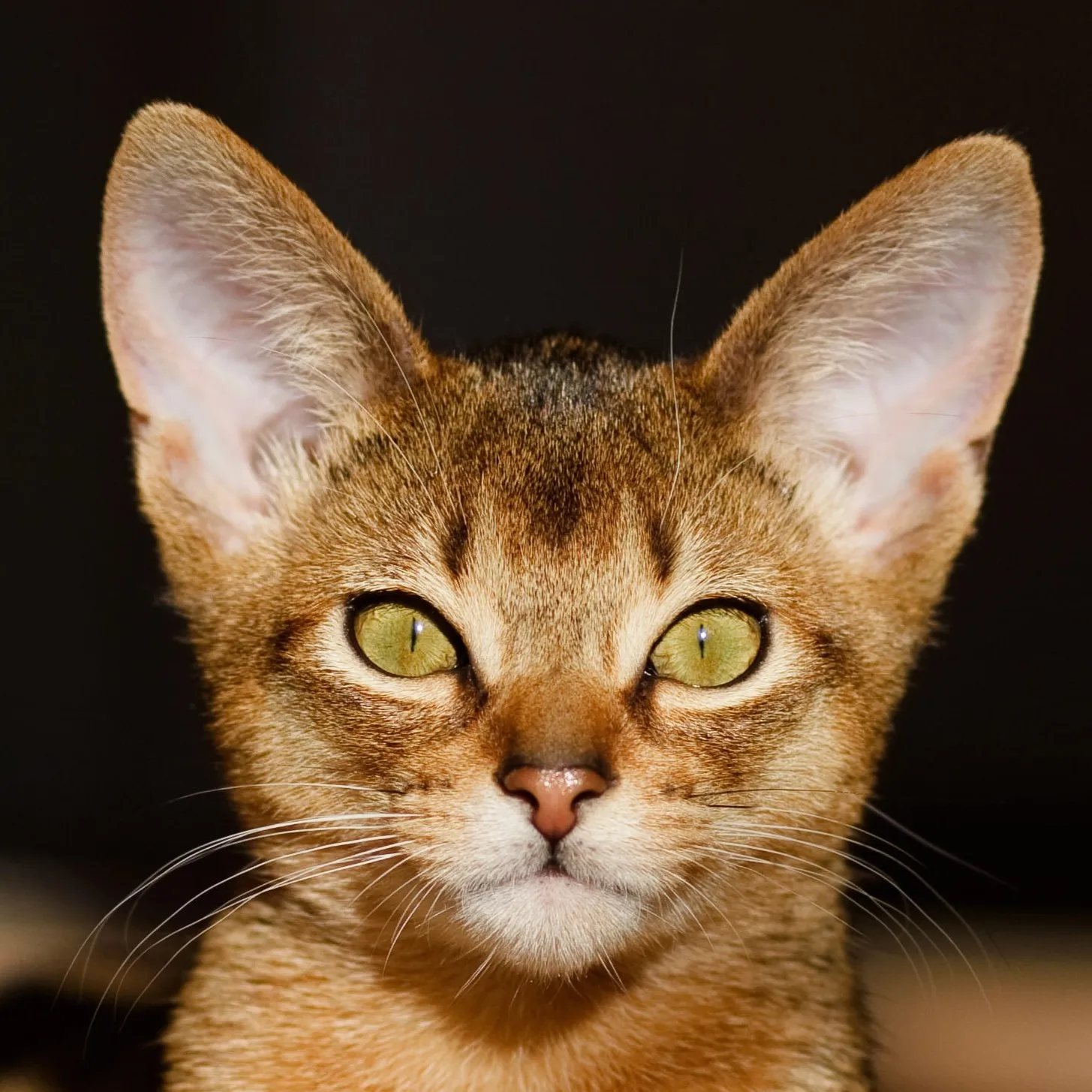
Compare with similar breeds
Frequently Asked Questions
What is the German Rex cat known for?
Its soft, curly coat, playful personality, and affectionate nature.
How much does a German Rex cat cost in India?
Between ₹40,000 and ₹80,000 depending on pedigree and breeder.
Are German Rex cats good with families?
Yes, they are gentle and social, making them great with children and other pets.
Do German Rex cats need a lot of grooming?
Not much—weekly brushing is usually enough.
What should I feed a German Rex cat?
A high-protein, meat-based diet with a mix of wet and dry food for hydration and energy.