Home
/
Cat Breeds
/
European Shorthair
European Shorthair
Origin
Sweden
Size
Medium Breed
Ideal Space
Apartment
Ideal Weather
10º-30ºC
Life Expectancy
12-20 years
Cost of buying
₹ 20,000 - ₹ 40,000
Top 5 Traits
Playful
Curious
Friendly
Independent
Affectionate
Avg Monthly Expenses
₹ 2,800 - ₹ 4,200

by Happy Pet TeamUpdated on 10 Jun 2025
Introduction to the European Shorthair Cat
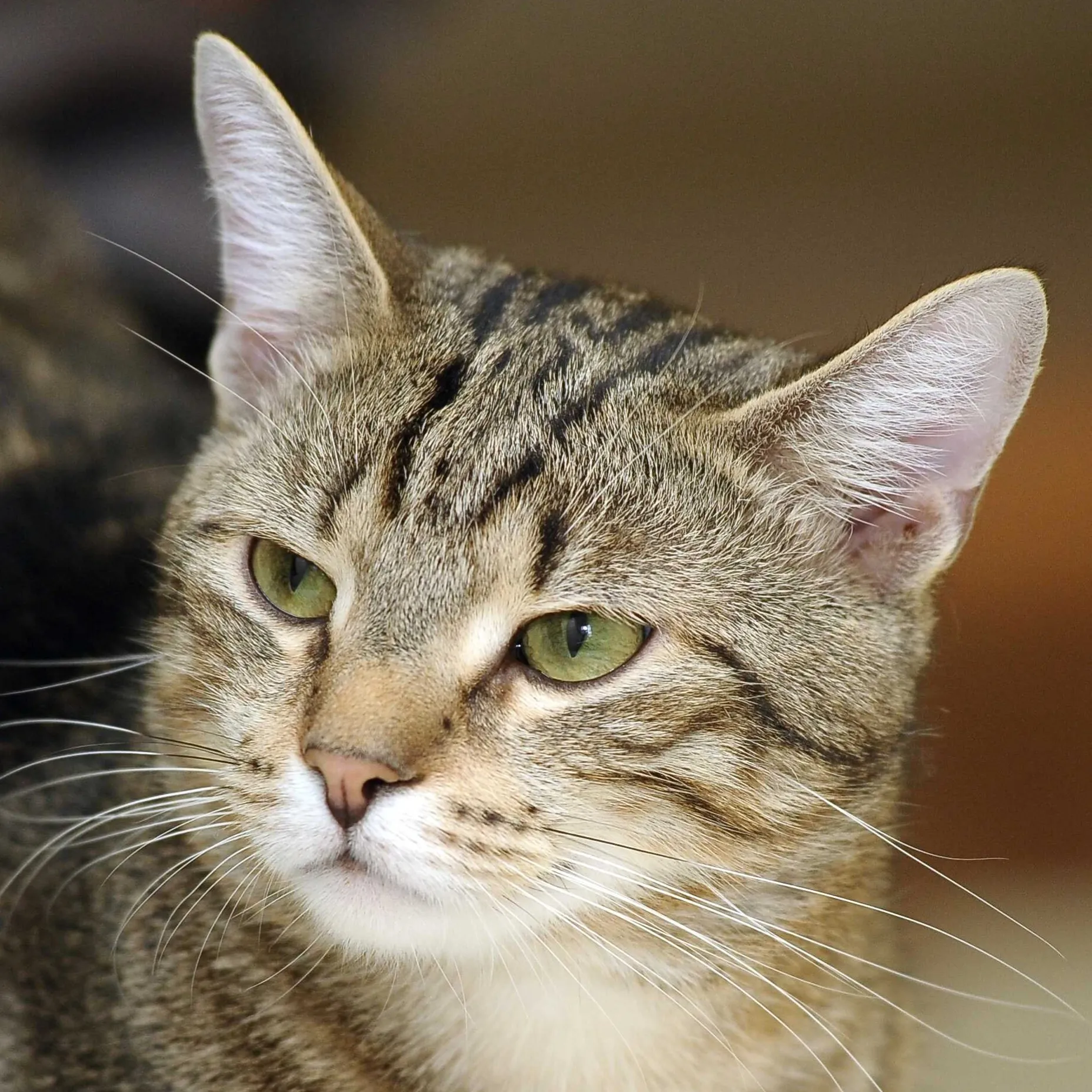
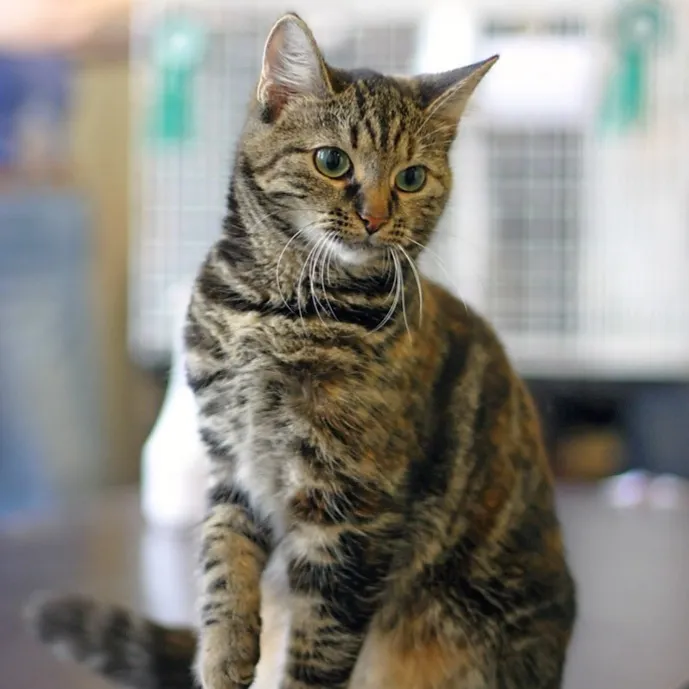
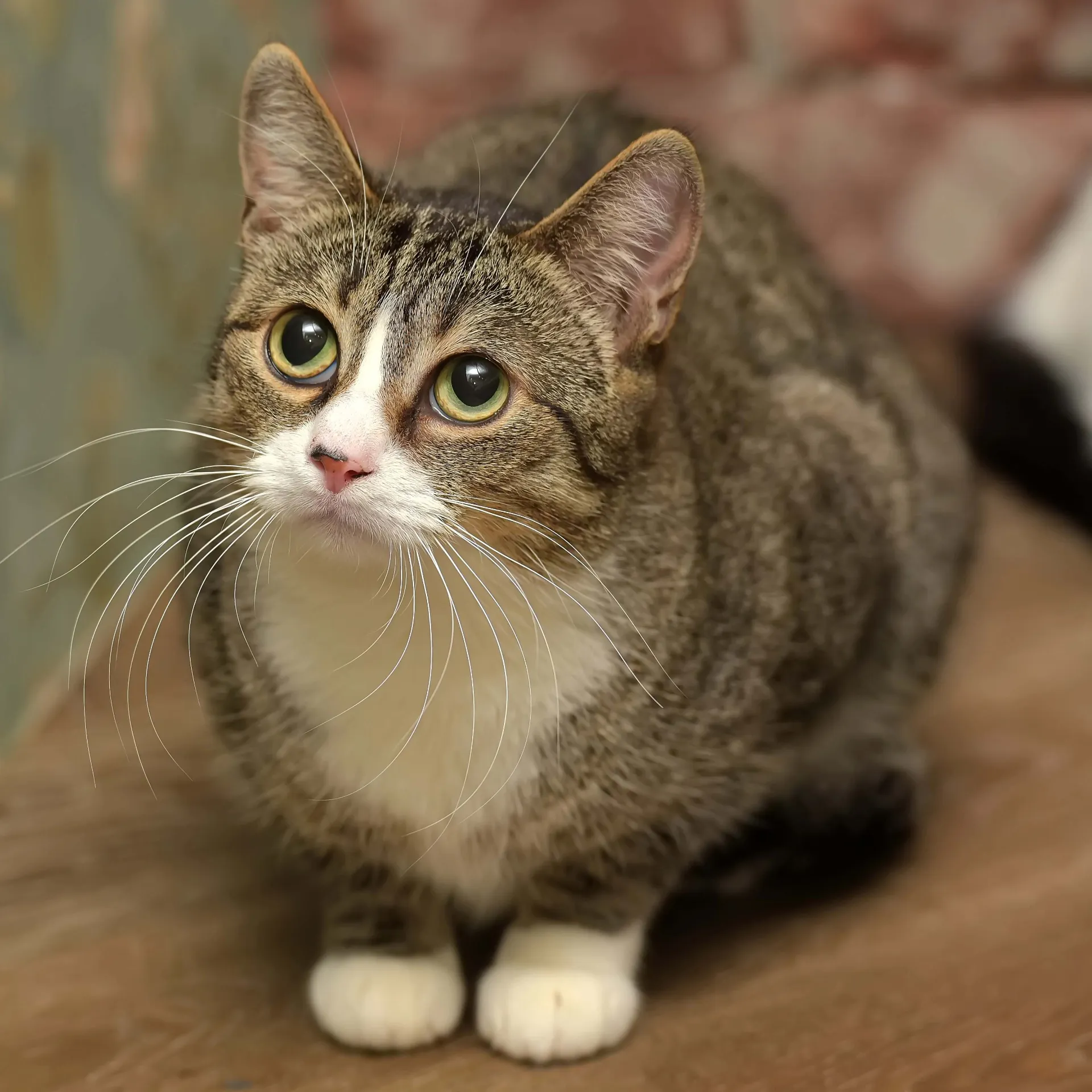
The European Shorthair is an ancient and naturally developed breed of cats found in Europe. About 2,000 years ago, the breed started when Roman traders brought cats from Africa and crossed them with local European wildcats.
Characteristics
Temperament with Kids
Aggressive
Friendly
Playfulness
Silent
Very Playful
Friendliness
Not Friendly
Super Friendly
Shedding amount
Negligible
Frequent
Compatibility with other cats
Not Friendly
Super Friendly
Prey Drive
Low
High
Need for attention
Independent
Very Needy
Monthly Expenses


European Shorthair Price
Cost of buying
₹ 20,000 - ₹ 40,000
Since it is not widely available outside Europe, the price can be higher in some areas. The price is likely to be between ₹20,000 and ₹40,000.
Shop or Adopt a European Shorthair: Choice is Yours!
Responsible shopping will make sure that ethical breeding is taking place, while adopting a European Shorthair will give a loving home to a cat that needs it. Pick based on your ability to keep up with their gentle temperament, grooming needs, and lifespan.
Nutrition Care for the European Shorthair
Monthly Food Expenses
₹ 1,500 - ₹ 2,000
Calories per day
Kittens: 300 kcal
Adults: 250 kcal
Essential Nutrients
Protein
Fats
Carbohydrates
Vitamins
Minerals
Fiber
List of foods
Dry kibble
Wet canned food
Chicken (cooked or raw)
Turkey
Lamb
Salmon
Tuna
- They require high quality protein for the maintenance of muscle.
- Healthy fats support energy levels and a shiny coat.
- Immunity and joint health are strengthened with the help of essential nutrients.
- Taurine is important for heart and vision health.
- Wet food helps in hydration and urinary tract health.
- It is best to avoid low quality foods to prevent obesity and digestion problems.
- A balanced diet of wet food, lean meats and supplements is vital for overall well being.
Breakdown of Macro-nutrients
Best Foods for European Shorthairs
Ideal food options include:
Foods to Avoid for European Shorthairs
Avoid anything with these ingredients
Onions and Garlic
Caffeine
Chocolate
Alcohol
Bones
Raw Eggs
Dairy (in some cases)
Grapes and Raisins
Xylitol
Avoid feeding your cat:


Healthcare Guide for the European Shorthair Cat
Avg Monthly Expenses
₹ 500 - ₹ 700
Common Health Issues
Upper Respiratory Infections
Dental Problems
Obesity
Kidney Disease
Eye Problems
Skin Allergies
Bladder Stones
Feline Immunodeficiency Virus (FIV)
Activities
Chasing Objects
Play with Toys
Exploring
Climbing
Scratching
Energy Level
Medium
Exercise routine
30 - 60 minutes
Recognising Stress
Hiding
Increased vocalization
Decreased appetite
Overgrooming
Changes in litter box behavior
Common Health Problems of European Shorthairs
- Hypertrophic Cardiomyopathy (HCM) – Heart problems are common in a variety of breeds. Frequent visits to the vet and heart screenings can assist in detecting it early.
- Obesity – This is especially common in cats that spend most of their time indoors. A healthy weight is maintained by eating well and playing every day.
- Dental issues – If not looked after properly, it can turn into gingivitis. Caring for your pet’s teeth through brushing and dental treats can help keep their mouth healthier.
- Occasional hip dysplasia – Get your pet checked by a vet once a year and twice a year for senior pets. If health issues are found early, they can be treated more quickly and with better results.
Vaccination details
Growth Stage
Core Vaccines
8-10 Weeks
FVRCP (feline rhinotracheitis, calicivirus, panleukopenia)
12-14 Weeks
Second dose of FVRCP
16-18 Weeks
Rabies
20-22 Weeks
Second dose of rabies
Anually
Boosters for FVRCP and rabies
Grooming Routine for the European Shorthair
Avg Monthly Expenses
₹ 800 - ₹ 1,500
Shedding Level
Low Shedding
Hygienic Checklist
Feeding
Worming (if needed)
Nail Trimming
Fur trimming
Ear cleaning
Benefits of Grooming
Cleanliness
Low Shedding
Prevents Bad Breath
Odourless
Prevents infections
Quality of life
European Shorthairs are low-maintenance in grooming:


Written by
Happy Pet TeamAuthor
Team Happy Pet is a passionate collective of pet experts, enthusiasts, and advocates dedicated to sharing trusted and insightful content.
Our cont
Compare with similar breeds
Frequently Asked Questions
Are European Shorthairs good with children and pets?
Yes, they’re friendly, adaptable, and generally do well in families.
Do they need frequent grooming?
No, their coat is low-maintenance. Weekly brushing is usually enough.
Are they healthy cats?
Yes, they’re among the healthiest cat breeds, with few genetic disorders.
Can they go outdoors?
Yes, they enjoy the outdoors but should be in safe, enclosed spaces.