
Home
/
Cat Breeds
/
Cyprus
Cyprus
Origin
Cyprus
Size
Medium Breed
Ideal Space
Apartment
Ideal Weather
15º-25ºC
Life Expectancy
12-15 years
Cost of buying
₹ 50,000 - ₹ 1,20,000
Top 5 Traits
Playful
Curious
Friendly
Affectionate
Active
Avg Monthly Expenses
₹ 2,800 - ₹ 4,200

by Happy Pet TeamUpdated on 3 Sept 2025
Know All About the Cyprus Cat: The Island Treasure in Indian Homes
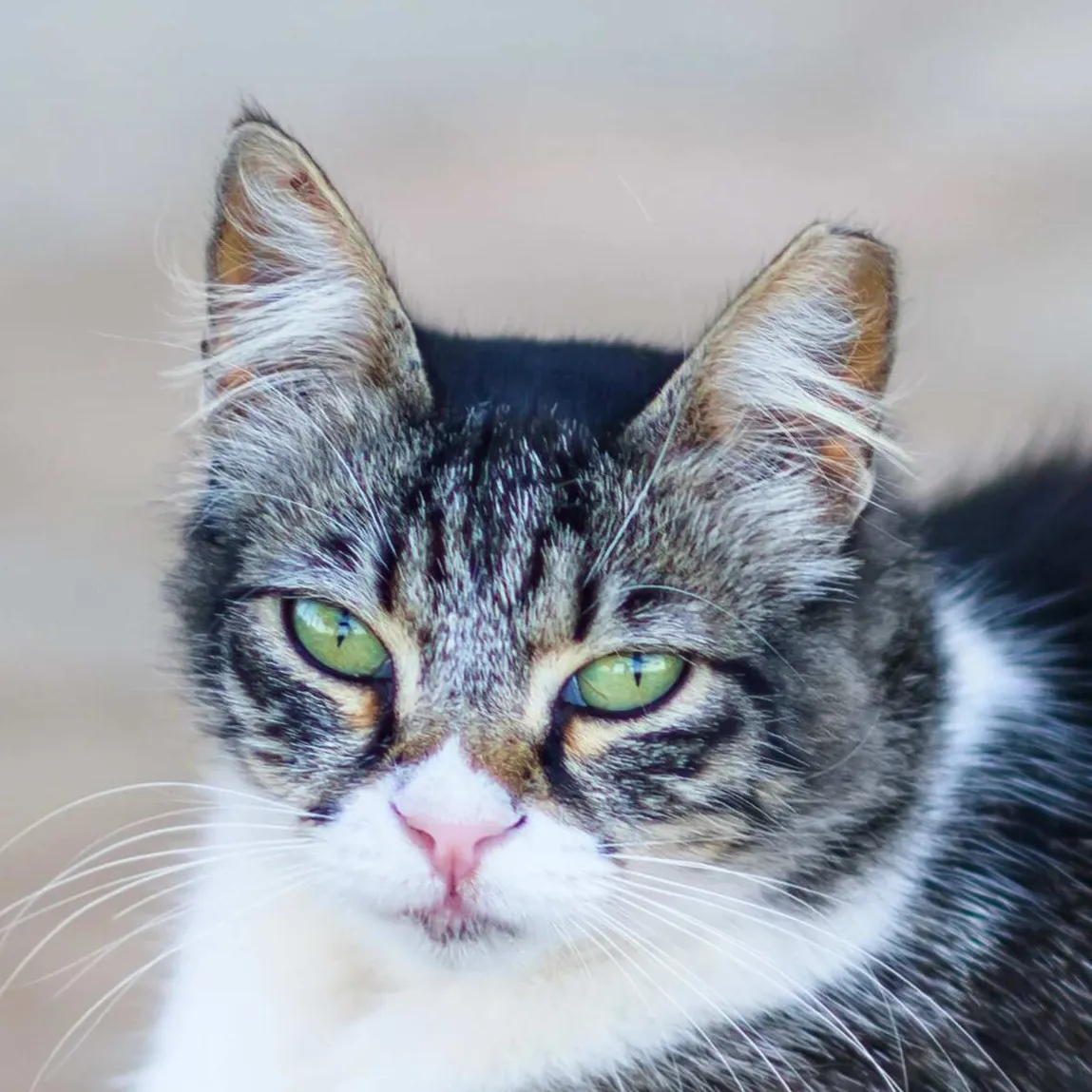
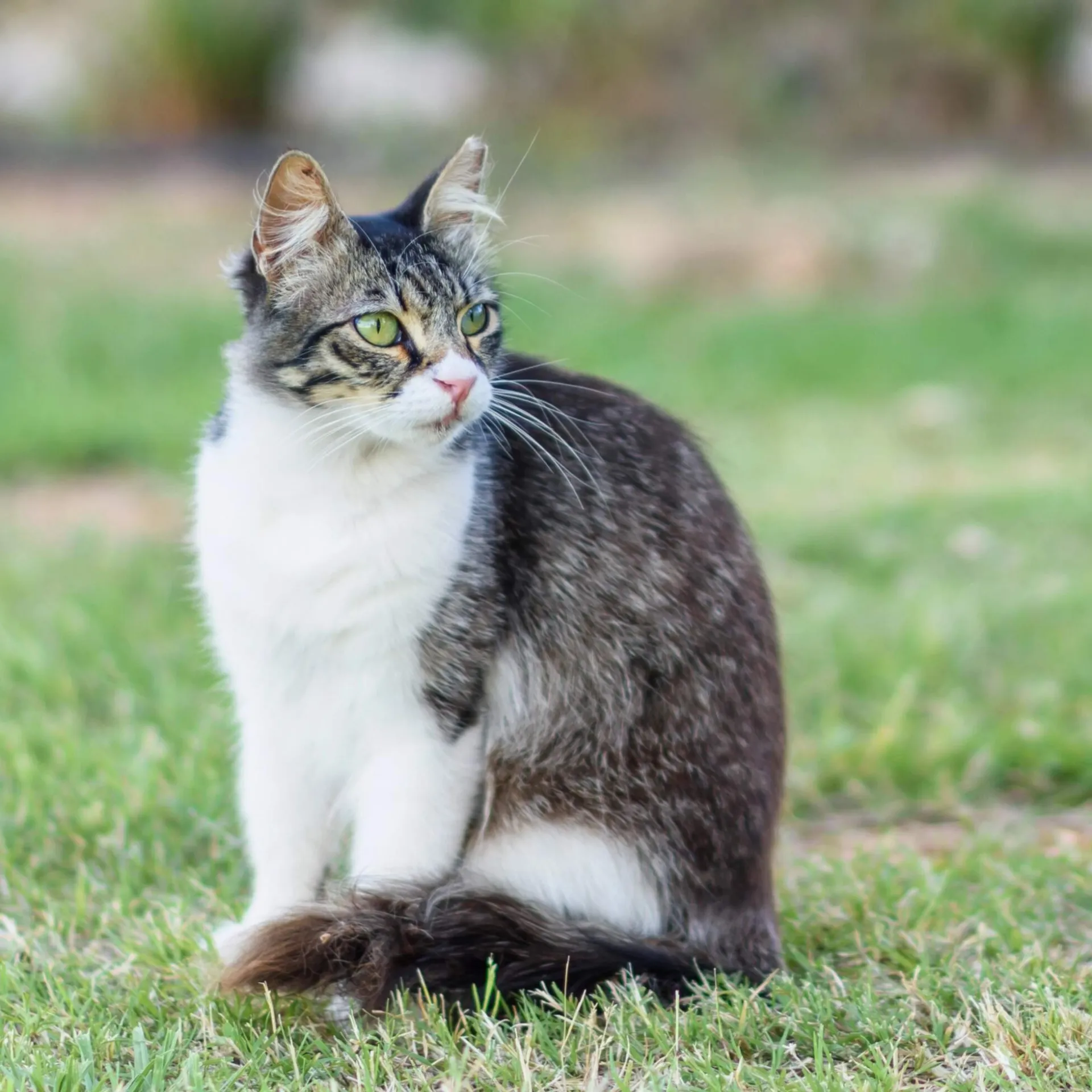
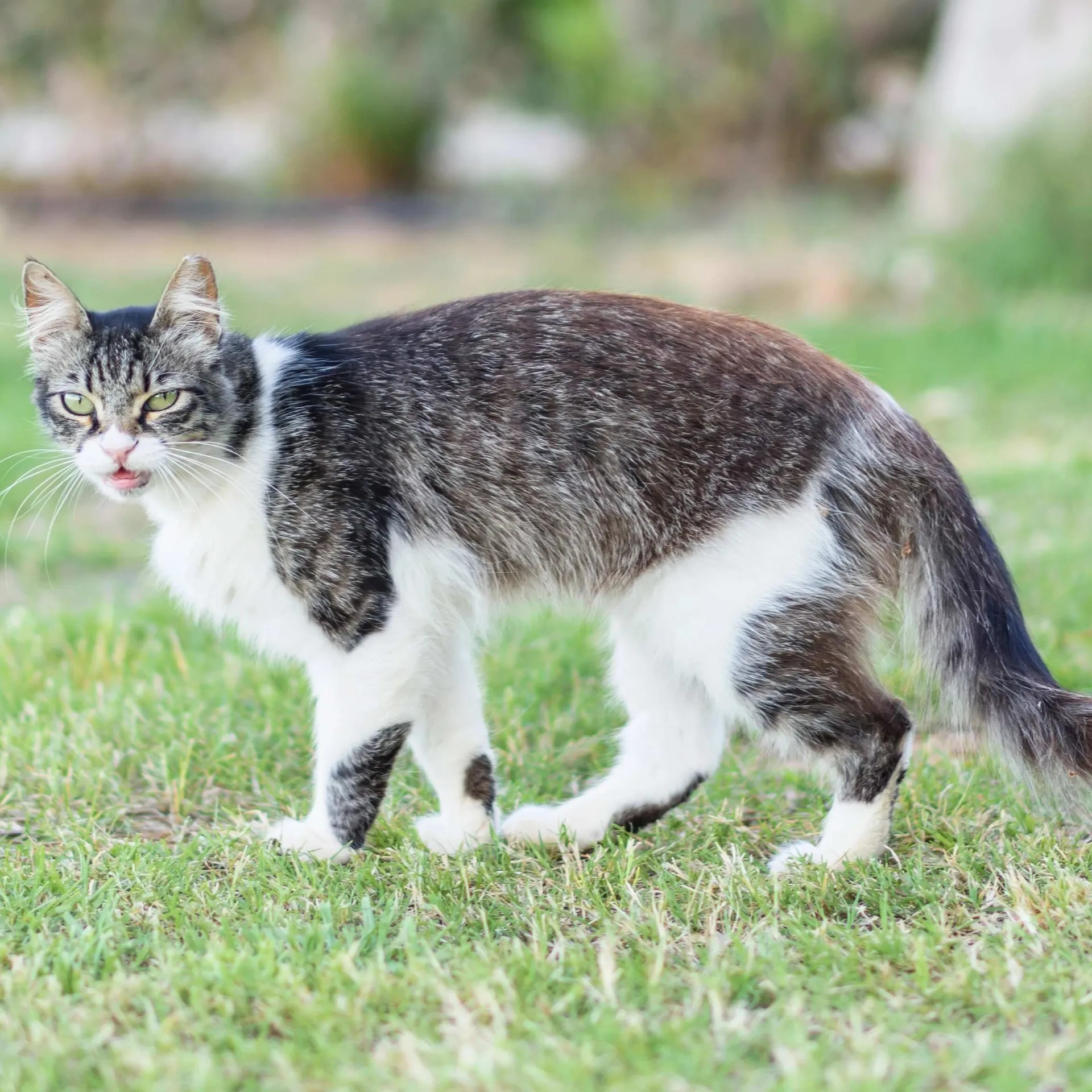
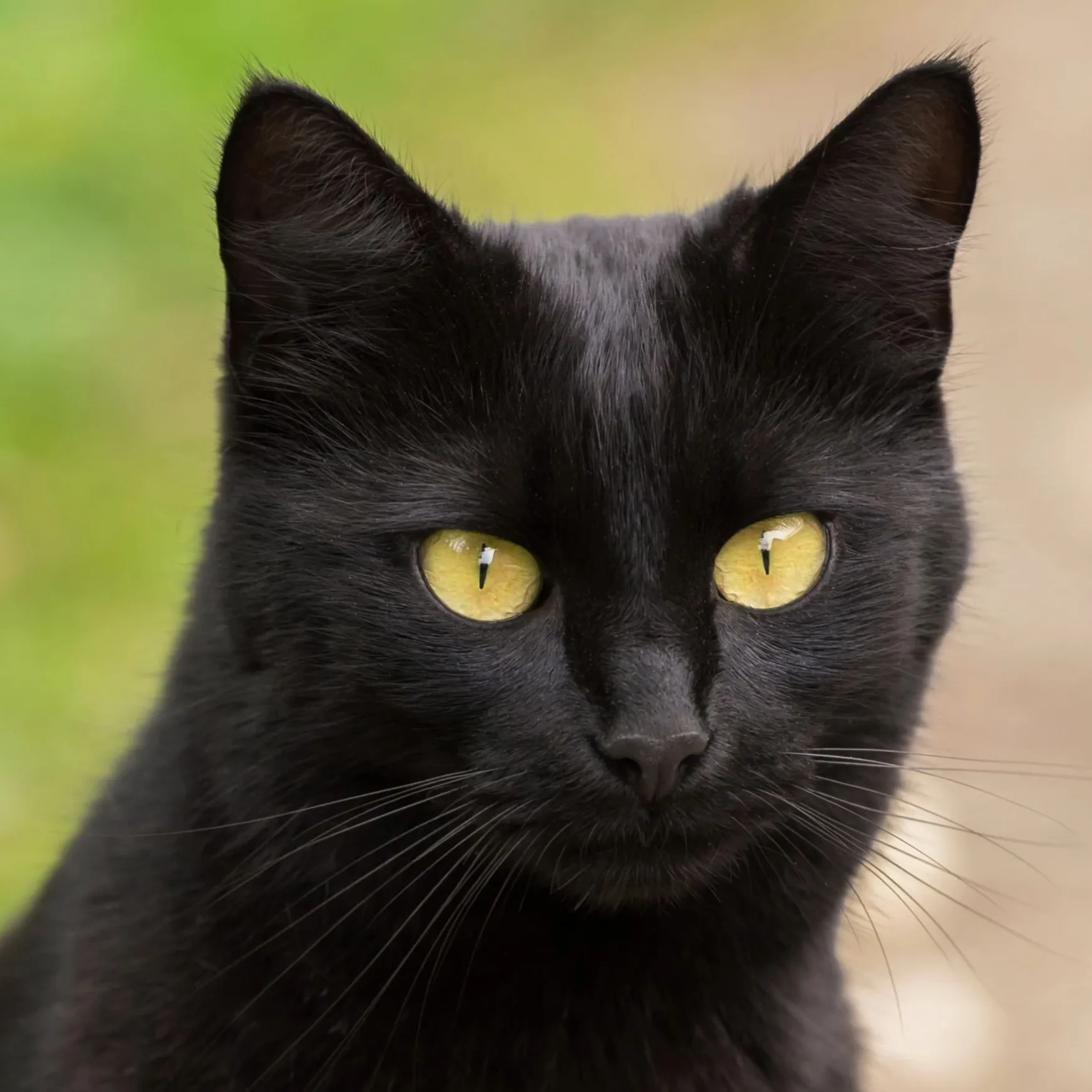
If the Somali is the fox-tailed acrobat, the Cyprus cat is the calm islander with a sturdy build and adaptable nature. Originating from the island of Cyprus and believed to be one of the world’s oldest domestic cat breeds, these cats are muscular, medium-to-large in size, and covered in a dense, weather-resistant coat. The Cat Fanciers’ Association describes them as versatile companions that have thrived in varied climates for centuries—a trait that makes them surprisingly well-suited to Indian households, from humid coastal cities like Chennai to the cooler winters of Delhi and Shimla.
Characteristics
Temperament with Kids
Aggressive
Friendly
Playfulness
Silent
Very Playful
Friendliness
Not Friendly
Super Friendly
Shedding amount
Negligible
Frequent
Compatibility with other cats
Not Friendly
Super Friendly
Prey Drive
Low
High
Need for attention
Independent
Very Needy
Monthly Expenses


Lifespan & Price of the Cyprus in India
Cost of buying
₹ 50,000 - ₹ 1,20,000
Cyprus cats are hardy and naturally healthy, often living 12–15 years when provided with preventive care. Annual checkups for heart, kidneys, and dental screenings are strongly recommended, advice echoed by PetMD.
Buying or Adopting a Cyprus Cat in India
Cyprus cats are exceptionally rare in India, and there are no established breeding programs.
Nutrition Care for the Cyprus Cat
Monthly Food Expenses
₹ 1,500 - ₹ 2,000
Calories per day
Kittens: 200 kcal
Adults: 300 kcal
Essential Nutrients
Protein
Fats
Carbohydrates
Vitamins
Minerals
Water
Amino Acids (Taurine, Arginine, etc.)
Essential Fatty Acids
Fiber
List of foods
Chicken (cooked or raw)
Turkey
Tuna
Eggs (cooked)
Cottage cheese
Pumpkin
Blueberries
Sardines (in moderation)
The Cyprus cat may have its roots on the island of Cyprus, but in Indian homes it thrives with the right balance of nutrition tailored to its sturdy, muscular build and adaptable nature. Known for being moderate in activity—not as hyper as a Somali, but not as sedentary as a Persian—this breed needs a diet that fuels energy without tipping into excess calories. In India, where obesity is an increasing concern among indoor cats, choosing the right protein-rich and balanced meals is key to keeping a Cyprus cat fit and healthy.
Breakdown of Macro-nutrients
Choosing the Right Food for Cyprus Cats
The Cyprus cat, with its sturdy build and adaptable nature, may not be as hyperactive as a Somali, but it’s still playful, curious, and muscular. To keep this breed healthy in Indian homes—whether in the cool hills of Himachal or the muggy heat of Kolkata—nutrition must focus on maintaining muscle strength, supporting coat health, and preventing unnecessary weight gain. Balanced, meat-first diets with the right supplements ensure the Cyprus thrives across India’s varied climates.
Never feed these foods to Cyprus
Avoid anything with these ingredients
Onions and Garlic
Caffeine
Chocolate
Bones
Dairy (in some cases)
Grapes and Raisins
Artificial Sweeteners
Raw Eggs
Cyprus cats may be sturdy and adaptable, but their digestive system is as sensitive as any feline’s. Certain human foods—common in Indian kitchens—can be harmful or even toxic. Knowing what to keep out of their diet is as important as choosing the right food.


Health
Avg Monthly Expenses
₹ 500 - ₹ 700
Common Health Issues
Upper Respiratory Infections
Dental Problems
Obesity
Kidney Disease
Hyperthyroidism
Urinary Tract Infections (UTI)
Feline Immunodeficiency Virus (FIV)
Gastrointestinal Issues
Activities
Play with Toys
Exploring
Climbing
Scratching
Interactive Playtime
Energy Level
Medium
Exercise routine
30 - 60 minutes
Recognising Stress
Decreased appetite
Overgrooming
Increased vocalization
Hiding
Changes in litter box behavior
Medical Care for the Cyprus Cat
The Cyprus cat, known for its robust build and adaptable nature, thrives well in Indian households—from busy city apartments to semi-rural homes. While generally healthy, their active lifestyle and semi-long coat make preventive care essential in India’s diverse climate. PetMD notes that common feline health challenges, including dental disease and weight gain, can affect even resilient breeds like the Cyprus, making regular checkups a must.
Vaccination details
Growth Stage
Core Vaccines
6-8 Weeks
Feline Rhinotracheitis, Calicivirus, Panleukopenia (FVRCP).
10-12 Weeks
FVRCP Booster.
14-16 Weeks
FVRCP Final Booster, Rabies.
Annual
FVRCP Booster, Rabies Booster.
Grooming Guidelines for Cyprus
Avg Monthly Expenses
₹ 800 - ₹ 1,500
Shedding Level
Moderate Shedding
Hygienic Checklist
Grooming (for some breeds)
Ear cleaning
Teeth care
Nail Trimming
Health Observation
Benefits of Grooming
Low Shedding
Prevents Bad Breath
Odourless
Prevents infections
Cleanliness
Quality of life
The Cyprus cat’s coat varies from short to semi-long, but what unites them is a dense texture that can handle both cool mountain air and warmer plains. In India’s diverse weather, their coat care needs a seasonal approach.


Written by
Happy Pet TeamAuthor
Team Happy Pet is a passionate collective of pet experts, enthusiasts, and advocates dedicated to sharing trusted and insightful content.
Our cont
Compare with similar breeds


Frequently Asked Questions
Is it better to adopt or buy a Cyprus cat?
Both adoption and purchasing are valid options. Adoption can be more cost-effective and provides a home to a cat in need, while buying from a reputable breeder ensures specific traits and lineage.
How can I ensure my Cyprus cat is happy and healthy?
Providing a balanced diet, regular grooming, veterinary care, and a loving environment with plenty of play and interaction are key to ensuring a happy and healthy Cyprus cat.
Are Cyprus cats prone to any specific health issues?
While generally healthy, Cyprus cats should have regular veterinary check-ups to monitor for common feline issues like dental disease, obesity, and parasitic infections. Regular vaccinations and preventive care are important.