
Home
/
Cat Breeds
/
Cymric
Cymric
Origin
Isle of Man
Size
Large Breed
Ideal Space
Apartment
Ideal Weather
15º-25ºC
Life Expectancy
12-15 years
Cost of buying
₹ 25,000 - ₹ 60,000
Top 5 Traits
Playful
Curious
Friendly
Independent
Affectionate
Avg Monthly Expenses
₹ 2,800 - ₹ 4,200

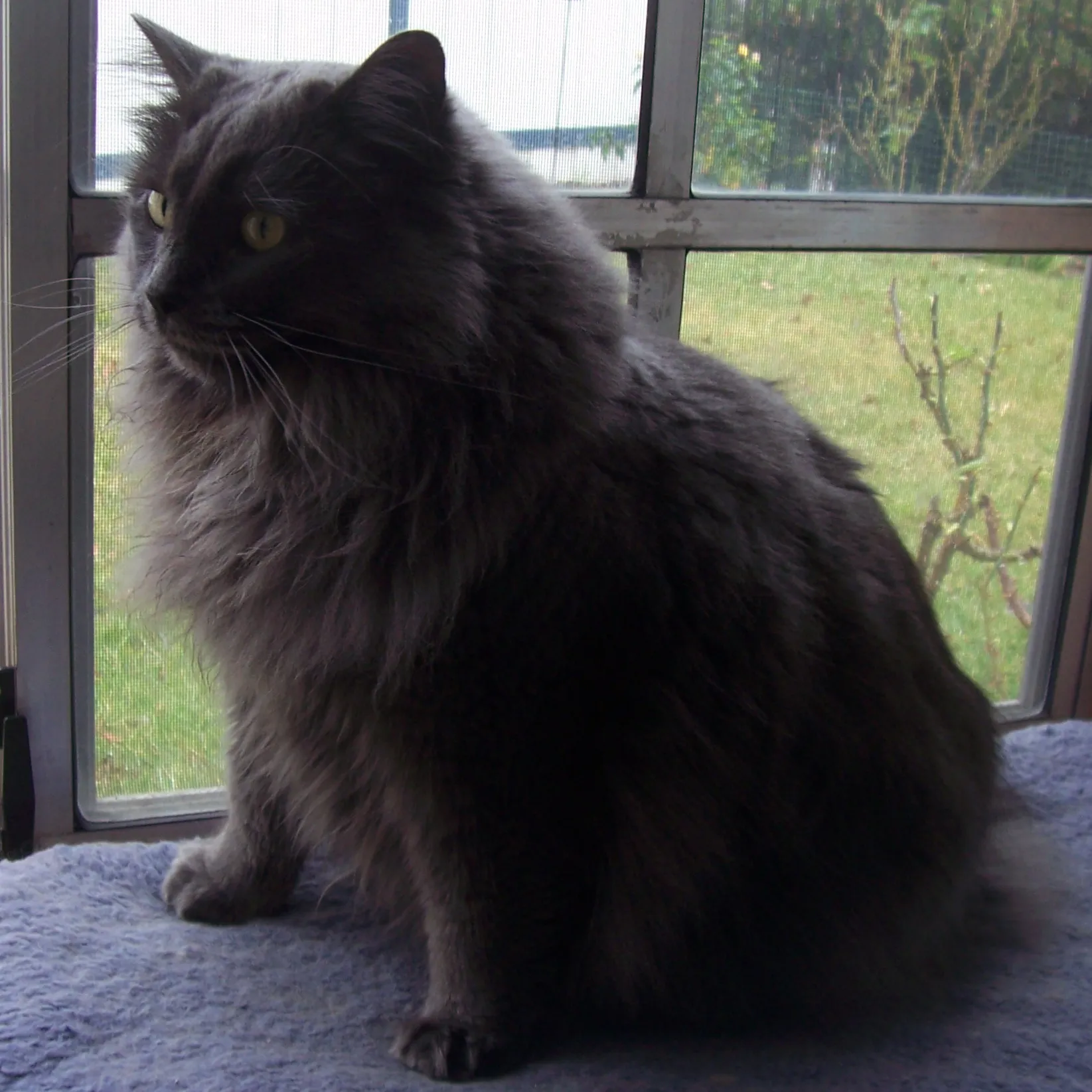


by Happy Pet TeamUpdated on 27 Jun 2025
Introduction to the Cymric
The Cymric (KIM-rick) is a variant of the Manx cat in long-haired form. Though its name sounds Welsh, it actually comes from the Isle of Man.
Characteristics
Temperament with Kids
Aggressive
Friendly
Playfulness
Silent
Very Playful
Friendliness
Not Friendly
Super Friendly
Shedding amount
Negligible
Frequent
Compatibility with other cats
Not Friendly
Super Friendly
Prey Drive
Low
High
Need for attention
Independent
Very Needy
Monthly Expenses


Cymric Cat’s Price Guide
Cost of buying
₹ 25,000 - ₹ 60,000
The Cymric prices depend upon coat type and lineage. In India, the price falls somewhere between ₹ 25,000 - ₹ 60,000.
Shop or Adopt a Cymric: Make the Right Choice!
Responsible shopping will make sure that ethical breeding is taking place while adopting a Cymric will give a loving home to a cat that needs it. Pick based on your ability to keep up with their gentle temperament, grooming needs, and lifespan.
Nutrition Care for the Cymric
Monthly Food Expenses
₹ 1,500 - ₹ 2,000
Calories per day
Kittens: 300 kcal
Adults: 249 kcal
Essential Nutrients
Protein
Fats
Carbohydrates
Vitamins
Minerals
Amino Acids (Taurine, Arginine, etc.)
Essential Fatty Acids
Fiber
List of foods
Dry kibble
Turkey
Wet canned food
Chicken (cooked or raw)
Salmon
Pumpkin
Eggs (cooked)
Cottage cheese
- They require high quality protein for the maintenance of muscle.
- Healthy fats support energy levels and a shiny coat.
- Immunity and joint health are strengthened with the help of essential nutrients.
- Taurine is important for heart and vision health.
- Wet food helps in hydration and urinary tract health.
- It is best to avoid low quality foods to prevent obesity and digestion problems.
- A balanced diet of wet food, lean meats and supplements is vital for overall well being.
Breakdown of Macro-nutrients
Best Foods for Cymrics
Look for foods that include:
Foods to Avoid for Cymrics
Avoid anything with these ingredients
Onions and Garlic
Caffeine
Chocolate
Bones
Raw Eggs
Grapes and Raisins
Xylitol
Avoid feeding:


Healthcare for the Cymric
Avg Monthly Expenses
₹ 500 - ₹ 700
Common Health Issues
Obesity
Dental Problems
Hyperthyroidism
Hypertrophic Cardiomyopathy (HCM)
Urinary Tract Infections (UTI)
Hairballs
Skin Allergies
Arthritis
Progressive Retinal Atrophy
Activities
Exploring
Climbing
Scratching
Play with Toys
Interactive Feeders
Energy Level
Medium
Exercise routine
30 - 60 minutes
Recognising Stress
Hiding
Increased vocalization
Decreased appetite
Changes in litter box behavior
Overgrooming
Common Health Problems of Cymrics
- Manx Syndrome: The Tailless gene causes spinal disfigurements. It may cause mobility issues and incontinence; the earlier it is diagnosed, the better.
- Hip Dysplasia: Because they are stocky. It can result in lameness or difficulty in locomotion.
- Obesity: Heightens the risks of diabetes and joint pain. Weight gain is prevented by a controlled diet and frequent play.
- Dental Issues: Many cat breeds have this. Oral health can be sustained by regular brushing and checkups by the vet.
Vaccination details
Growth Stage
Core Vaccines
6-8 Weeks
Feline Viral Rhinotracheitis, Calicivirus, Panleukopenia (FVRCP).
12-16 Weeks
FVRCP Booster, Feline Leukemia Virus (FeLV).
Annual
FVRCP Booster, FeLV Booster.
1-2 Years
Rabies.
Cymric Grooming Routine
Avg Monthly Expenses
₹ 800 - ₹ 1,500
Shedding Level
Moderate Shedding
Hygienic Checklist
Feeding
Litter Box
Grooming (for some breeds)
Hydration
Health Observation
Play and Exercise
Benefits of Grooming
Cleanliness
Low Shedding
Odourless
Prevents Bad Breath
Quality of life
Brush Cymrics 2–3 times a week, or daily during shedding seasons.


Written by
Happy Pet TeamAuthor
Team Happy Pet is a passionate collective of pet experts, enthusiasts, and advocates dedicated to sharing trusted and insightful content.
Our cont


Frequently Asked Questions
What causes the Cymric's taillessness?
A natural mutation which began on the Isle of Man and grew in isolated communities.
Are all Cymrics tailless?
No. They may be Rumpy – no tail at all, Rumpy-riser – 1–3 vertebrae, Stumpy – short tail, Longy – near full tail
Is Manx Syndrome common in Cymrics?
It may. It is not present in all tailless cats and is tested and screened by responsible breeders.
Are Cymrics good with kids?
Yes. They are playful, mild, and easily get along with families and other pets.