
Home
/
Cat Breeds
/
Cornish Rex
Cornish Rex
Origin
England
Size
Medium Breed
Ideal Space
Apartment
Ideal Weather
20º-25ºC
Life Expectancy
12-15 years
Cost of buying
₹ 1,50,000 - ₹ 4,00,000
Top 5 Traits
Playful
Curious
Friendly
Affectionate
Active
Avg Monthly Expenses
₹ 2,800 - ₹ 4,200

by Happy Pet TeamUpdated on 15 Aug 2025
All You Need to Know About The Cornish Rex
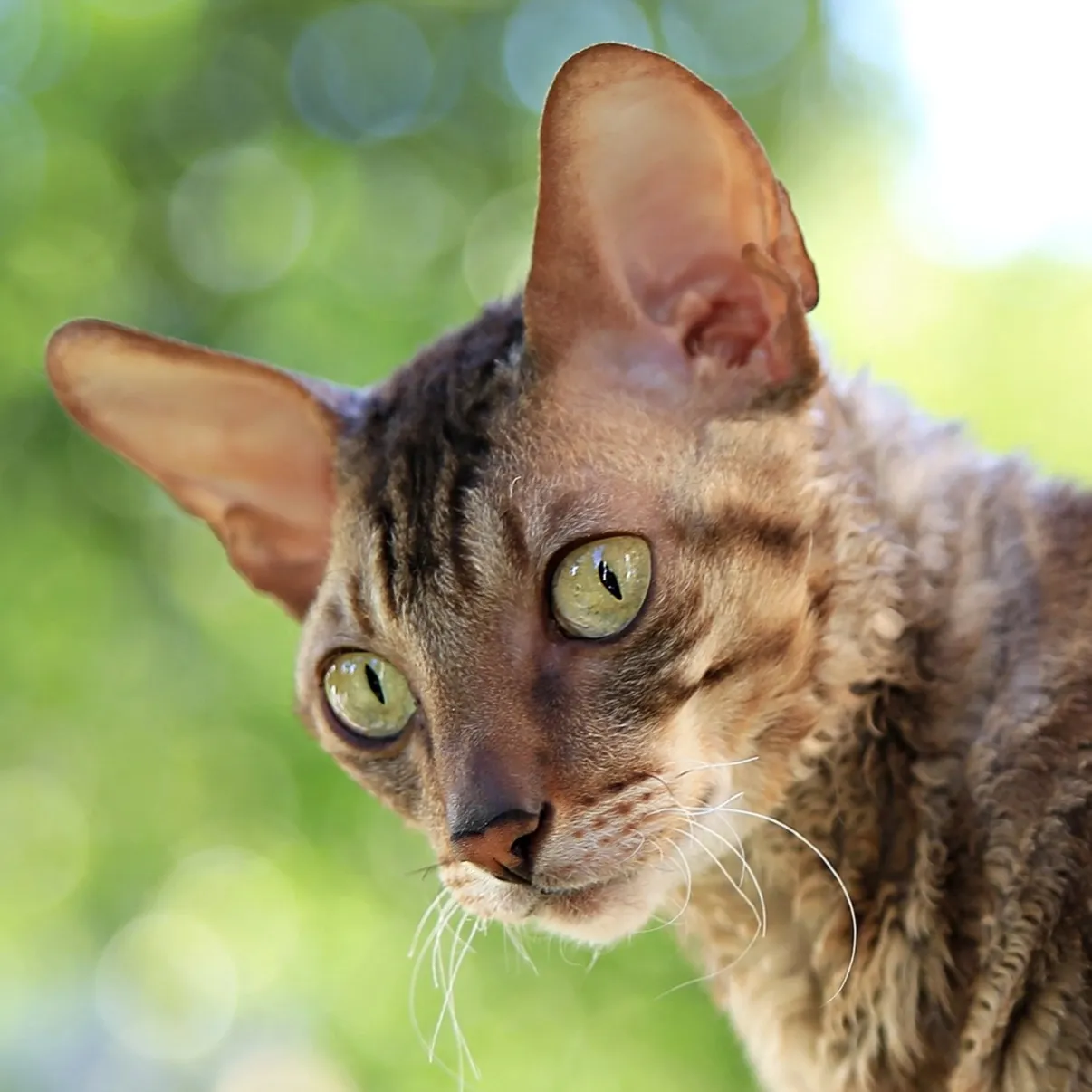
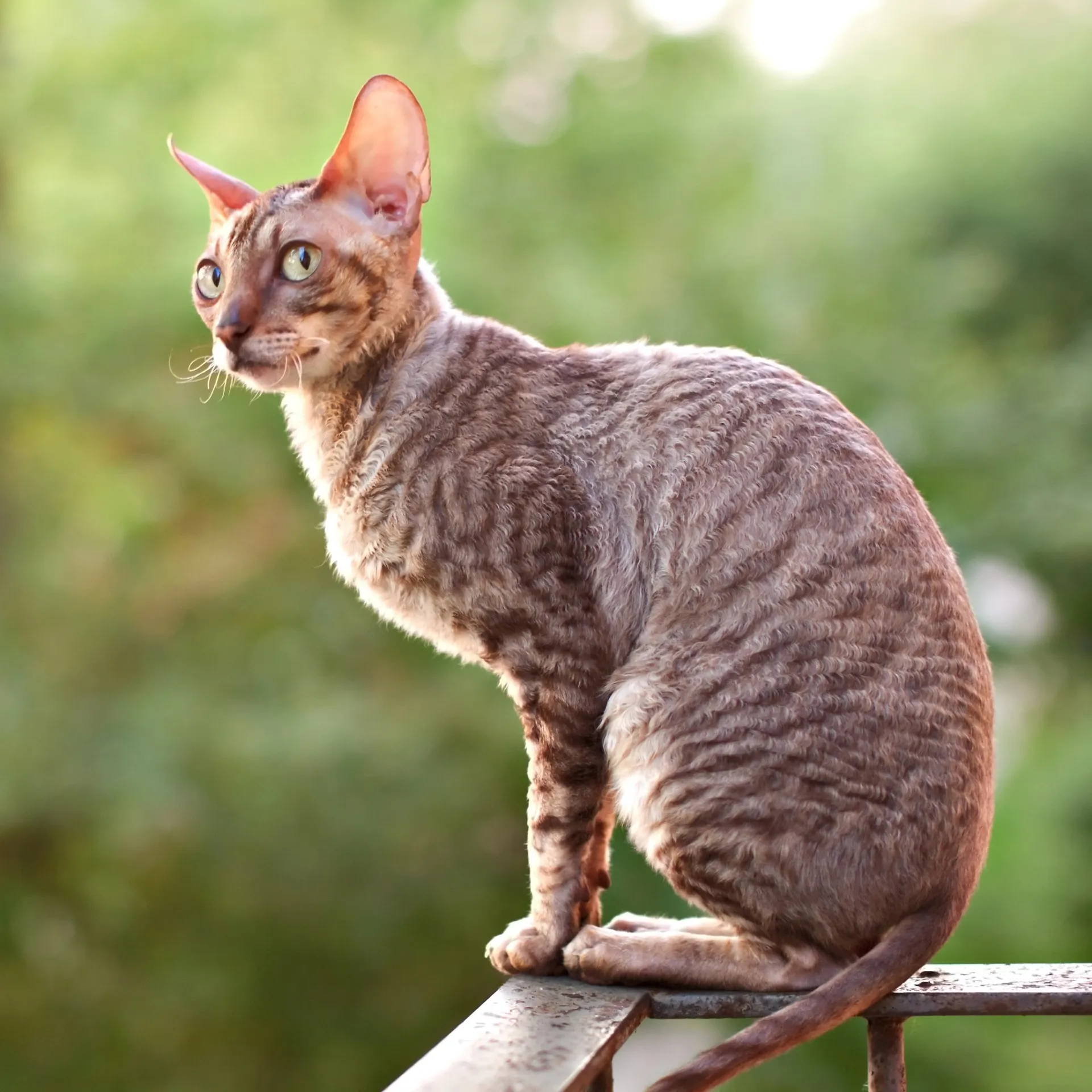
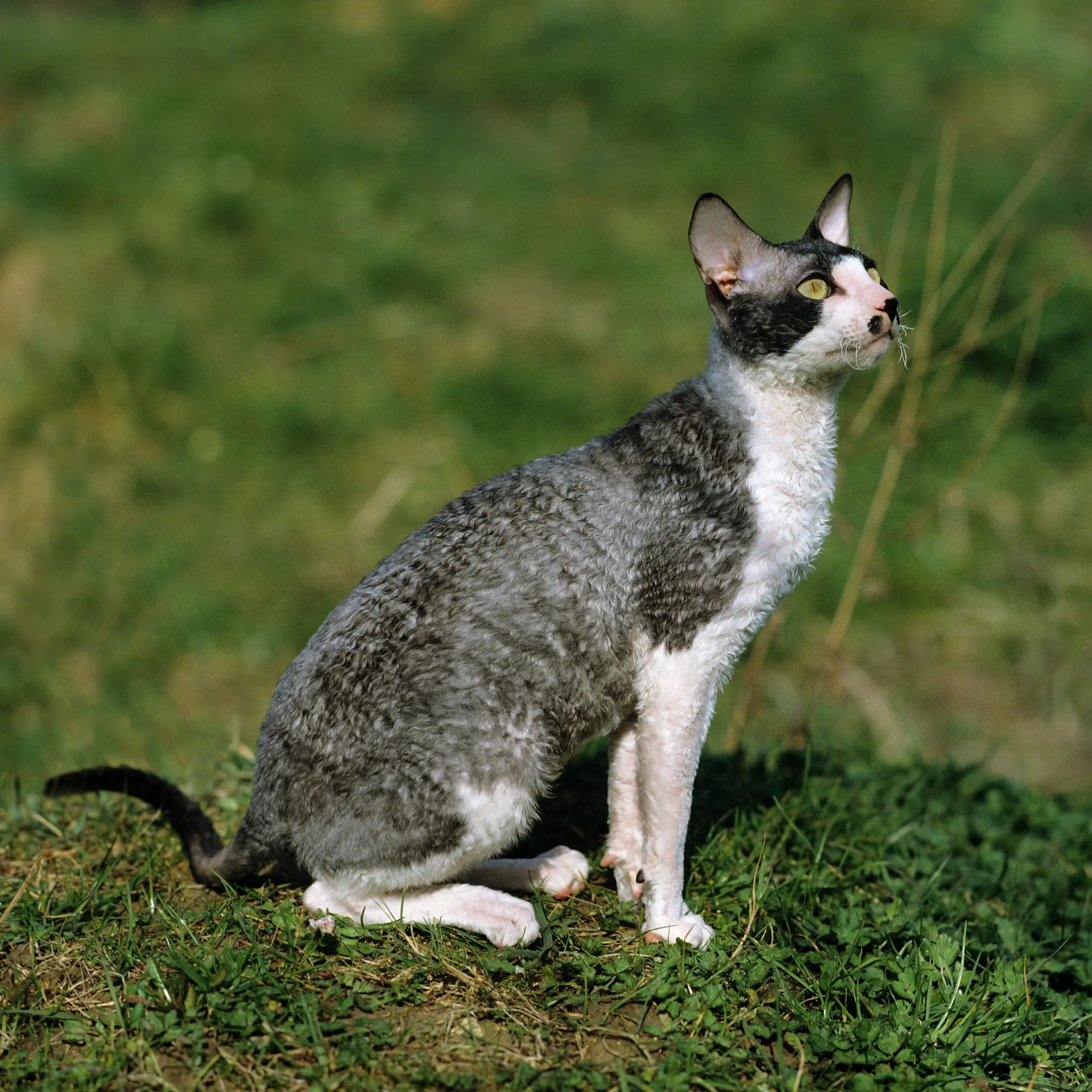
The Cornish Rex is a captivating, medium-sized cat breed distinguished by its ultra-soft, curly coat that consists solely of down hair—lacking the usual guard and awn hairs found in other breeds, according to Wikipedia. Hailing from Cornwall, England, this naturally occurring mutation emerged in the 1950s when a kitten named Kallibunker, sporting an unusual wavy coat, became the breed’s ancestor; he was then bred back to his mother to establish the curly trait, according to HolistaPet..
Characteristics
Temperament with Kids
Aggressive
Friendly
Playfulness
Silent
Very Playful
Friendliness
Not Friendly
Super Friendly
Shedding amount
Negligible
Frequent
Compatibility with other cats
Not Friendly
Super Friendly
Prey Drive
Low
High
Need for attention
Independent
Very Needy
Monthly Expenses


Lifespan & Price of the Cornish Rex in India
Cost of buying
₹ 1,50,000 - ₹ 4,00,000
- Lifespan: According to WebMD, Cornish Rex cats typically live 11–15 years, with some living beyond that when given proper preventive care.
Buying or Adopting a Cornish Rex: Making an Informed Decision
Welcoming a Cornish Rex into your family is both exciting and a responsibility. Here are some key tips to ensure a smooth and thoughtful choice:
Nutrition Care for the Cornish Rex
Monthly Food Expenses
₹ 1,500 - ₹ 2,000
Calories per day
Kittens: 300 kcal
Adults: 250 kcal
Essential Nutrients
Protein
Fats
Carbohydrates
Vitamins
Minerals
Fiber
List of foods
Dry kibble
Wet canned food
Chicken (cooked or raw)
Turkey
Salmon
Eggs (cooked)
Pumpkin
Cornish Rex cats are lean, muscular, and highly active; their diet should provide sufficient energy, support muscle health, and maintain their unique curly coat:
Breakdown of Macro-nutrients
Selecting Good Quality Food
Choose premium cat food with real meat—such as chicken, turkey, salmon, or lamb—as the first ingredient. Avoid fillers like corn, wheat, or soy, as they provide little nutritional value for obligate carnivores and can contribute to digestive issues, as noted by Animal Elysium. Artificial colors, flavors, and chemical preservatives like BHA/BHT should also be avoided, since they may cause allergic reactions or long-term health concerns, according to Petchef.
Never feed these foods to Cornish Rex
Avoid anything with these ingredients
Onions and Garlic
Caffeine
Alcohol
Bones
Raw Eggs
Dairy (in some cases)
Grapes and Raisins
Chocolate
While generally healthy, Cornish Rex cats should not consume certain foods that are toxic or harmful:


Health
Avg Monthly Expenses
₹ 500 - ₹ 700
Common Health Issues
Fleas and Ticks
Hyperthyroidism
Upper Respiratory Infections
Dental Problems
Obesity
Diabetes
Kidney Disease
Heartworm Disease
Activities
Play with Toys
Chasing Objects
Climbing
Exploring
Hide and Seek
Hunting Games
Energy Level
High
Exercise routine
30 - 60 minutes
Recognising Stress
Hiding
Increased vocalization
Decreased appetite
Overgrooming
Changes in litter box behavior
Medical Care for the Cornish Rex
Cornish Rex cats typically enjoy robust health, but thoughtful veterinary care is essential to support their long-term well-being:
Vaccination details
Growth Stage
Core Vaccines
6-8 Weeks
Feline Panleukopenia (FPV).
10-12 Weeks
Feline Rhinotracheitis (FHV-1) and Calicivirus (FCV).
14-16 Weeks
Feline Leukemia Virus (FeLV).
18-20 Weeks
Rabies.
How to Groom a Cornish Rex
Avg Monthly Expenses
₹ 800 - ₹ 1,500
Shedding Level
Low Shedding
Hygienic Checklist
Feeding
Litter Box
Grooming (for some breeds)
Play and Exercise
Health Observation
Hydration
Benefits of Grooming
Cleanliness
Low Shedding
Odourless
Prevents Bad Breath
Prevents infections
Cornish Rex cats have soft, wavy coats with very short hair, which makes grooming straightforward and low-maintenance:


Written by
Happy Pet TeamAuthor
Team Happy Pet is a passionate collective of pet experts, enthusiasts, and advocates dedicated to sharing trusted and insightful content.
Our cont
Compare with similar breeds
Frequently Asked Questions
What makes the Cornish Rex unique among cat breeds?
The Cornish Rex is distinct for its sleek, fine-boned body, large ears, and short, curly coat. Unlike other breeds, their fur is soft and wavy, creating a unique and striking appearance.
Do Cornish Rex cats require special toys or activities?
Cornish Rex cats love to play with each other and be mentally stimulated. The best toys are those that promote climbing, chasing, and play that imitates hunting activities. They might also value comfortable hiding places.
Are Cornish Rex cats indoor or outdoor cats?
Cornish Rex cats should ideally be kept indoors due to their unusual coat and possible sensitivity to temperature changes. For their wellbeing, an engaging indoor environment is necessary.