Home
/
Cat Breeds
/
Cheetoh
Cheetoh
Origin
United States
Size
Large Breed
Ideal Space
Independent House
Ideal Weather
18º-24ºC
Life Expectancy
12-15 years
Cost of buying
₹ 80,000 - ₹ 1,50,000
Top 5 Traits
Curious
Affectionate
Gentle
Active
Playful
Avg Monthly Expenses
₹ 2,800 - ₹ 4,200

by Happy Pet TeamUpdated on 3 Sept 2025
Get to Know the Cheetoh Cat
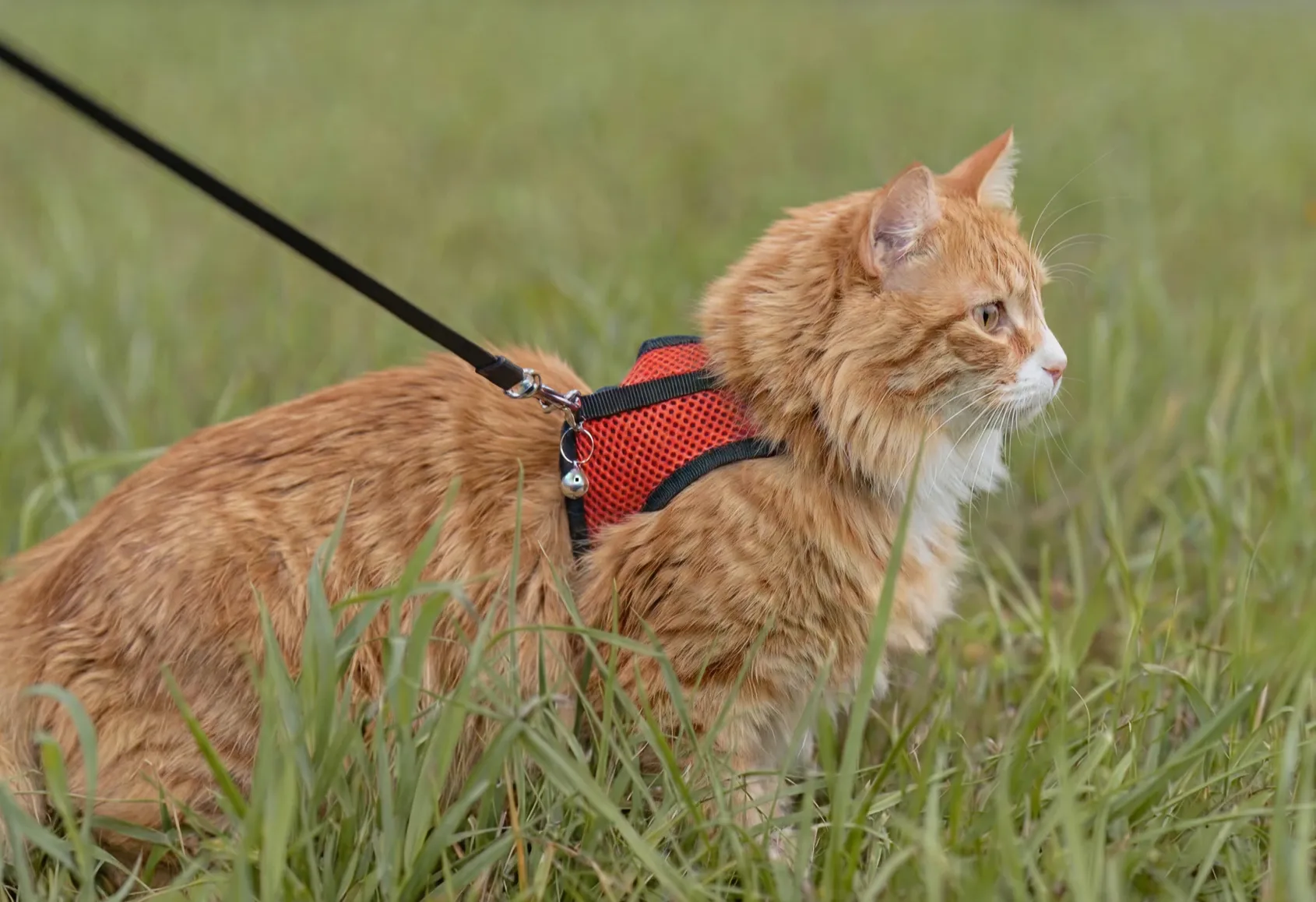
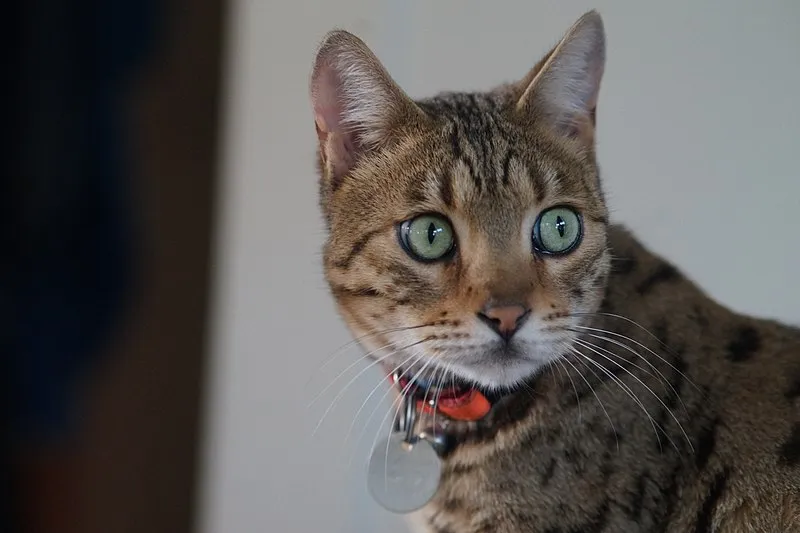
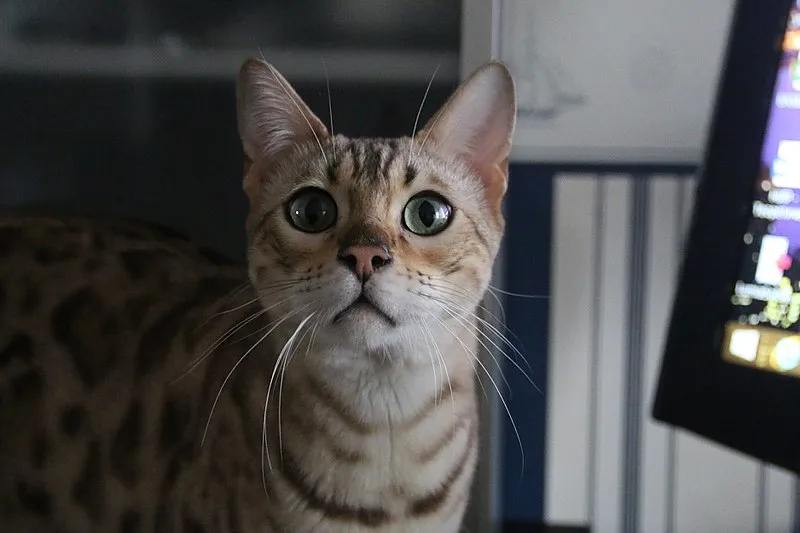
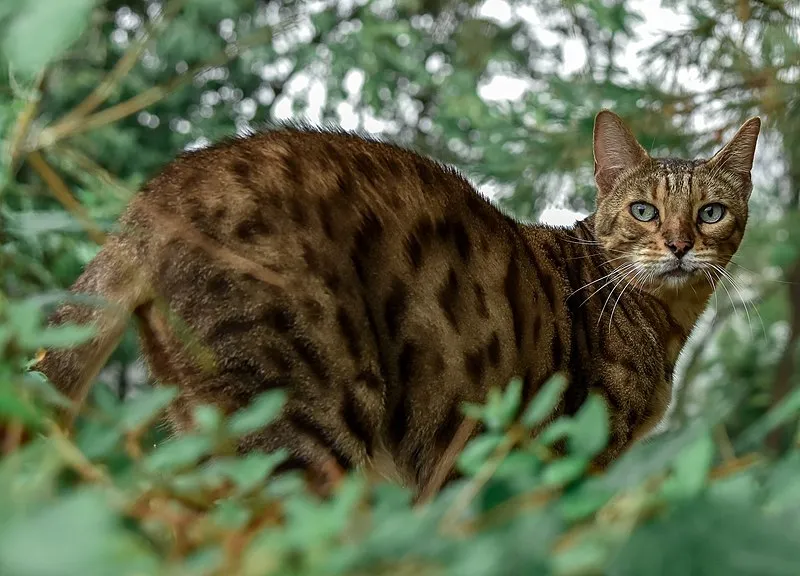
The Cheetoh cat is an exotic, hybrid breed developed by crossing the Bengal and Ocicat. Known for its striking wildcat-like appearance yet gentle temperament, the Cheetoh combines the beauty of a wild feline with the friendliness of a domestic cat. This breed was first developed in the early 2000s in the United States, with the aim of creating a large, athletic, and affectionate cat that retains no wild blood but has the look of one.
Characteristics
Temperament with Kids
Aggressive
Friendly
Playfulness
Silent
Very Playful
Friendliness
Not Friendly
Super Friendly
Shedding amount
Negligible
Frequent
Compatibility with other cats
Not Friendly
Super Friendly
Prey Drive
Low
High
Need for attention
Independent
Very Needy
Monthly Expenses


Cheetoh’s Lifespan and Price
Cost of buying
₹ 80,000 - ₹ 1,50,000
Price in India: 80,000 – ₹1,50,000 depending on breeder reputation, location, and pedigree.
Shop or Adopt a Cheetoh: Do Whats Best for You
Buying or adopting are the two main possibilities if you're thinking about getting a Cheetoh cat for your house. Whichever you choose, keep the following points in mind.
Nutrition Care for the Cheetoh
Monthly Food Expenses
₹ 1,500 - ₹ 2,000
Calories per day
Kittens: 200 kcal
Adults: 300 kcal
Essential Nutrients
Protein
Fats
Carbohydrates
Vitamins
Minerals
Amino Acids (Taurine, Arginine, etc.)
Essential Fatty Acids
Fiber
List of foods
Dry kibble
Wet canned food
Turkey
Lamb
Chicken (cooked or raw)
Salmon
Eggs (cooked)
Plain yogurt (no added sugar)
Cheetoh cats are active and require a nutrient-rich diet to maintain their lean muscle and high energy levels.
Breakdown of Macro-nutrients
Best Foods for Cheetoh Cats
Feeding premium-quality food supports the Cheetoh’s energetic lifestyle and maintains its muscular build.
Foods to Avoid for Cheetoh Cats
Avoid anything with these ingredients
Onions and Garlic
Caffeine
Chocolate
Alcohol
Bones
Raw Eggs
Grapes and Raisins
Xylitol
Certain foods can harm your Cheetoh’s health and should be avoided:


Health
Avg Monthly Expenses
₹ 500 - ₹ 700
Common Health Issues
Dental Problems
Obesity
Diabetes
Skin Allergies
Urinary Tract Infections (UTI)
Hyperthyroidism
Hypertrophic Cardiomyopathy (HCM)
Kidney Disease
Activities
Play with Toys
Exploring
Climbing
Scratching
Interactive Playtime
Energy Level
High
Exercise routine
20 - 60 minutes
Recognising Stress
Hiding
Increased vocalization
Decreased appetite
Overgrooming
Changes in litter box behavior
Healthcare for the Cheetoh
Below is the list of the most common health problems faced by the Cheetoh cat:
Vaccination details
Growth Stage
Core Vaccines
6-8 Weeks
Feline Viral Rhinotracheitis (FVR), Calicivirus, Panleukopenia (FVRCP).
10-12 Weeks
Feline Leukemia Virus (FeLV).
12-16 Weeks
Rabies (initial dose).
14-16 Weeks
Feline Viral Rhinotracheitis (FVR), Calicivirus, Panleukopenia (FVRCP) booster.
Annually
Rabies booster, FVRCP booster, FeLV booster if at risk.
Grooming a Cheetoh Cat
Avg Monthly Expenses
₹ 800 - ₹ 1,500
Shedding Level
Moderate Shedding
Hygienic Checklist
Litter Box
Grooming (for some breeds)
Health Observation
Nail Trimming
Teeth care
Ear cleaning
Benefits of Grooming
Cleanliness
Odourless
Prevents Bad Breath
Prevents infections
Quality of life
The Cheetoh cat has a low-maintenance grooming routine, but regular care helps keep them healthy and looking their best. A weekly brushing session is enough to remove loose hair and distribute natural skin oils, keeping their coat shiny and smooth. Bathing should only be done when necessary, as overbathing can dry out their skin. Their nails should be trimmed every two to three weeks to prevent overgrowth and discomfort. Additionally, cleaning their ears once a week with a vet-approved solution helps prevent infections and maintain overall ear health.


Written by
Happy Pet TeamAuthor
Team Happy Pet is a passionate collective of pet experts, enthusiasts, and advocates dedicated to sharing trusted and insightful content.
Our cont
Frequently Asked Questions
Are Cheetoh cats rare?
Cheetoh cats are considered a relatively rare breed, and finding a reputable breeder may require some effort.
How much does a Cheetoh cat cost?
The cost of a Cheetoh cat can vary depending on the breeder and the cat’s lineage. Expect to pay a premium price for this hybrid breed.
Where can I get one?
Cheetohs aren't super common, so you might have to look around. They can be pricey.