Home
/
Cat Breeds
/
Burmilla
Burmilla
Origin
United Kingdom
Size
Medium Breed
Ideal Space
Apartment
Ideal Weather
18º-27ºC
Life Expectancy
10-15 years
Cost of buying
₹ 20,000 - ₹ 50,000
Top 5 Traits
Affectionate
Playful
Friendly
Independent
Curious
Avg Monthly Expenses
₹ 2,800 - ₹ 4,200

by Happy Pet TeamUpdated on 3 Sept 2025
Know All About the Burmilla Cats
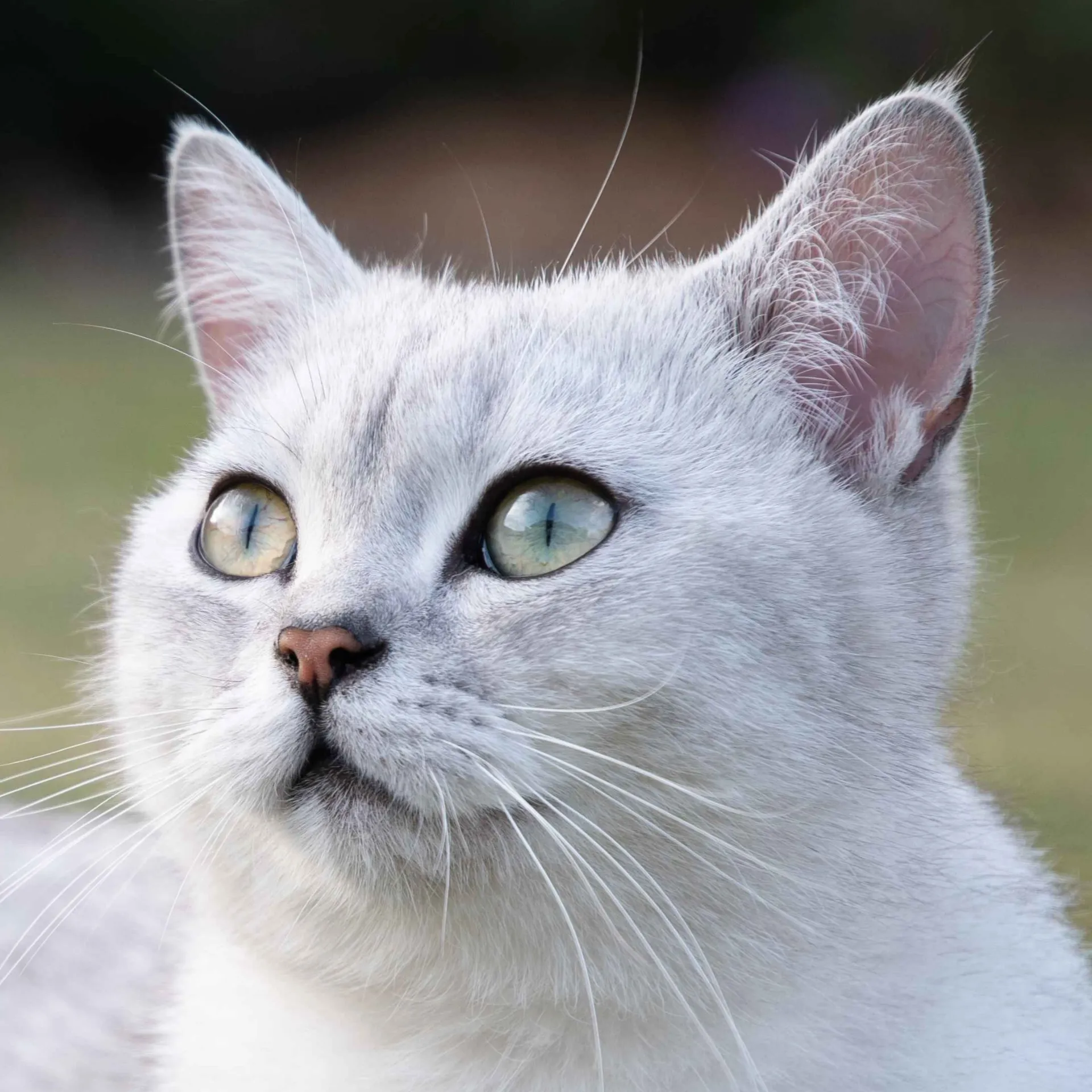
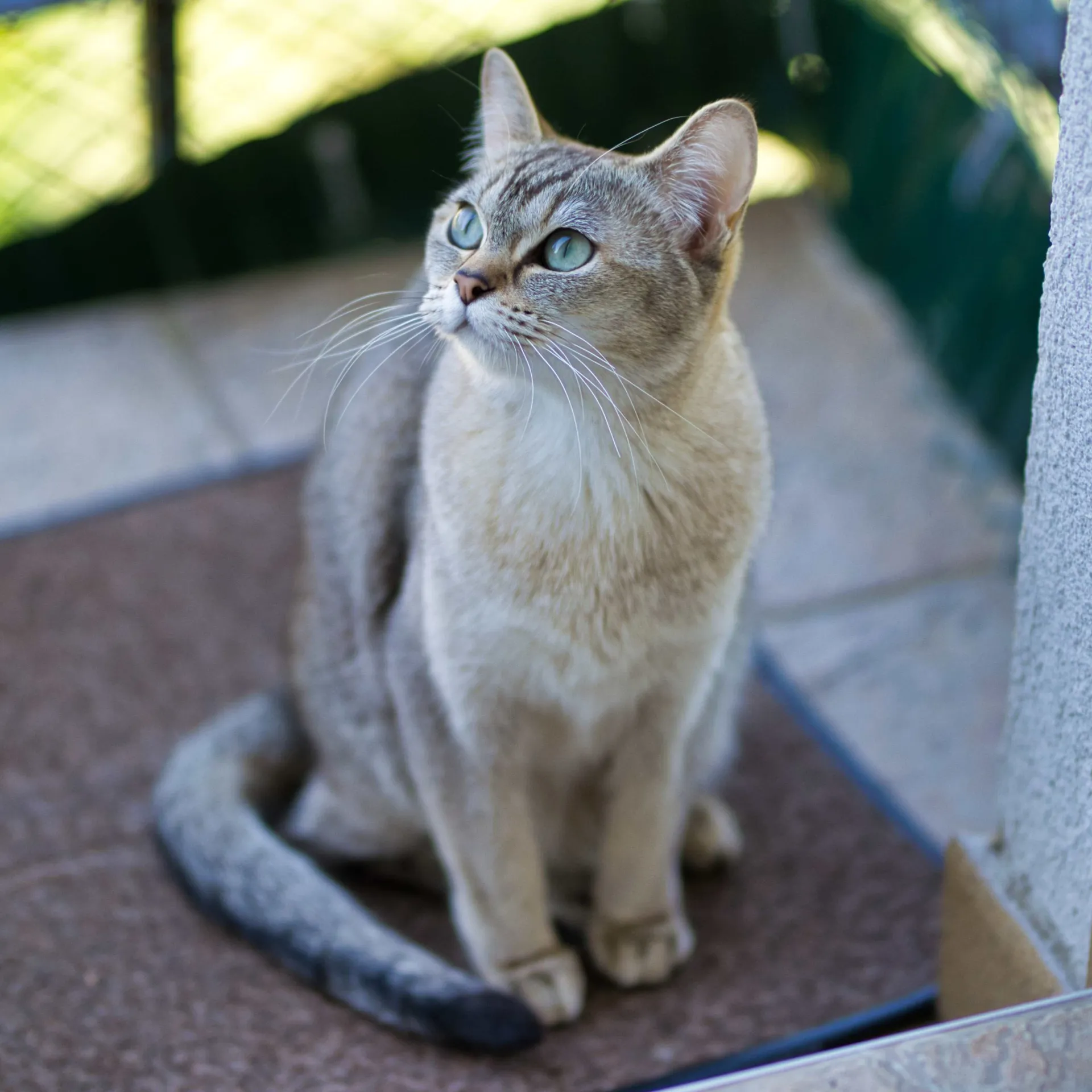
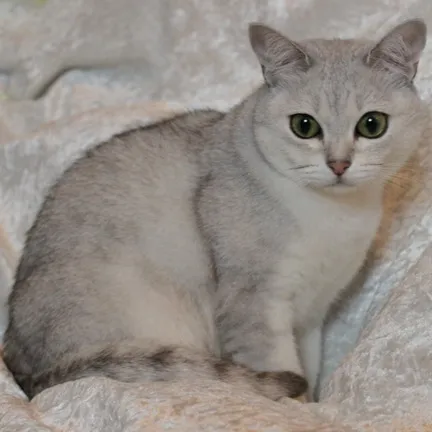
The Burmilla is a charming medium-sized breed that began by chance in the UK in the 1980s when a Chinchilla Persian accidentally mated with a Burmese, resulting in a striking silver-tipped kitten that inspired a new breed, according to Wikipedia. Muscular yet elegant, Burmillas have thick, soft, and sometimes semi-long coats that feel silky and luxurious. Their large eyes are often outlined with darker “makeup,” enhancing their expressive, striking appearance.
Characteristics
Temperament with Kids
Aggressive
Friendly
Playfulness
Silent
Very Playful
Friendliness
Not Friendly
Super Friendly
Shedding amount
Negligible
Frequent
Compatibility with other cats
Not Friendly
Super Friendly
Prey Drive
Low
High
Need for attention
Independent
Very Needy
Monthly Expenses


Burmilla Lifespan and Price
Cost of buying
₹ 20,000 - ₹ 50,000
While price specifics vary, Burmillas remain relatively rare. In India, expect costs around ₹20,000–₹50,000 for a kitten from a reputable breeder, based on rarity and breed demand.
Shop or Adopt a Burmilla: Make the Right Choice!
Research: Learn about Burmilla cat and the kind of care they need, and make sure you're ready for the responsibilities that comes with owning a pet.
Nutrition Care for the Burmilla Cats
Monthly Food Expenses
₹ 1,500 - ₹ 2,000
Calories per day
Kittens: 250 kcal
Adults: 200 kcal
Essential Nutrients
Protein
Fats
Carbohydrates
Vitamins
Minerals
Fiber
List of foods
Pumpkin
Cottage cheese
Wet canned food
Dry kibble
Chicken (cooked or raw)
Salmon
Eggs (cooked)
Burmilla cats thrive on a well-balanced diet that includes high-quality protein sources like chicken, turkey, and fish. Combining wet and dry meals gives your cat variety and keeps them properly hydrated. Omega-3 fatty acids and cat-specific multivitamins are examples of supplements that promote general health. It's imperative to stay away from hazardous components like chocolate, alcohol, onions, garlic, and artificial chemicals.
Breakdown of Macro-nutrients
Selecting Good Quality Food for Burmilla Cat
Burmilla cats do best on a well-balanced diet that includes plenty of high-quality protein sources, such as fish, poultry, and turkey. Providing a combination of dry and wet food offers variation and aids in staying well hydrated. Including fruits and vegetables can help provide necessary vitamins and fiber. Supplements that promote general health include omega-3 fatty acids and multivitamins designed specifically for cats.
Never feed these foods to Burmilla Cats
Avoid anything with these ingredients
Onions and Garlic
Caffeine
Bones
Raw Eggs
Dairy (in some cases)
Alcohol
Chocolate
Raw fish might seem like a natural treat, but it can carry parasites and cause thiamine deficiency in cats. If you want to offer it, stick to small amounts of cooked fish instead.


Health Care Profile of Burmilla Cat
Avg Monthly Expenses
₹ 500 - ₹ 700
Common Health Issues
Upper Respiratory Infections
Obesity
Dental Problems
Hyperthyroidism
Gastrointestinal Issues
Fleas and Ticks
Hairballs
Kidney Disease
Activities
Play with Toys
Exploring
Scratching
Climbing
Chasing Objects
Interactive Feeders
Energy Level
Medium
Exercise routine
30 - 60 minutes
Recognising Stress
Hiding
Changes in litter box behavior
Decreased appetite
Overgrooming
Increased vocalization
Common Health Guide of Burmilla Cats
Burmilla cats are generally healthy, but they may be prone to dental issues, obesity, and kidney disease. below are a few diseases to watch out for.
Vaccination details
Growth Stage
Core Vaccines
8 Weeks
FVRCP (Feline Viral Rhinotracheitis, Calicivirus, Panleukopenia)
12 Weeks
FVRCP Booster
16 Weeks
FeLV (Feline Leukemia Virus) Initial Vaccine
20 Weeks
FeLV Booster
24 Weeks
Rabies Vaccine
28 Weeks
FVRCP and FeLV Boosters
52 Weeks
Annual Check-up and Vaccination Review
Best Grooming For Your Burmilla
Avg Monthly Expenses
₹ 800 - ₹ 1,500
Shedding Level
Moderate Shedding
Hygienic Checklist
Litter Box
Grooming (for some breeds)
Hydration
Bathing
Benefits of Grooming
Low Shedding
Odourless
Prevents Bad Breath
Prevents infections
Cleanliness
Despite their plush coat, Burmillas are surprisingly easy to care for. A simple weekly brushing is usually enough to keep shedding under control and maintain a healthy shine.


Written by
Happy Pet TeamAuthor
Team Happy Pet is a passionate collective of pet experts, enthusiasts, and advocates dedicated to sharing trusted and insightful content.
Our cont
Compare with similar breeds

Frequently Asked Questions
How can I identify if my Burmilla cat is stressed?
Burmilla cats may hide, groom excessively, alter their behavior in the litter box, vocalize more, lose weight, or exhibit other signs of stress. When odd behavior is noticed, it should be investigated further.
Do Burmilla cats get along with other pets?
Yes, Burmilla cats get along well with other pets, including dogs and other cats, and are sociable.
Do Burmilla cats have any specific grooming needs for their short coat?
Burmilla cats have short coats that need to be groomed somewhat, but they don't require much maintenance. Frequent brushing minimizes shedding and preserves the health of the coat.