
Home
/
Cat Breeds
/
Arabian Mau
Arabian Mau
Origin
Arabian Peninsula
Size
Medium Breed
Ideal Space
Apartment
Ideal Weather
15º-30ºC
Life Expectancy
12-14 years
Cost of buying
₹ 30,000 - ₹ 80,000
Top 5 Traits
Affectionate
Playful
Friendly
Independent
Energetic
Avg Monthly Expenses
₹ 2,800 - ₹ 4,200

by Happy Pet TeamUpdated on 18 Aug 2025
Meet the Arabian Mau: Desert Survivor, Family Charmer
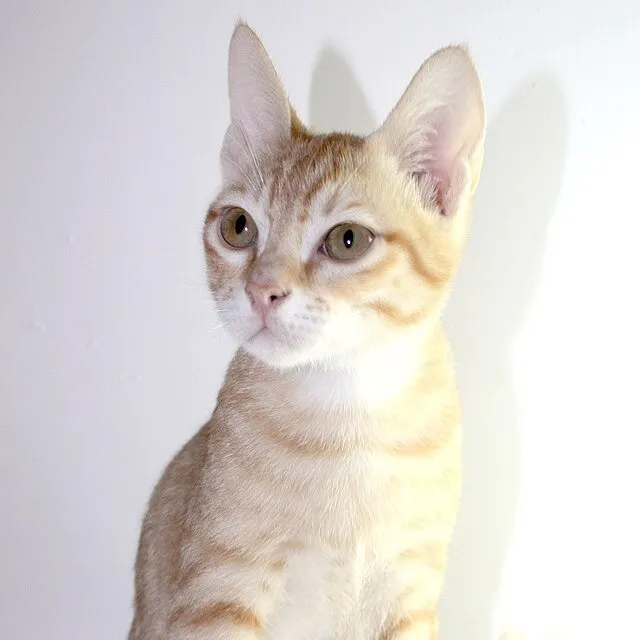
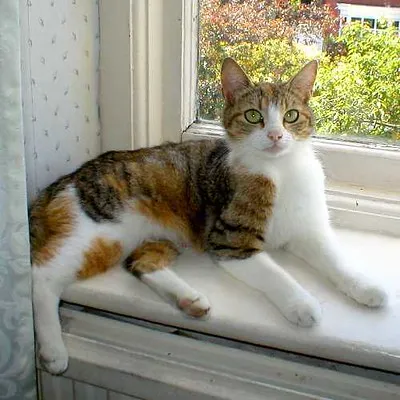
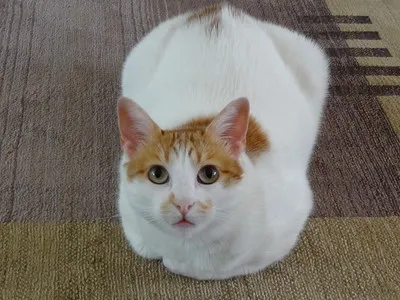
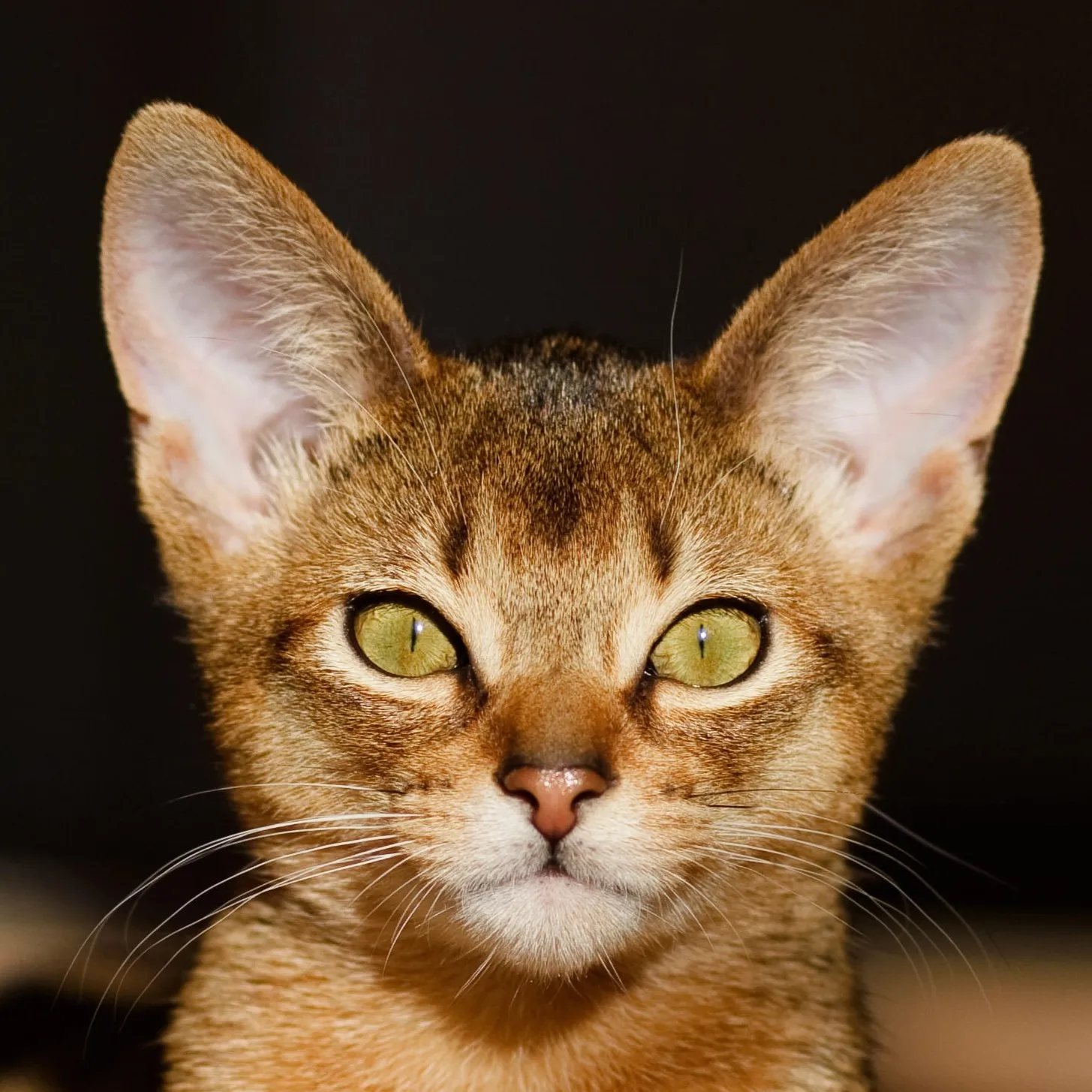
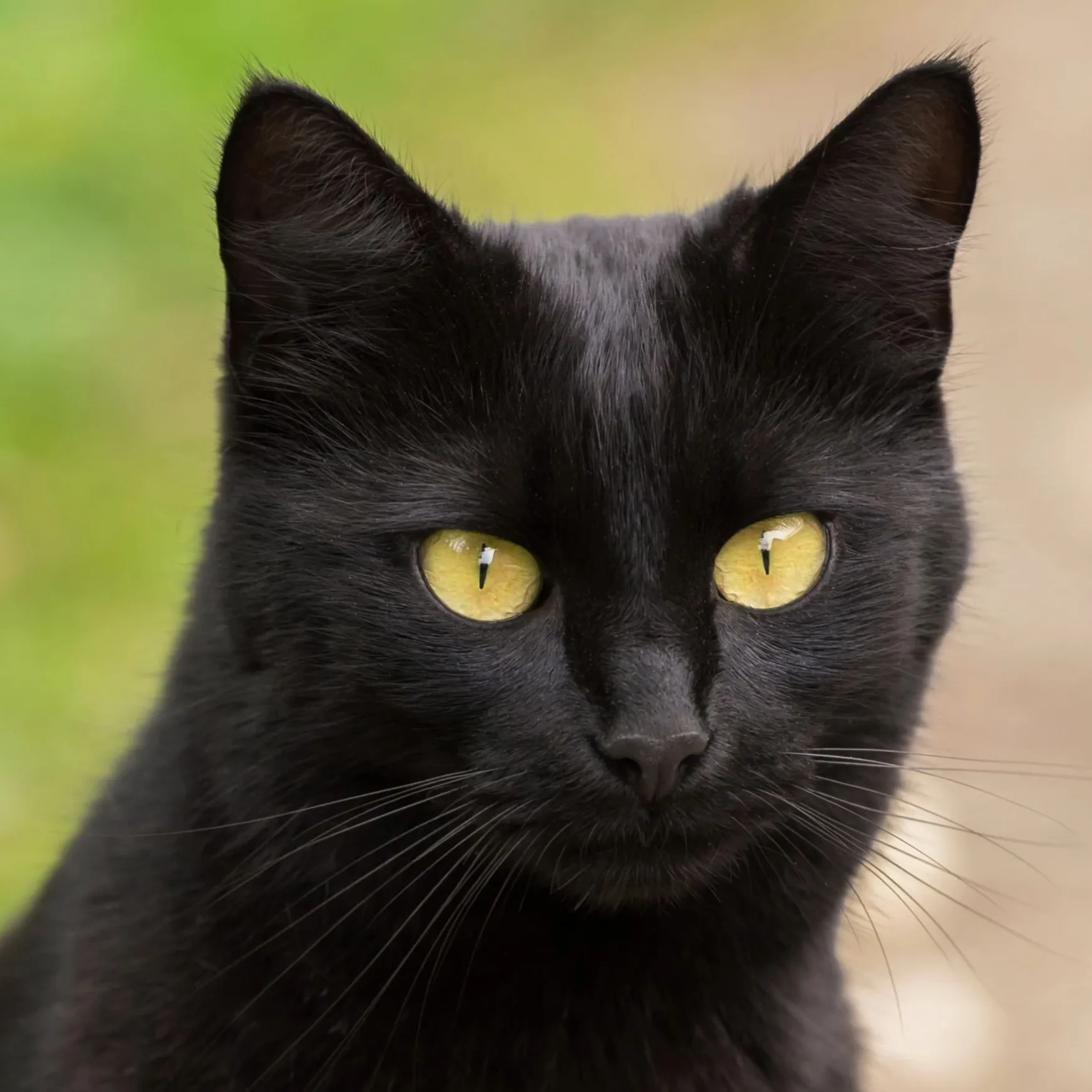
If you’ve ever admired the grace of a street cat and wished you could bring that raw elegance into your home, the Arabian Mau might be the one. This breed has its roots in the deserts of the Middle East, where it evolved naturally over centuries to survive harsh climates. As World Cat Congress notes, the Arabian Mau is one of the oldest natural cat breeds, known for its adaptability and strong health.
Characteristics
Temperament with Kids
Aggressive
Friendly
Playfulness
Silent
Very Playful
Friendliness
Not Friendly
Super Friendly
Shedding amount
Negligible
Frequent
Compatibility with other cats
Not Friendly
Super Friendly
Prey Drive
Low
High
Need for attention
Independent
Very Needy
Monthly Expenses


Lifespan & Price of the Arabian Mau Cat in India
Cost of buying
₹ 30,000 - ₹ 80,000
Lifespan: The Arabian Mau is a hardy natural breed with a lifespan of 12–16 years. Thanks to their desert origins, they’ve evolved into resilient cats that handle varying climates well, but they still need proper nutrition, hydration, and vet care for a long life.
Buying or Adopting an Arabian Mau Cat in India
Since Arabian Maus are a natural breed and not commonly bred in India, sourcing one requires patience and caution. Always choose responsible breeders who provide lineage, vaccination, and health certificates, and avoid unverified sellers marketing “desert cats.”
Nutrition Care for the Arabian Mau
Monthly Food Expenses
₹ 1,500 - ₹ 2,000
Calories per day
Kittens: 200 kcal
Adults: 300 kcal
Essential Nutrients
Protein
Fats
Carbohydrates
Vitamins
Minerals
Amino Acids (Taurine, Arginine, etc.)
Essential Fatty Acids
Fiber
List of foods
Dry kibble
Turkey
Tuna
Chicken (cooked or raw)
Wet canned food
Mackerel
Eggs (cooked)
Plain yogurt (no added sugar)
The Arabian Mau may be a desert-born survivor, but in your home, its diet should be less about scavenging and more about balanced, wholesome nutrition. With their slim yet muscular build and endless energy, these cats thrive on a diet that supports stamina, strong immunity, and overall vitality. In India—where pet owners are increasingly exploring healthier diets beyond just kibble—it’s important to make mindful choices that align with this hardy breed’s natural instincts.
Breakdown of Macro-nutrients
Choosing the Right Food for Arabian Mau Cats
Meat-First Diets: As The Spruce Pets notes, active, muscular breeds thrive best when real meat is the primary ingredient.
Never feed these foods to Arabian Mau
Avoid anything with these ingredients
Onions and Garlic
Caffeine
Chocolate
Alcohol
Grapes and Raisins
Xylitol
Bones
Raw Eggs
Some foods are tempting, but harmful for your Mau:


Health
Avg Monthly Expenses
₹ 500 - ₹ 700
Common Health Issues
Urinary Tract Infections (UTI)
Fleas and Ticks
Dental Problems
Eye Problems
Hairballs
Skin Allergies
Obesity
Gastrointestinal Issues
Activities
Interactive Feeders
Exploring
Climbing
Play with Toys
Hiding Places
Sunbathing
Energy Level
High
Exercise routine
30 - 60 minutes
Recognising Stress
Hiding
Increased vocalization
Changes in litter box behavior
Decreased appetite
Overgrooming
Medical Care
Medical Care for the Arabian Mau Cat
Vaccination details
Growth Stage
Core Vaccines
6-8 Weeks
Feline Distemper (FPV), Calicivirus (FCV), Herpesvirus (FHV-1).
12 Weeks
First booster for Feline Distemper, Calicivirus, Herpesvirus.
16 Weeks
Second booster for Feline Distemper, Calicivirus, Herpesvirus.
12-16 Weeks
Rabies.
Grooming the Arabian Mau Cat
Avg Monthly Expenses
₹ 800 - ₹ 1,500
Shedding Level
Low Shedding
Hygienic Checklist
Feeding
Litter Box
Health Observation
Bathing
Grooming (for some breeds)
Nail Trimming
Benefits of Grooming
Cleanliness
Low Shedding
Odourless
Prevents Bad Breath
Prevents infections
Quality of life
The Arabian Mau might be a desert-born breed, but grooming them in India requires some adjustments to our climate. Luckily, their short, sleek coat is pretty low-maintenance. A weekly brushing session with a soft bristle brush is usually enough to remove loose fur, distribute natural oils, and keep that glossy shine. This also minimizes hairballs, which can otherwise sneak up even in short-haired cats.


Written by
Happy Pet TeamAuthor
Team Happy Pet is a passionate collective of pet experts, enthusiasts, and advocates dedicated to sharing trusted and insightful content.
Our cont
Compare with similar breeds


Frequently Asked Questions
How do I choose a reputable breeder for an Arabian Mau?
Look for breeders who are transparent about their practices and the health of their cats. Reputable breeders should provide health records, allow you to meet the kittens and their parents, and offer a clean and well-maintained environment.
Are Arabian Maus prone to any specific health issues?
While generally healthy, Arabian Maus can be prone to common issues such as dental problems, obesity, and hairballs. Regular veterinary check-ups and proper care can help prevent and manage these issues.
Are Arabian Maus good with children and other pets?
Yes, Arabian Maus are generally friendly and adaptable. They are usually good with children and can get along well with other pets if properly introduced.