Home
/
Cat Breeds
/
American Shorthair
American Shorthair
Origin
United States
Size
Medium Breed
Ideal Space
Apartment
Ideal Weather
15º-30ºC
Life Expectancy
12-15 years
Cost of buying
₹ 10,000 - ₹ 40,000
Top 5 Traits
Playful
Friendly
Independent
Affectionate
Curious
Avg Monthly Expenses
₹ 2,800 - ₹ 4,200

by Happy Pet TeamUpdated on 16 May 2025
Introduction to the American Shorthair
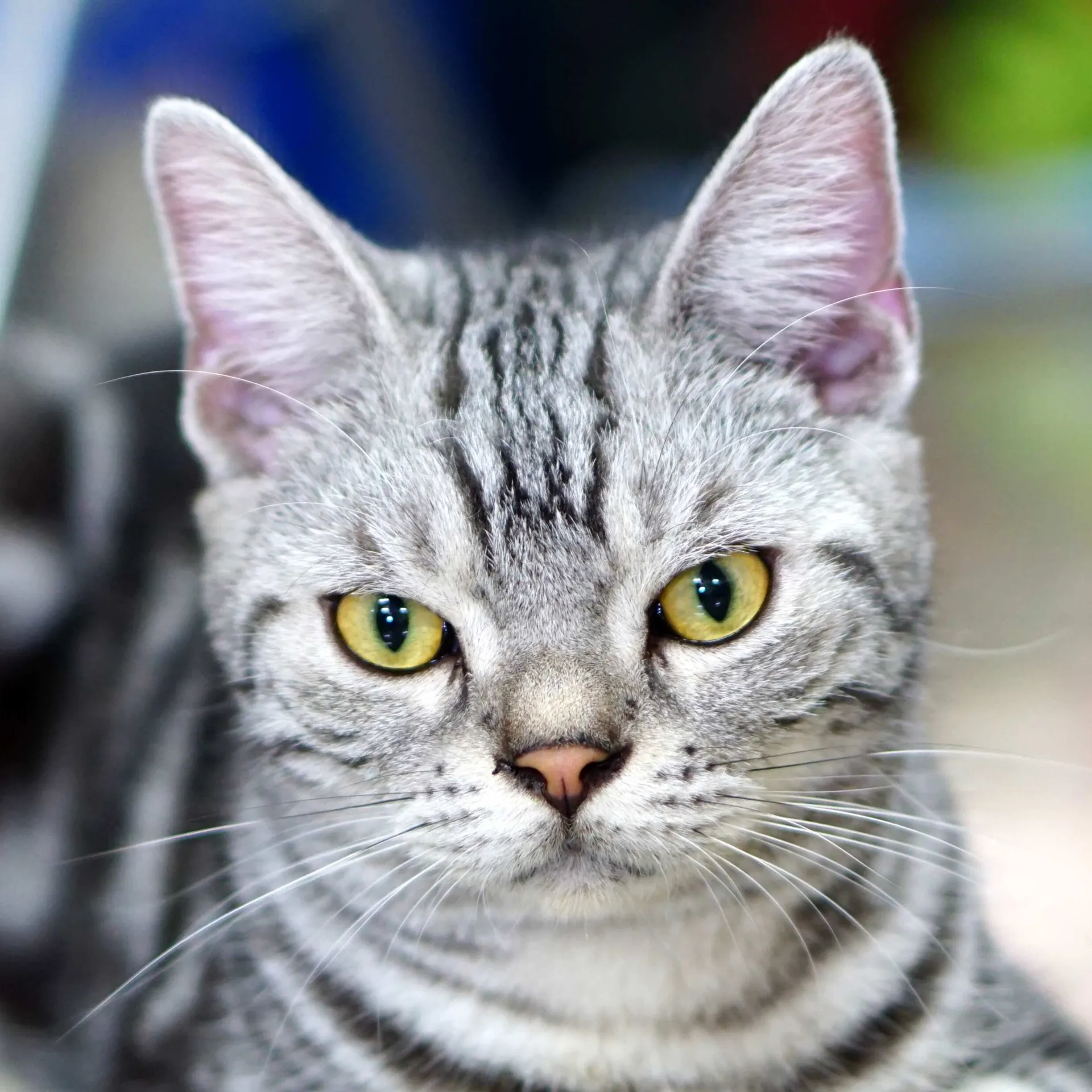
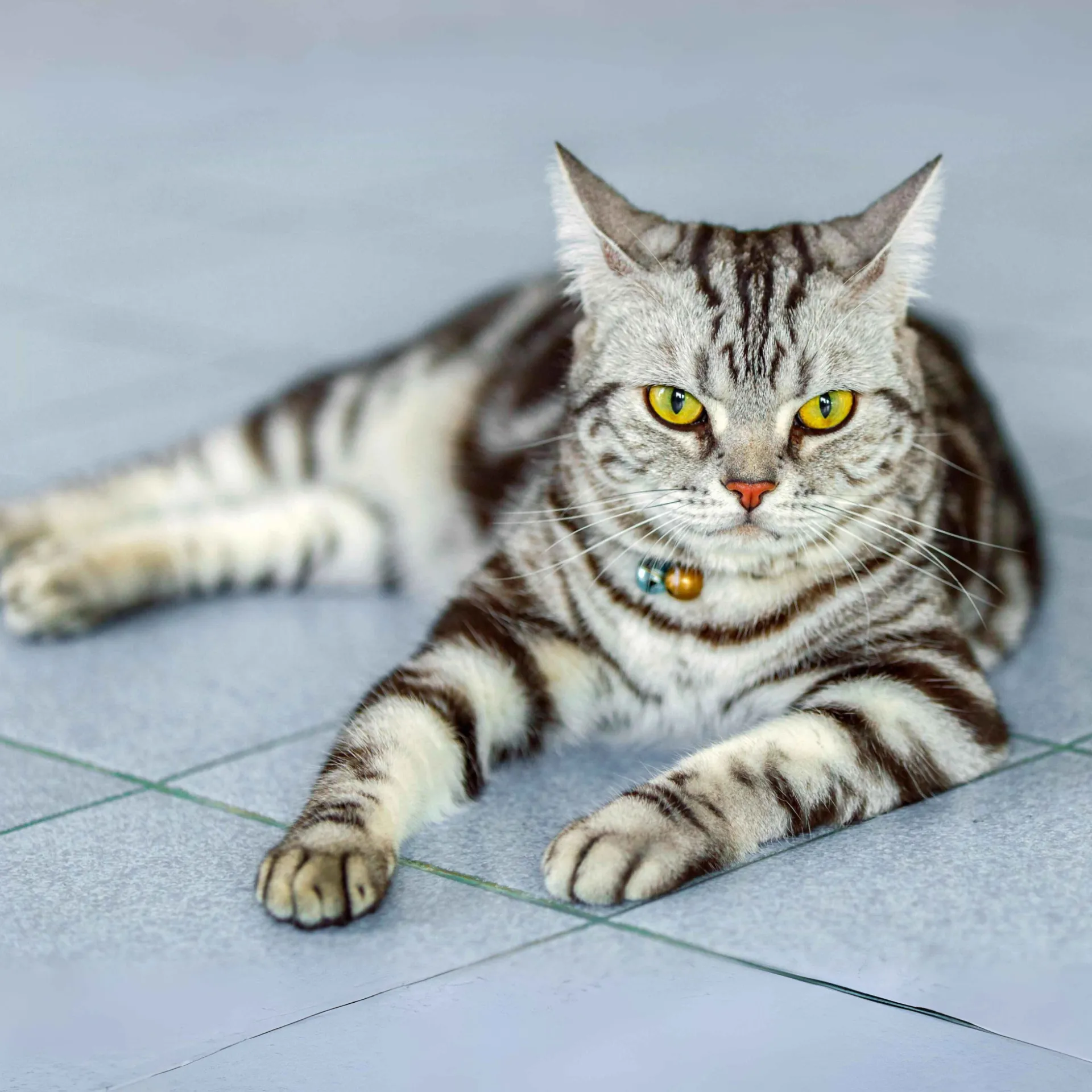
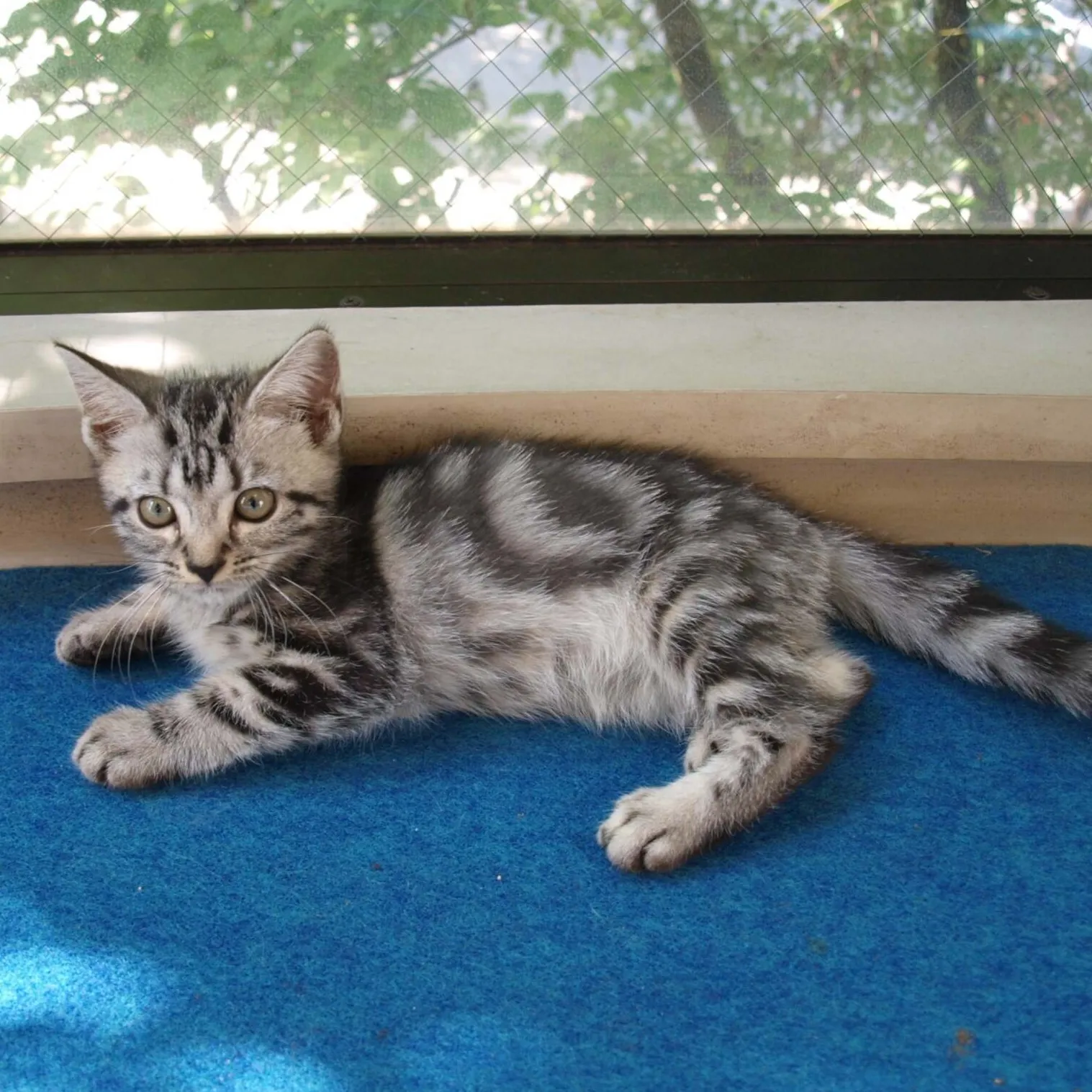
American Shorthair is a breed with good looks, good temperament and strong health. These cats have a history going back to early American settlers, and they were used by people to help remove pests on ships and farms. For centuries, they have become one of the most beloved house cats in the United States.
They are muscular, medium to large and have a dense Coat in many colour patterns. Being calm, adaptable and easy to care for, the American Shorthair makes a great companion for families, singles and seniors alike.
The breed is recognized by official cat registries (such as CFA and TICA) and remains one of the most popular breeds in the U.S.
How Long Do American Shorthairs Live?
American Shorthair cats have a lifespan of 12-20 years if they are given proper care.
American Shorthair Temperament and Personality
- American Shorthair cats are affectionate, calm, and friendly cats.
- They are attention seekers, but they don’t cling to or demand attention constantly.
- They adapt well to both active and quiet homes.
- They are usually patient with children and generally get along with other pets.
Characteristics
Temperament with Kids
Aggressive
Friendly
Playfulness
Silent
Very Playful
Friendliness
Not Friendly
Super Friendly
Shedding amount
Negligible
Frequent
Compatibility with other cats
Not Friendly
Super Friendly
Prey Drive
Low
High
Need for attention
Independent
Very Needy
Monthly Expenses


American Shorthair’s Lifespan and Price
Cost of buying
₹ 10,000 - ₹ 40,000
The price of an American Shorthair cat in India ranges from ₹ 10,000 - ₹ 40,000, depending on pedigree or breeder.
American Shorthair Exercise Needs
Though not overly active, American Shorthairs still need daily movement.
- Playtime – 15–20 minutes of interactive play each day
- Toys – Wand toys, feather chasers, or puzzle feeders
- Climbing posts – Cats enjoy vertical space to stretch and explore
- Hunting games – Satisfy their natural instincts
They are not hyperactive but enjoy moderate daily exercise to stay fit.
Shop or Adopt an American Shorthair: Make the Right Choice!
Responsible shopping will make sure that ethical breeding is taking place while adopting an American Shorthair will give a loving home to a cat that needs it. Pick based on your ability to keep up with their gentle temperament, grooming needs, and lifespan.
Best Practices for Shopping or Adopting an American Shorthair
- Select a good breeder or adoption centre.
- Get health screenings for heart disease and dental problems.
- Observe temperament and socialization levels.
- Vaccination, deworming and medical history should be checked.
- Offer a quiet, reasonably comfortable indoor environment.
- Prevent obesity by maintaining a balanced diet.
- They need to be groomed regularly to manage their dense coat.
- Always ensure you keep routine vet visits as a commitment to lifelong care.
Nutrition Care for the American Shorthair
Monthly Food Expenses
₹ 1,500 - ₹ 2,000
Calories per day
Kittens: 250 kcal
Adults: 200 kcal
Essential Nutrients
Protein
Fats
Carbohydrates
Vitamins
Minerals
Fiber
List of foods
Dry kibble
Wet canned food
Chicken (cooked or raw)
Eggs (cooked)
Cottage cheese
Pumpkin
Carrots (cooked)
- They require high quality protein for the maintenance of muscle.
- Healthy fats support energy levels and a shiny coat.
- Immunity and joint health are strengthened with the help of essential nutrients.
- Taurine is important for heart and vision health.
- Wet food helps in hydration and urinary tract health.
- It is best to avoid low quality foods to prevent obesity and digestion problems.
- A balanced diet of wet food, lean meats and supplements are vital for overall well being.
Feeding Guidelines for American Shorthairs
Kittens (Up to 12 Months)
Give kittens 3–4 meals per day with kitten specific food that is high in protein. By 12 months, transition to adult food.
Adults (1–7 Years)
Feed two measured meals per day. Keep a close eye on weight and adjust portions accordingly.
Seniors (7+ Years)
Change to a senior formula with joint support and fewer calories. Preserve muscle by maintaining levels of protein.
Breakdown of Macro-nutrients
Best Foods for American Shorthairs
American Shorthairs can be fed dry and wet food in a combination that fits their nutritional requirements.
- Royal Canin American Shorthair – Kibble shaped specifically for jaw health with breed specific formula. It also helps maintain a healthy coat and supports muscle tone.
- Purina Pro Plan Weight Management – Great for cats prone to weight gain. This formula controls calories without taking away essential nutrients.
- Instinct Raw Boost Mixers – Increases protein and nutrition in meals. Freeze-dried raw pieces have a higher flavor and give digestive support.
Hill's Science Diet Indoor Adult – Promotes a healthy weight and is easy to digest. It has natural fiber to help reduce hairballs and aid in gut health.
Foods to Avoid for American Shorthairs
Avoid anything with these ingredients
Onions and Garlic
Caffeine
Chocolate
Alcohol
Bones
Raw Eggs
Dairy (in some cases)
Avoid feeding your American Shorthair:

- Artificial preservatives and colors – Can trigger allergies. Over time, they may also cause skin irritation and digestive upset.
- Corn, soy, or wheat fillers – It is difficult to digest and have low nutritional value. All these ingredients provide little nutritional value and can induce bloating or food sensitivities.
- High-carb treats – These can cause unwanted weight gain. Limit the occasional rewards, and when possible, opt for healthier alternatives.
- Foods without taurine – It may lead to heart or eye problems. Cats need taurine for vision, heart development and overall well being.
Onions, garlic, chocolate and raisins are some of the toxic items; even small amounts of these can cause serious or life threatening reactions.

Health
Avg Monthly Expenses
₹ 500 - ₹ 700
Common Health Issues
Dental Problems
Gastrointestinal Issues
Obesity
Upper Respiratory Infections
Fleas and Ticks
Hairballs
Urinary Tract Infections (UTI)
Skin & coat disorders
Activities
Play with Toys
Chasing Objects
Exploring
Climbing
Scratching
Energy Level
Medium
Exercise routine
30 - 60 minutes
Recognising Stress
Hiding
Increased vocalization
Decreased appetite
Overgrooming
Changes in litter box behavior
Healthcare for the American Shorthair
Although American Shorthairs are healthy cats, they still need regular care and checkups.
Common Health Problems of American Shorthairs
- Obesity – Being heavy food lovers, they are prone to weight gain. They need regular play and portion control to stay in shape.
- Hypertrophic Cardiomyopathy (HCM) – A heart disease that occurs in some purebred cats. It can be detected early with routine heart screenings.
- Dental issues – Their short muzzles might cause crowding of their teeth. Plaque can be removed by daily brushing and dental treats.
- Food sensitivities – Some may be sensitive to grains or even additives. If symptoms like itching or vomiting start up, look for limited ingredient or grain free diets.
General Healthcare Tips for American Shorthairs
- Vet visits twice a year – Especially important for senior cats. Regular checkups also catch age-related issues like kidney disease or arthritis early.
- Brush teeth weekly – Use cat-safe toothpaste. It prevents plaque buildup and gum disease.
- Provide indoor play – It supports mental health and keeps weight in check. Interactive toys and climbing trees stimulate both body and mind.
- Schedule vaccinations and keep parasite control up to date. This ensures long term health by protecting against common illnesses.
Use slow-feeders – To stop fast eating and overeating. They also aid digestion and are effective at preventing vomiting after meals.
Senior American Shorthair Care
Senior American Shorthairs require some additional care, so their needs evolve as they get older.
- Switch to senior food – Richer in protein but lower in calories. These diets promote ageing muscles and help manage weight and organ health.
- Use orthopedic beds – Supports joints and comfort. It also helps relieve pressure points and promotes deeper sleep.
- Keep essentials accessible – The food, water, and litter boxes should be easy to reach. To avoid stress on aging joints, avoid stairs or high surfaces.
- Schedule more frequent checkups – Watch for early signs of arthritis, kidney problems, or changes in your weight. The quality of their life is maintained with 2 visits a year to the vet.
Help with grooming – Brushing might be necessary for an older cat. Helping them with grooming prevents mats and keeps their coat clean and healthy.
Vaccination details
Growth Stage
Core Vaccines
6-8 Weeks
Feline Herpesvirus 1 (FVRCP
6-8 Weeks
Rabies
8-10 Weeks
FVRCP booster
8-10 Weeks
Rabies booster
12-16 Weeks
FVRCP booster
12-16 Weeks
Rabies booster
1 year onward
FVRCP booster every 1-3 years
1 year onward
Rabies booster every 1-3 years
American Shorthair Grooming Routine
Avg Monthly Expenses
₹ 800 - ₹ 1,500
Shedding Level
Low Shedding
Hygienic Checklist
Litter Box
Grooming (for some breeds)
Hydration
Health Observation
Play and Exercise
Nail Trimming
Benefits of Grooming
Cleanliness
Low Shedding
Odourless
Prevents Bad Breath
Prevents infections
Grooming the American Shorthair is simple and doesn’t take much time.

- Brushing – Once a week with a soft brush or mitt
- Bathing – Only when needed
- Nail trimming – Every 2–3 weeks
- Ear cleaning – Check weekly and clean with a vet-approved solution
- Teeth cleaning – 2–3 times per week
Similar Breeds to the American Shorthair


Written by
Happy Pet TeamAuthor
Team Happy Pet is a passionate collective of pet experts, enthusiasts, and advocates dedicated to sharing trusted and insightful content.
Our cont
Compare with similar breeds
Frequently Asked Questions
Are American Shorthairs good family pets?
Yes! They are friendly, calm and good with children and other pets.
How do I keep them from getting overweight?
Be sure to measure meals, limit treats and give regular playtime or climbing activities.
How much grooming do they need?
Very little. They should usually be brushed once a week to keep them clean and healthy.
Are they different from regular domestic shorthairs?
Yes, American Shorthairs are a pedigreed breed with consistent traits, unlike randomly bred domestic cats.