Home

/

Bird species

/

Rainbow Lorikeet

Rainbow Lorikeet

Origin

🇦🇺

Australia

Size

Medium Breed

Ideal Weather

18º-30ºC

Avg Monthly Expenses

₹2,500

Basic Lifestyle

₹3,500

Premium Lifestyle

Top 5 Traits

Playful

Intelligent

Social

Energetic

Gentle
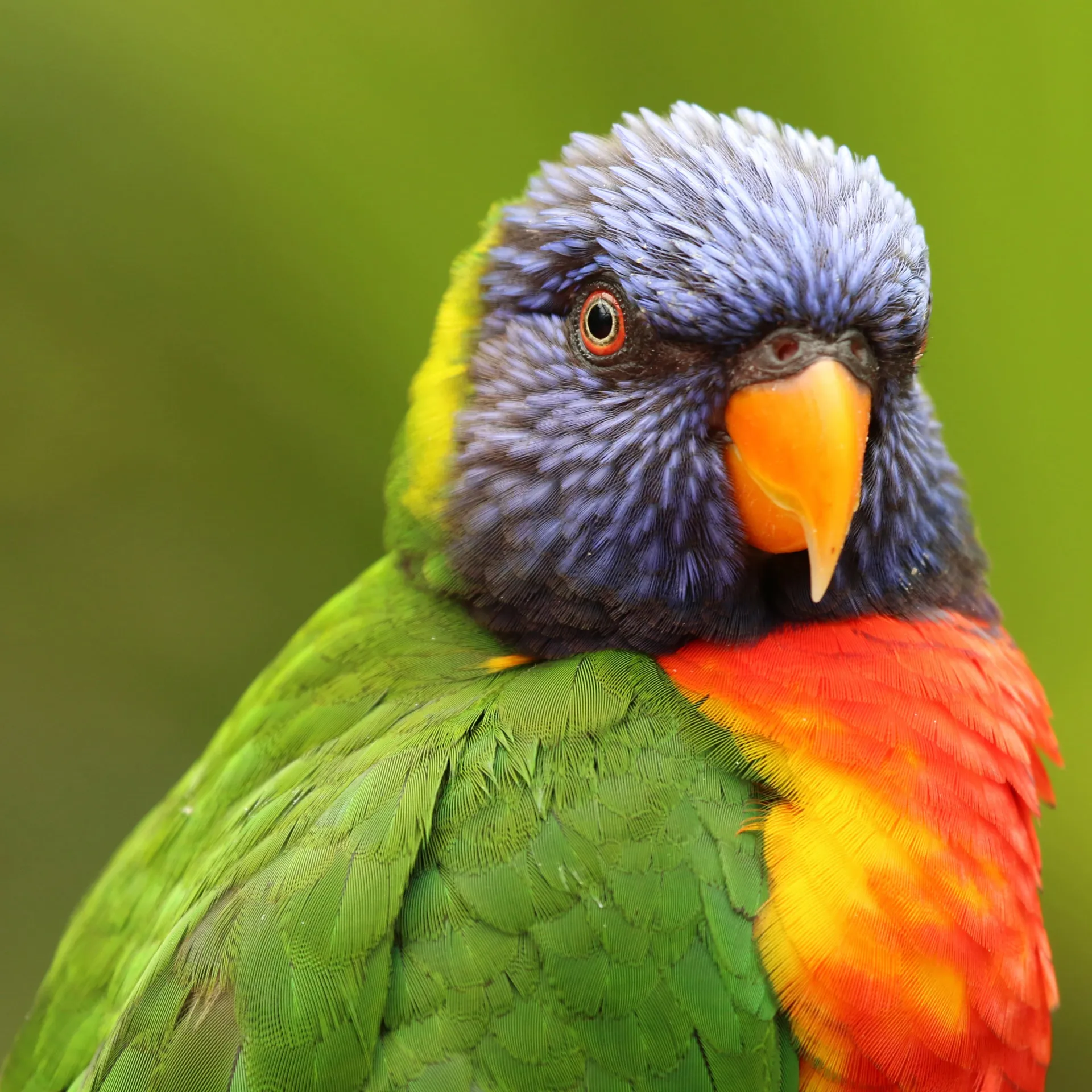
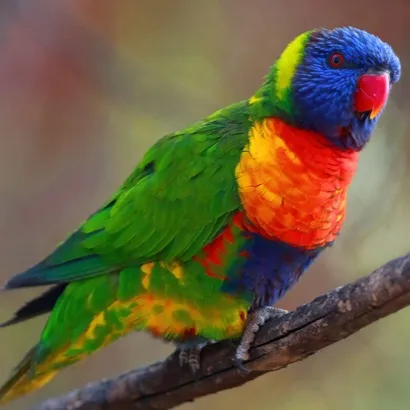
A vibrant Rainbow Lorikeet with a blue head and orange beak stares directly at the viewer
written by image

by Happy Pet TeamUpdated on 17 Jun 2025

Quick Information

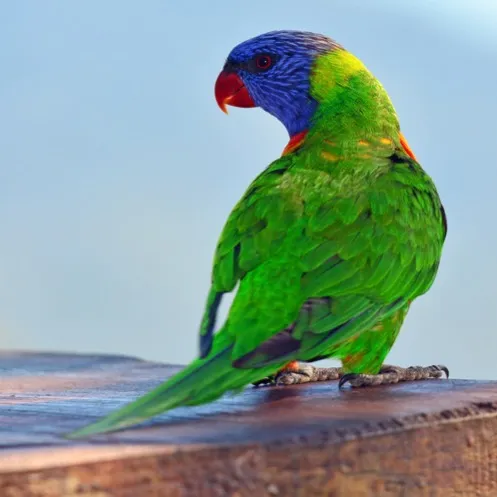
The Rainbow Lorikeet ( Trichoglossus moluccanus ) is a medium-sized, brightly colored parrot found in eastern Australia. These nectar-loving birds have been popular due to their spectacular rainbow colored feathers and social nature over the centuries.

They were originally described as native to the Moluccas, but their native distribution extends throughout Queensland to South Australia and includes Tasmania.

Rainbow Lorikeets were first described by Gmelin in 1788 and are among the most commonly kept lorikeet species in aviculture and are easily identified due to their clown-like, playful antics and chattering calls.

How Long Do Rainbow Lorikeets Live?

With good care, diet, and veterinary care, Rainbow Lorikeets can expect to live 25-30 years in captivity.

Rainbow Lorikeet Temperament and Personality

Rainbow Lorikeets are:

  1. Playful and energetic – Continuous running, climbing or playing around
  2. Highly intelligent – Able to pick up words, tricks and behaviour
  3. Social – Thrive on social contact or company of another lorikeet
  4. Loud and vocal – Called the high-pitched chatterer and squawker
  5. Attention seekers – Easily bored if not mentally stimulated
  6. Nippy when overstimulated – Loves peaceful and regular training

They are loving and inquisitive and need daily hands-on attention.

Rainbow Lorikeet Exercise Needs

Lorikeets are high-energy birds needing:

  1. Minimum 3–4 hours daily out-of-cage time
  2. Large cage/aviary – At least 3m x 2m
  3. Flight space – Indoor or aviary setups
  4. Enrichment – Ropes, foraging puzzles, swings, climbing ladders
  5. Social play – With owners or another lorikeet

Without enough stimulation, they may scream or pluck feathers.

Characteristics

Affection

Not Friendly

Super Friendly

Vocalization

Silent

Vocal

Intelligence

Low

High

Social Behavior

Prefer Isolation

Very Social

about image

Nutrition Care for the Rainbow Lorikeet

Monthly Food Expenses

₹1,500 - ₹ 2,000

Ideal weight

100 - 150 grams

Essential Nutrients

Protein

Carbohydrates

Fats

Vitamins

List of foods

Fruits

Vegetables

Pellets

Sprouts

Leafy Greens

Pasta

Cooked eggs

  1. Birds require quality protein to make their muscles strong and to grow feathers.
  2. Essential fatty acids increase energy and make feathers lustrous.
  3. Essential nutrients help to maintain immunity, bones and joints.
  4. Fresh foods and moist foods assist in hydration and digestion.
  5. Shabby seed combinations should be avoided to avoid obesity and belly problems.

Feeding Guidelines for Rainbow Lorikeets

Juveniles (0–10 weeks): Every 2-3 hours, feed hand-rearing lorikeet formula. By 6 -8 weeks, slowly start mashed fruits and diluted nectar.


Adults (10 weeks–8 years): An appropriate lorikeet diet consists of 30-70% commercial lorikeet mix, 20-50% fresh fruits, 20-30% vegetables, fed twice daily with uneaten wet food removed within 2 hours.

Seniors (8+ years): Keep the same base diet. When the appetite decreases, introduce softer food. Take note of hydration, weight and activity. Smaller and more frequent meals should be fed.

Best Foods for Rainbow Lorikeets

  1. Nectar Replacements: Grapes, apple (without seeds), mango, papaya, berries, pear, melon. Provide fresh fruits every day as a source of natural sugar and water.
  2. Fruits: Broccoli, capsicum, corn, kale, cooked carrots, sweet potato. Excellent source of additional fiber, vitamins, and health.
  3. Vegetables: Broccoli, capsicum, corn, kale, cooked carrots, sweet potato. Excellent source of fiber, vitamins and general wellbeing.
  4. Native Australian Flowers: Bottlebrush, eucalyptus, banksia, grevillea (with a lot of nectar and pollen). These enhance the diet and promote natural foraging instinct.

Foods to Avoid for Rainbow Lorikeets

Avoid anything with these ingredients

Dairy products

High-fat foods

Mushrooms

Onions

Garlic

Avocado

Chocolate

Absolutely avoid:

  1. Seeds & Nuts – Indigestible, and may injure the delicate brush-tongue of the bird.
  2. Avocado – Toxic to birds and contains persin, which is usually fatal.
  3. Chocolate & Caffeine – May cause seizures, rapid heart rate and even death.
  4. Onion & Garlic – Produce blood toxicity and can cause organ damage.
  5. Rhubarb Leaves – Contains a large portion of oxalic acid, poisonous to birds.
  6. Honey & Bread – Ferments in the gut and leads to digestive issues.
  7. Meat & Eggs- Harbor bacteria and are not safe for the bird’s system.
about image

Healthcare for the Rainbow Lorikeet

Avg Monthly Expenses

₹1,000 - ₹1,500

Recognising Stress

Feather Plucking

Excessive Vocalization

Withdrawal or Hiding

Loss of Appetite

Repetitive Movements

Decreased Social Interaction

Hyperactivity

Common Health Issues

Psittacosis

Respiratory Infections

Fatty liver disease

Feather Plucking

Chlamydiosis

Aspergillosis

Candidiasis

Energy Level

High

Preventative measure

Physical checkup every 6-12 months

Annual Blood Work

Beak Assessment

Nail Trimming

Feather Assessment

Mental Stimulation

Physical Stimulation

Common Health Problems of Rainbow Lorikeets

Rainbow Lorikeets are generally hardy birds, but can be prone to respiratory infections and feather mites. Most issues can be prevented with a clean environment, a balanced diet, and regular vet checkups.

  1. Hemochromatosis (Iron Storage Disease) – Foods rich in iron should be avoided, particularly in species that tend to overload.
  2. Lorikeet Paralysis Syndrome (LPS) – Weakness in legs, mostly during summer periods; not fully understood what causes it.
  3. Fungal & Bacterial Infections – Are commonly caused by filthy bowls or bad food--cleanliness is next to godliness.
  4. Psittacosis (Parrot Fever) – An antibiotic-treated zoonotic disease; transmissible to humans.
  5. Beak & Feather Disease (PBFD) – It is a viral, incurable disease that impacts feather and immune health.
  6. Crop Stasis/Infections – Old or spoiled food may retard digestion and infection of the crop.
  7. Obesity – Desserts and a deficiency of flight time affect the health of organs.

General Healthcare Tips for Rainbow Lorikeets

  1. Use Low-Iron Diets – Aids in avoiding iron storage disease, particularly in the delicate species.
  2. Separate Water & Nectar – Provide fresh drinking water in a separate place other than nectar bowls to prevent contamination.
  3. Clean Daily – Keep cages or aviaries hygienic to prevent infections and parasites.
  4. Maintain Stable Temperatures – Optimal range is 21-27 o C to prevent stress caused by rapid changes.
  5. Add Enrichment – Foraging toys and enrichment activities reduce Stress and boredom.

Prerequisites to pet a Rainbow Lorikeet

Time Commitment.

Living Space.

Enrichment Activities.

Regular Cage Cleaning.

Ideal habitat for the Rainbow Lorikeet

Initial Setup Cost

₹3,000 - ₹ 3,500

Monthly Expenses

₹1,000 - ₹ 1,500

Essential Equipment

Bird Cage

Perches

Food/ water dishes

Toys and Enrichment

Bird Bath

Cage Cleaning Brush

Cage Liner Paper

Compatible mates

Scaly-breasted Lorikeets.

Musk Lorikeets.

Purple-crowned Lorikeets.

Red-collared Lorikeets.

  1. Spacious cage (min. 36″×24″×36″) with ½″ bar spacing for climbing and flying.
  2. Smooth, washable surfaces due to liquid droppings.
  3. Plenty of toys for foraging and shredding—rotate weekly.
  4. Bright, social area, free from drafts, with 10–12 hrs of UV or natural light.
written by image

Written by

Happy Pet Team

Author

Team Happy Pet is a passionate collective of pet experts, enthusiasts, and advocates dedicated to sharing trusted and insightful content.

Our cont
 

Compare with similar breeds
Close up of a grey African Grey Parrot with a black beak and yellow eyes

African Grey Parrot

Compare
A brightly colored Conure parrot with orange head and yellow body looks left

Conure

Compare
An Alexandrine parakeet with green plumage a red beak and a pink and black neck ring

Alexandrine Parakeet

Compare

Frequently Asked Questions

Can Rainbow Lorikeets eat seeds?

No-they are unable to digest seeds, and should only consume nectar and fruits.

How often do they need to bathe?

Every day, they like water and require it as a sanitary measure.

Are Rainbow Lorikeets noisy?

Yes. They're loud and chatty, especially in the morning.

Can they be kept in apartments?

Only when noise is not a problem, and you have plenty of flight space.