
Home
/
Bird species
/
Mynah
Mynah
Origin
India
Sri Lanka
Size
Medium Breed
Ideal Weather
20º-30ºC
Avg Monthly Expenses
₹2,500
Basic Lifestyle
₹3,498
Premium Lifestyle
Top 5 Traits
Talkative
Intelligent
Curious
Social
Playful
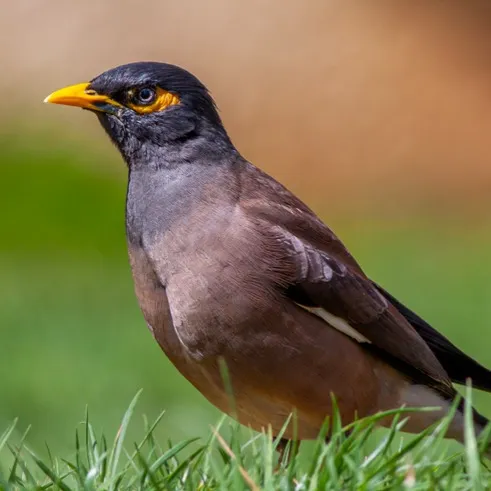
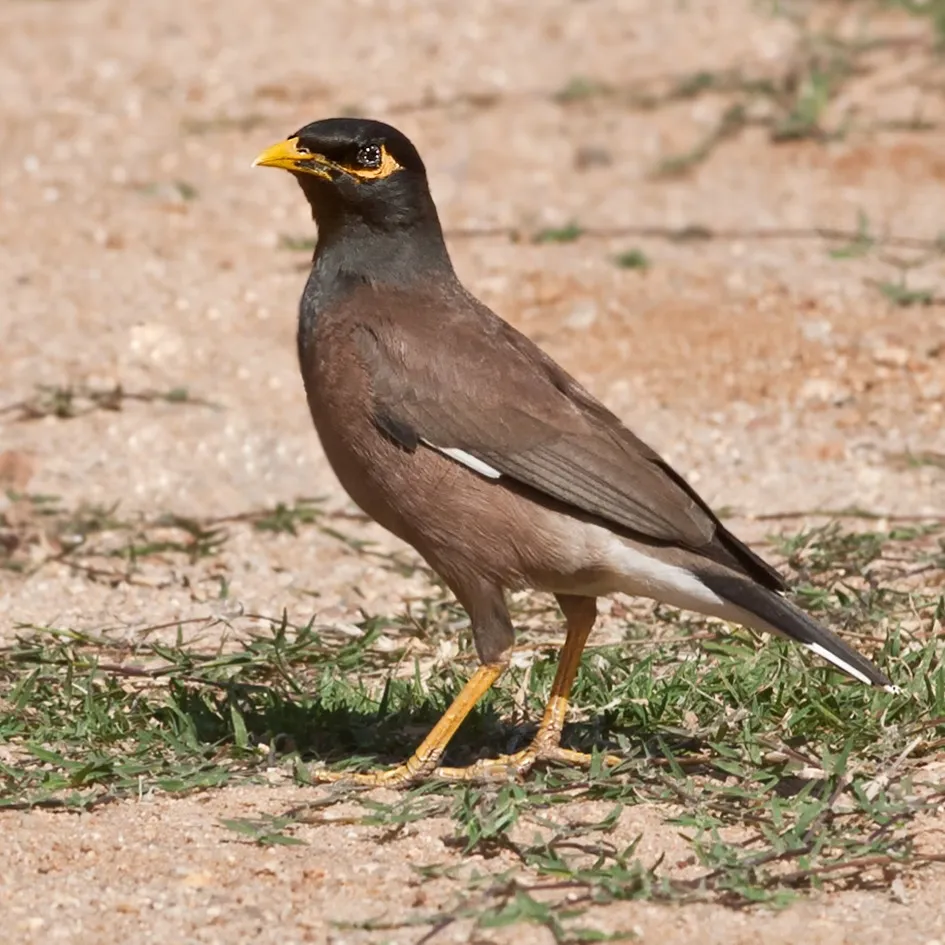
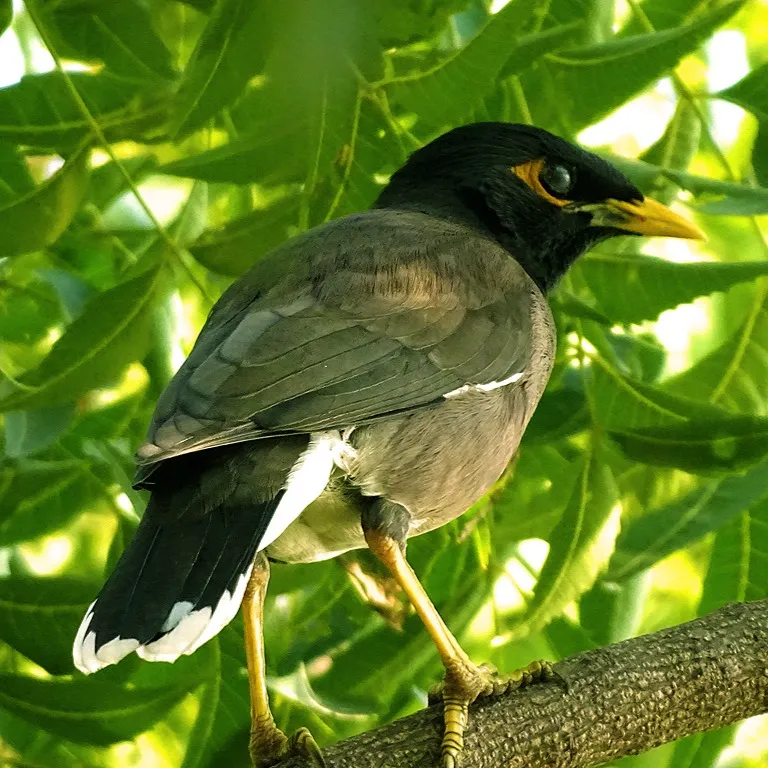

by Happy Pet TeamUpdated on 17 Jun 2025
Introduction to the Mynah
Mynah birds belong to the starling family and are native to Africa, India, Southeast Asia, and Indonesia. They've been introduced around the world and were once considered aristocratic pets in ancient Greece.
Characteristics
Affection
Not Friendly
Super Friendly
Vocalization
Silent
Vocal
Intelligence
Low
High
Social Behavior
Prefer Isolation
Very Social


Nutrition Guidelines for Mynahs
Monthly Food Expenses
₹1,000 - ₹ 1,500
Ideal weight
120 - 140 grams
Essential Nutrients
Protein
Carbohydrates
Fats
Vitamins
Minerals
List of foods
Fruits
Vegetables
Pellets
Cooked eggs
Whole grain breads
Legumes
Amazon Parrots require a balanced diet that contains proteins, vitamins, minerals, and fats. Here is what you should focus on while designing a diet for your bird.
Foods that are harmful to Mynahs
Avoid anything with these ingredients
Dairy products
High-fat foods
Chocolate
Caffeine
Avocado
Onions
Alcohol
Just like how you got an idea of what all the food items should be fed to your pet bird. It is also essential to know what food items can cause harm to your pet. Here is a list of those food items that should be avoided-


Healthcare Guide for Mynah
Avg Monthly Expenses
₹1,500 - ₹1,998
Recognising Stress
Feather Plucking
Tail Bobbing
Excessive Vocalization
Aggression
Withdrawal or Hiding
Loss of Appetite
Repetitive Movements
Common Health Issues
Respiratory Infections
Psittacosis
Fatty liver disease
Chlamydiosis
Aspergillosis
Feather Plucking
Energy Level
High
Preventative measure
Physical checkup every 6-12 months
Annual Blood Work
Beak Assessment
Feather Assessment
Nail Trimming
Environmental Enrichment
Mental Stimulation
Physical Stimulation
Common health issues found in Mynahs
- Hemochromatosis: This is a liver disease caused by too much iron building up in a myna’s body. It often happens when their diet is too rich in iron. So, switching to low-iron foods and avoiding iron-fortified products can help prevent this. In severe cases, a vet might recommend chelation therapy to reduce iron levels.
- Trichomonosis: A parasitic infection caused by Trichomonas gallinae. It creates lesions in the mouth and throat, making it painful to eat or drink. Left untreated, it can lead to dehydration and death.
- Protozoan Parasites: Mynas can carry blood parasites like Haemoproteus and Plasmodium (avian malaria). These affect red blood cells, causing fatigue, anemia, and general weakness.
- Zoonotic Diseases: These are illnesses mynas can pass to humans, like bird flu or salmonella. They don’t always show symptoms in birds but can be dangerous to people.
Prerequisites to pet a Mynah
Time Commitment.
Noise Tolerance.
Living Space.
Enrichment Activities.
Ideal habitat for Mynahs
Initial Setup Cost
₹3,000 - ₹ 3,500
Monthly Expenses
₹1,000 - ₹ 1,500
Essential Equipment
Bird Cage
Perches
Food/ water dishes
Toys and Enrichment
Cage Liner Paper
Bird Bath
Cage Cleaning Brush
Compatible mates
Budgerigars.
Cockatiels.
Lovebirds.
- Mynahs need a spacious cage with room to fly and explore.
- Add perches at different heights and plenty of toys for stimulation.
- Keep food, water, and a bird bath easily accessible.
- Maintain a comfy temperature between 20°C to 30°C.
- Place the cage in bright, draft-free areas and clean it regularly.
Written by
Happy Pet TeamAuthor
Team Happy Pet is a passionate collective of pet experts, enthusiasts, and advocates dedicated to sharing trusted and insightful content.
Our cont
Compare with similar breeds
Frequently Asked Questions
What is the ideal habitat for a Mynah bird?
An ideal habitat includes a spacious cage with perches, food and water dishes, toys for enrichment, and a bird bath. The environment should be warm, with temperatures between 20°C and 30°C.
What do Mynah birds eat?
Mynah birds should be fed a diet rich in fresh fruits, vegetables, insects, cooked eggs, specially formulated pellets, whole grain breads, and legumes.
Are Mynah birds good pets?
Mynah birds can make excellent pets for those who can provide them with plenty of social interaction, mental stimulation, and a balanced diet. They are intelligent, social, and can mimic human speech.