
Home
/
Bird species
/
Jenday Conure
Jenday Conure
Origin
Brazil
Size
Medium Breed
Ideal Weather
18º-28ºC
Avg Monthly Expenses
₹2,500
Basic Lifestyle
₹3,500
Premium Lifestyle
Top 5 Traits
Friendly
Playful
Social
Intelligent
Affectionate

by Happy Pet TeamUpdated on 30 Sept 2025
Introduction to Jenday Conures
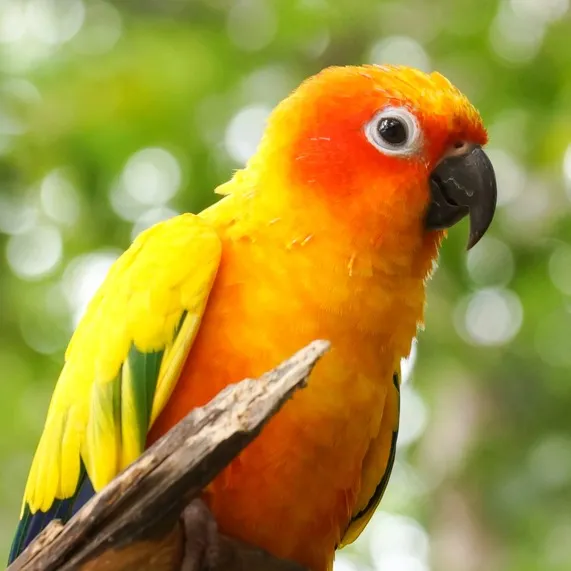
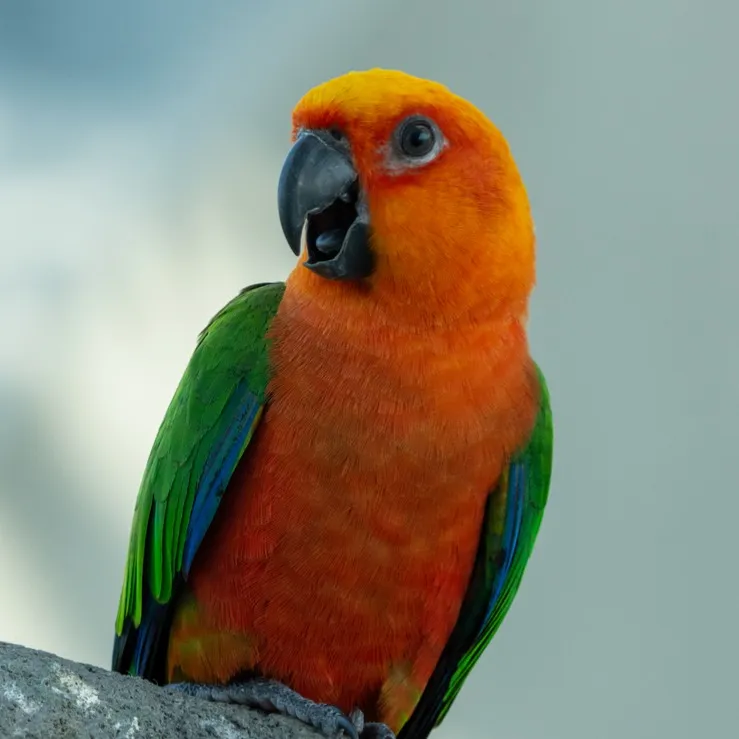
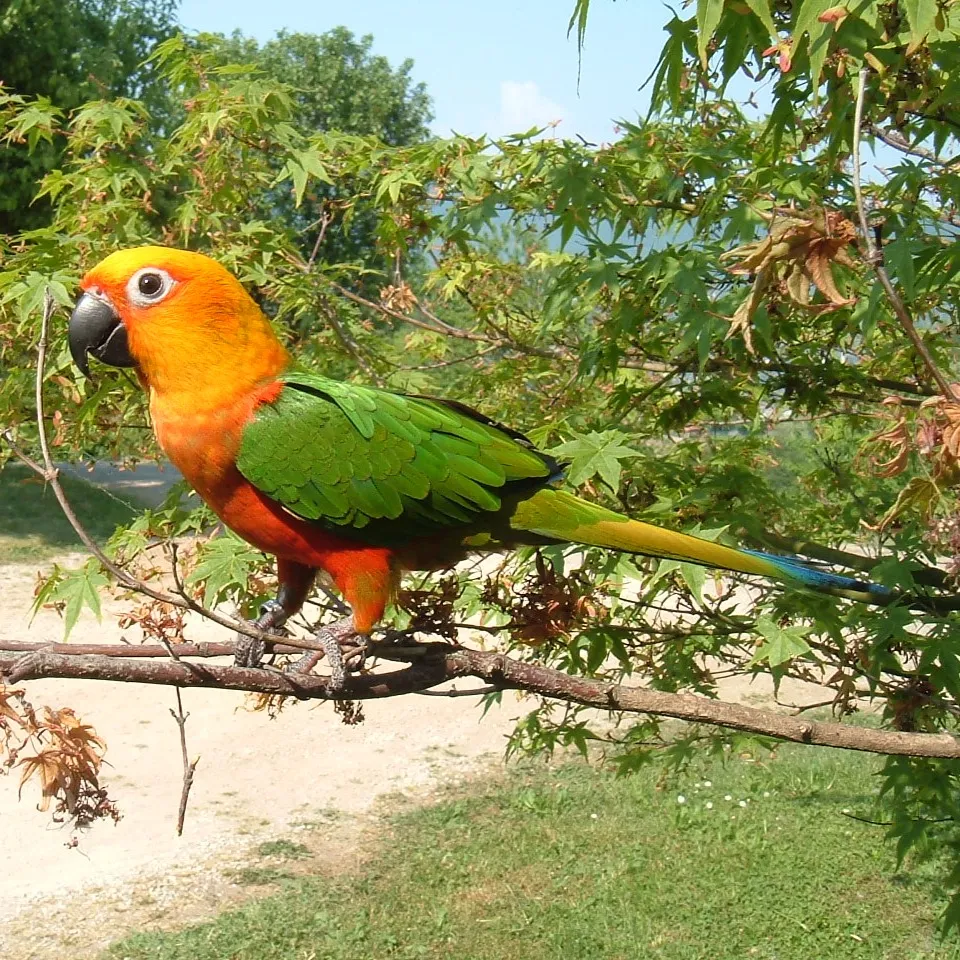
The Jenday Conure is a lively, affectionate parrot from northeastern Brazil, famous for its dazzling mix of orange, yellow, and green feathers. Beyond their beauty, they’re playful, social, and smart, quickly forming strong bonds with their human companions. Often called “small birds with big personalities,” Jendays love attention and thrive when they’re part of the family’s daily life.
Characteristics
Affection
Not Friendly
Super Friendly
Vocalization
Silent
Vocal
Intelligence
Low
High
Social Behavior
Prefer Isolation
Very Social


Nutrition Guidelines for Jenday Conures
Monthly Food Expenses
₹1,500 - ₹ 2,000
Ideal weight
125 - 150 grams
Essential Nutrients
Protein
Carbohydrates
Fats
Vitamins
Minerals
List of foods
Seeds
Fruits
Vegetables
Nuts
Legumes
Pellets
Sprouts
Jenday Conures require a balanced diet that contains proteins, vitamins, minerals, and fats. Here is what you should focus on while designing a diet for your bird.
Foods that are harmful to Jenday Conures
Avoid anything with these ingredients
Dairy products
High-fat foods
Mushrooms
Onions
Garlic
Chocolate
Caffeine
Just like how you got an idea of what all the food items should be fed to your pet bird. It is also essential to know what food items can cause harm to your pet. Here is a list of those food items that should be avoided-


Healthcare Guide for Jenday Conures
Avg Monthly Expenses
₹1,000 - ₹1,500
Recognising Stress
Feather Plucking
Excessive Vocalization
Aggression
Withdrawal or Hiding
Loss of Appetite
Changes in Sleep Patterns
Weight Loss
Common Health Issues
Respiratory Infections
Fatty liver disease
Feather cysts
Psittacine Beak and Feather Disease (PBFD)
Polyomavirus
Feather Plucking
Pacheco's Disease
Energy Level
High
Preventative measure
Physical checkup every 6-12 months
Annual Blood Work
Annual Fecal Exam
Beak Assessment
Nail Trimming
Feather Assessment
Mental Stimulation
Physical Stimulation
Common Health Issues found in Jenday Conures
- Psittacine Beak and Feather Disease (PBFD): A viral disease that affects both feathers and the immune system.
- Feather plucking: Often a sign of boredom, stress, or not enough mental stimulation.
- Nutritional gaps: Can happen if their diet is all seeds without variety.
- Respiratory problems: Usually caused by poor air quality or dusty environments.
- Obesity: Can develop if they get too many nuts and seeds and don’t get enough exercise.
Prerequisites to pet a Jenday Conure
Time Commitment.
Noise Tolerance.
Living Space.
Enrichment Activities.
Ideal Habitat for Jenday Conures
Initial Setup Cost
₹3,000 - ₹ 3,500
Monthly Expenses
₹1,500 - ₹ 2,000
Essential Equipment
Bird Cage
Perches
Food/ water dishes
Cage Liner Paper
Toys and Enrichment
Bird Bath
Cuttle Bone
Compatible mates
Sun Conure.
Green-Cheeked Conure.
Nanday Conure.
Blue-Crowned Conure.
- Minimum cage size: 24” x 24” x 36” with bar spacing of ½–¾ inch.
- Add plenty of climbing toys, swings, and chewable wood toys.
- Offer foraging puzzles to keep them mentally active.
- Provide at least 3–4 hours of daily out-of-cage time.
- Cage placement: in a lively, well-lit area of the home where they feel included.
Written by
Happy Pet TeamAuthor
Team Happy Pet is a passionate collective of pet experts, enthusiasts, and advocates dedicated to sharing trusted and insightful content.
Our cont
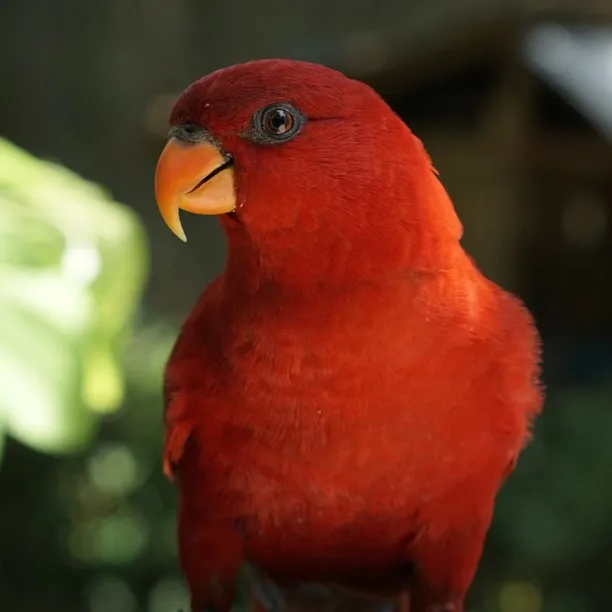
Compare with similar breeds
Frequently Asked Questions
How much space does a Jenday Conure need?
They require a spacious cage with enough room for flight and movement, along with various perches and toys for enrichment.
Are Jenday Conures good for beginners?
They can be suitable for beginners who are prepared for their noise level and are willing to invest time in their care and enrichment activities.
Are Jenday Conures noisy?
Yes, they can be quite vocal and are known for their loud calls.