Home

/

Bird species

/

Galah

Galah

Origin

🇦🇺

Australia

Size

Medium Breed

Ideal Weather

15º-30ºC

Avg Monthly Expenses

₹2,500

Basic Lifestyle

₹3,500

Premium Lifestyle

Top 5 Traits

Playful

Intelligent

Affectionate

Energetic

Social
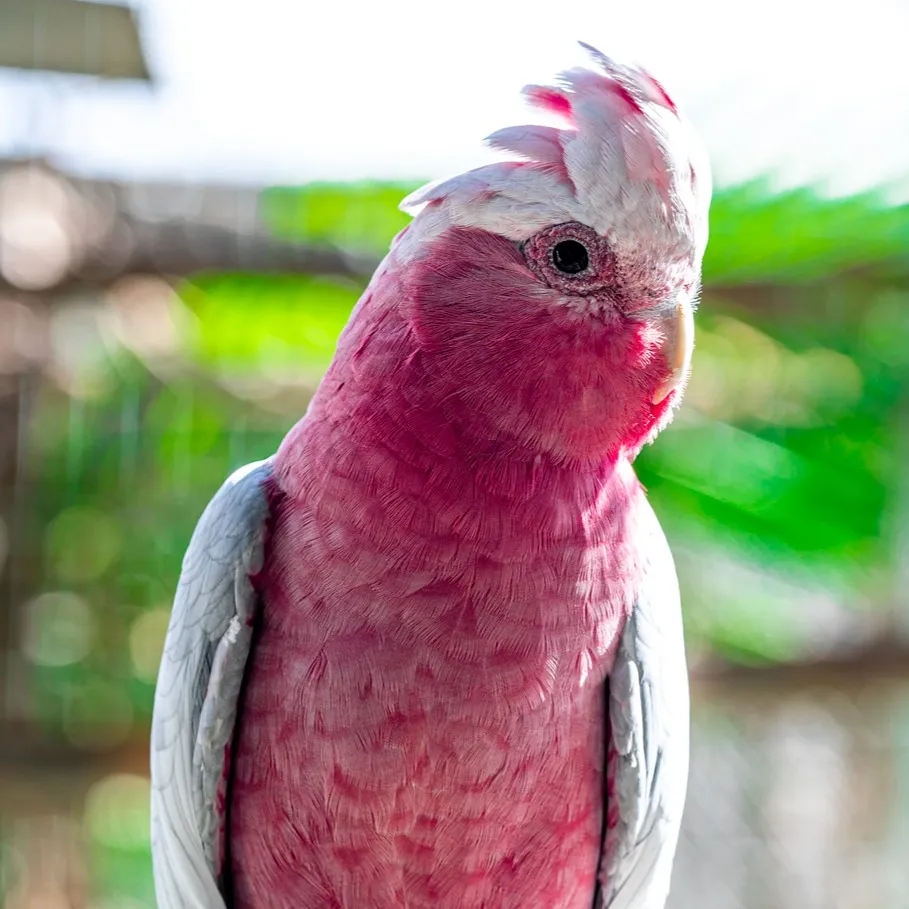
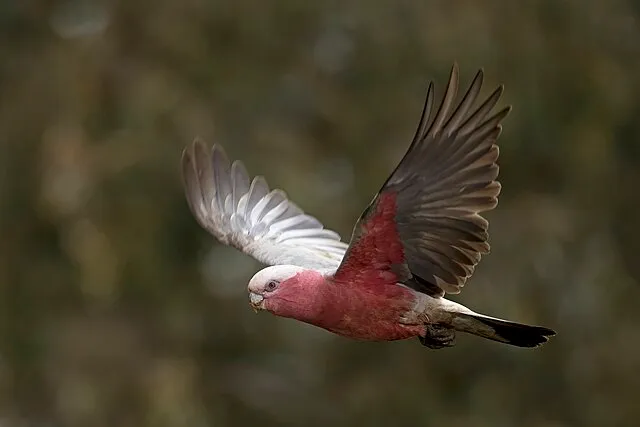
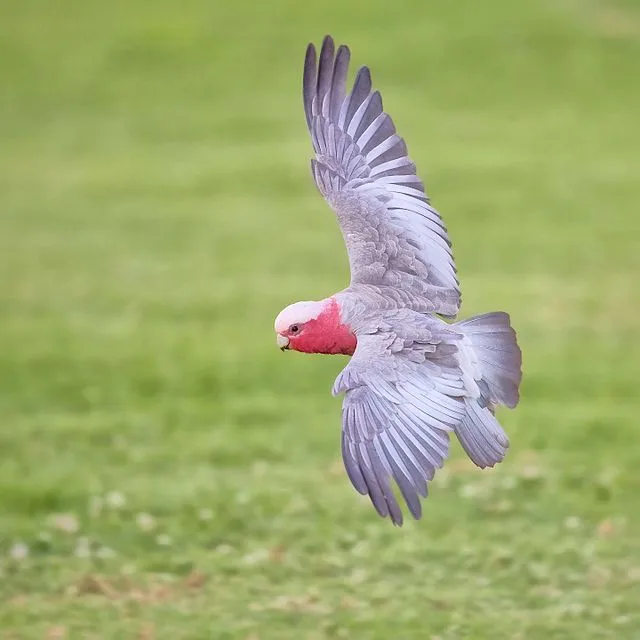
A Galah cockatoo with pink feathers on its body and head and gray wings looks right
written by image

by Happy Pet TeamUpdated on 25 Sept 2025

Quick Information

The Galah, often called the Rose-breasted Cockatoo, is one of Australia’s most beloved parrots. With its soft gray wings and that unmistakable splash of pink across its chest and face, it’s a bird that’s hard to miss and even harder not to admire.

But Galahs are more than just beautiful—they’re intelligent, cheeky, and full of personality. Many learn to talk, mimic sounds, and absolutely love being part of family life. That said, they do need plenty of attention, space, and things to keep their curious minds busy, so they’re happiest with owners who are ready to give them the time and care they deserve.

Lifespan of Galahs

With proper care, Galahs can live 40 to 50 years in captivity, and some have been known to reach 60+ years. With proper care and attention, they can outlive their peers. In the wild, however, their life span can be shortened because of the predators and harsh environmental conditions.

Physical Characteristics of Galahs

  1. The Galah is a medium-sized parrot, usually about 12–15 inches (30–38 cm) long and weighing around 270–350 grams—just the right size to perch comfortably on your arm.
  2. Its looks are unforgettable: a rosy-pink face, chest, and belly paired with soft gray wings, back, and tail. On top sits a short, rounded crest that ranges from pale pink to white, which they often raise when excited or curious.
  3. Their beak is light and curved, perfect for cracking seeds and exploring toys. And if you look closely at their eyes, you’ll notice a lovely detail—males usually have a darker brown gaze, while females tend to show a warmer reddish-brown sparkle.

Temperament of Galahs

  1. Playful and full of energy. They love toys, climbing, and foraging.
  2. Deeply affectionate and form strong bonds with their humans.
  3. Very social and dislikes being left alone.
  4. Vocal birds that can pick up words, whistles, and sounds.
  5. Clever but mischievous—often figuring out latches or sneaking into trouble.
  6. Need lots of attention and enrichment to prevent boredom or destructive habits.

Characteristics

Affection

Not Friendly

Super Friendly

Vocalization

Silent

Vocal

Intelligence

Low

High

Social Behavior

Prefer Isolation

Very Social

about image

Nutrition Guidelines for Galahs

Monthly Food Expenses

₹1,500 - ₹ 2,000

Ideal weight

300 - 400 grams

Essential Nutrients

Protein

Carbohydrates

Fats

Vitamins

Minerals

List of foods

Seeds

Nuts

Fruits

Vegetables

Leafy Greens

Cooked eggs

Pellets

Galahs require a balanced diet that contains proteins, vitamins, minerals, and fats. Here is what you should focus on while designing a diet for your bird.

  1. Protein-rich food helps in muscle development and growth.
  2. Fats are used in a balanced fashion that helps in providing energy and lustrous feathers.
  3. Nutrients that support immunity, bone development and joint health.


Best food to feed your Galahs

Here are some of the best food items that you can feed your Galahs-

  1. Include seeds and pellets as the base food.
  2. Include vegetables like bell peppers, carrots and leafy greens in their diet.
  3. You can also feed them fruits like apples, strawberries, papaya, mangoes and cherries.
  4. Keeping them hydrated is equally important. Provide clean water in adequate amounts.

Foods that are harmful to Galahs

Avoid anything with these ingredients

Dairy products

High-fat foods

Mushrooms

Onions

Garlic

Chocolate

Just like how you got an idea of what all the food items should be fed to your pet bird. It is also essential to know what food items can cause harm to your pet. Here is a list of those food items that should be avoided-


  1. Avoid food items that have a high amount of fat, which leads to obesity.
  2. You should not feed them foods like chocolates, avocado, alcohol, caffeine, onion, and garlic that can cause serious issues to their digestive system.
  3. Do not feed them food that contains high amounts of salt. This can cause serious damage to their kidneys and cause dehydration.
  4. Meat can have bacteria and cause infections in birds.
  5. Dairy products should be avoided as birds do not have the enzymes that can digest lactose.
  6. Avoid Xylitol, which is a sugar substitute, as this is toxic for birds.
about image

Healthcare Guide for Galahs

Avg Monthly Expenses

₹1,000 - ₹1,500

Recognising Stress

Feather Plucking

Tail Bobbing

Excessive Vocalization

Aggression

Withdrawal or Hiding

Loss of Appetite

Repetitive Movements

Common Health Issues

Psittacosis

Respiratory Infections

Fatty liver disease

Feather Plucking

Psittacine Beak and Feather Disease (PBFD)

Aspergillosis

Nutritional Deficiencies (e.g., Vitamin A deficiency)

Energy Level

High

Preventative measure

Physical checkup every 6-12 months

Annual Blood Work

Annual Fecal Exam

Beak Assessment

Feather Assessment

Nail Trimming

Environmental Enrichment

Common Health Issues Found in Galah Birds

  1. They may get nutritional deficiencies in case of an improper seed-based diet.
  2. Due to a lack of exercise and fatty food, these birds can become obese, followed by long-term diseases.
  3. Poor ventilation and excessive exposure to dust can lead to respiratory infections.
  4. Staying in unclean enclosures, they can be affected by parasites


General Health Care Tips for Galahs

  1. Schedule yearly vet visits with an avian specialist to detect any health conditions at the early stages.
  2. Provide regular baths and misting for the feather care.
  3. Encourage them to play and provide enough space for them to play around to keep them active and healthy.
  4. Ensure regular vet checkups (avian specialist).Maintain a clean, dust-free environment.

Prerequisites to pet a Galah

Time Commitment.

Noise Tolerance.

Enrichment Activities.

Living Space.

Ideal Habitat for Galahs

Initial Setup Cost

₹3,000 - ₹ 3,500

Monthly Expenses

₹100 - ₹ 1,500

Essential Equipment

Bird Cage

Perches

Food/ water dishes

Cage Liner Paper

Mineral Block

Cage Cleaning Brush

Toys and Enrichment

Compatible mates

Sulphur-crested Cockatoo.

Major Mitchell’s Cockatoo.

Little Corella.

Long-billed Corella.

  1. Provide a minimum 36” x 28” x 48” with strong bars (larger aviary recommended).
  2. Provide natural wood perches of different sizes and textures.
  3. Give them chewable toys, foraging puzzles, swings, and ropes.
  4. Several hours daily outside the cage for flying or climbing.
  5. They must be kept in a stimulating, interactive household.
written by image

Written by

Happy Pet Team

Author

Team Happy Pet is a passionate collective of pet experts, enthusiasts, and advocates dedicated to sharing trusted and insightful content.

Our cont
 

Compare with similar breeds
Close up of a grey African Grey Parrot with a black beak and yellow eyes

African Grey Parrot

Compare
A brightly colored Conure parrot with orange head and yellow body looks left

Conure

Compare
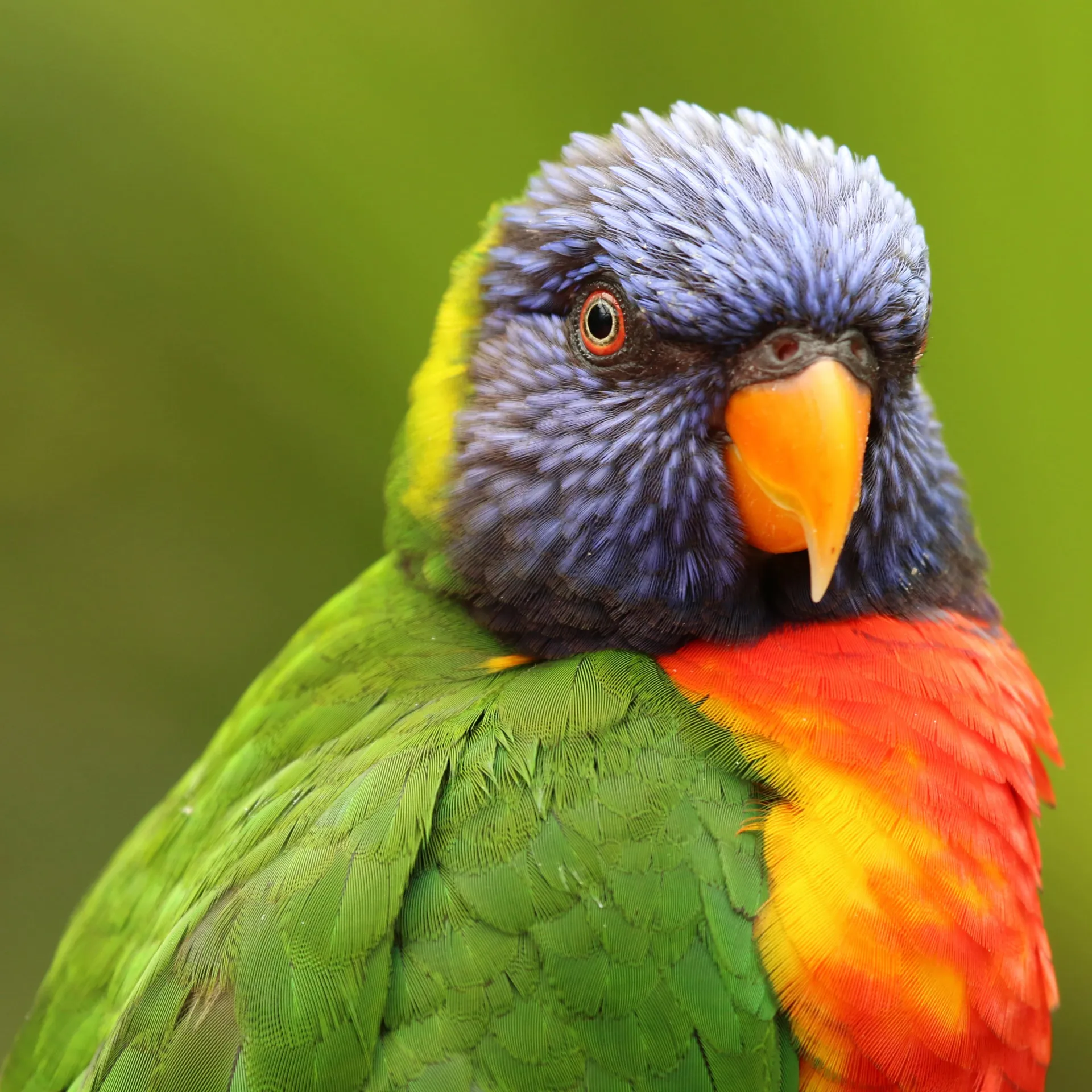
A vibrant Rainbow Lorikeet with a blue head and orange beak stares directly at the viewer

Rainbow Lorikeet

Compare
An Alexandrine parakeet with green plumage a red beak and a pink and black neck ring

Alexandrine Parakeet

Compare

Frequently Asked Questions

Are Galahs good pets?

Yes, but they require experienced, committed owners due to their long lifespan and social needs.

Can Galahs talk?

Yes, many Galahs are talented mimics and can learn words and sounds.

How long do Galahs live?

Typically 40–50 years, with some living even longer.

Are Galahs noisy?

They can be loud, especially if bored or seeking attention.

Do Galahs need a lot of exercise?

Yes, daily out-of-cage time is essential to prevent obesity and boredom.