
Home
/
Bird species
/
European Starling
European Starling
Origin
South Asia
Europe
North America
Size
Small Breed
Ideal Weather
10º-25ºC
Avg Monthly Expenses
₹2,500
Basic Lifestyle
₹3,500
Premium Lifestyle
Top 5 Traits
Social
Intelligent
Curious
Energetic
Talkative

by Happy Pet TeamUpdated on 25 Sept 2025
Introduction to European Starlings
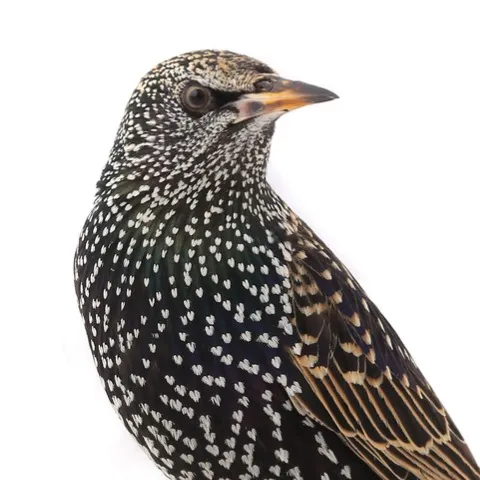
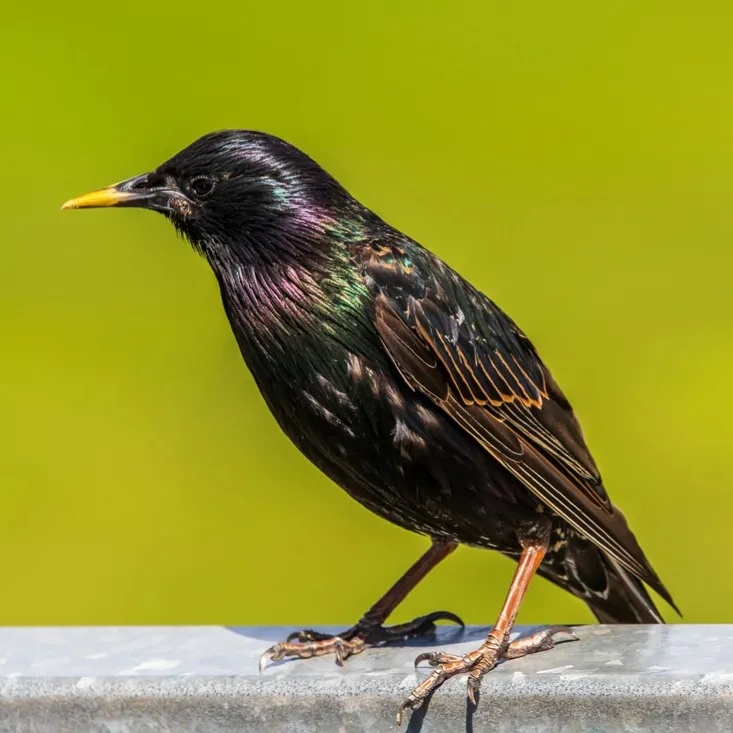
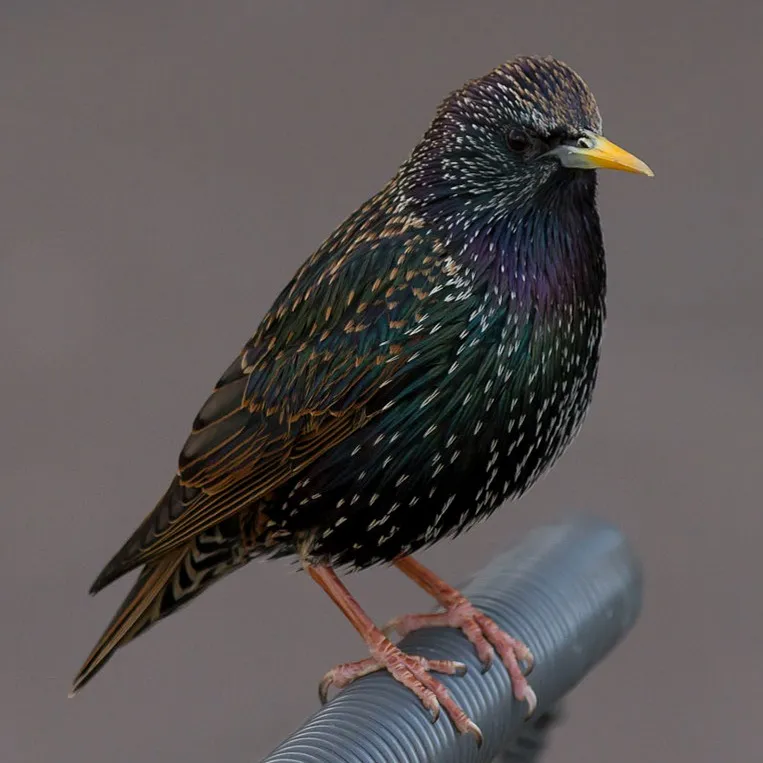
The European Starling, also known as Sturnus Vulgaris, is a medium-sized bird. These birds are originally from Europe and Asia. However, they are found worldwide due to intentional introductions.
Characteristics
Affection
Not Friendly
Super Friendly
Vocalization
Silent
Vocal
Intelligence
Low
High
Social Behavior
Prefer Isolation
Very Social


Nutrition Guidelines for European Starlings
Monthly Food Expenses
₹1,500 - ₹ 2,000
Ideal weight
75 - 90 grams
Essential Nutrients
Protein
Carbohydrates
Fats
Vitamins
Minerals
List of foods
Nuts
Seeds
Vegetables
Pellets
Cooked eggs
Legumes
Whole grain breads
European Starlings require a balanced diet that contains proteins, vitamins, minerals, and fats. Here is what you should focus on while designing a diet for your bird.
Foods that are harmful to European Starlings
Avoid anything with these ingredients
Dairy products
High-fat foods
Mushrooms
Onions
Garlic
Salty snacks
Fish
Chocolate
Caffeine
Just like how you got an idea of what all the food items should be fed to your pet bird. It is also essential to know what food items can cause harm to your pet. Here is a list of those food items that should be avoided-


Healthcare Guide for European Starlings
Avg Monthly Expenses
₹1,000 - ₹1,500
Recognising Stress
Feather Plucking
Excessive Vocalization
Aggression
Loss of Appetite
Changes in Droppings
Fluffed Up Feathers
Weight Loss
Common Health Issues
Respiratory Infections
Gastrointestinal tract yeast infections
Nutritional Deficiencies (e.g., Vitamin A deficiency)
Parasitic Infections (e.g., mites, lice)
Feather Plucking
Energy Level
High
Preventative measure
Beak Assessment
Nail Trimming
Feather Assessment
Physical checkup every 6-12 months
Environmental Enrichment
Avoid Sudden Diet Changes
Mental Stimulation
Physical Stimulation
Common Health Issues Found in European Starlings
- They may get nutritional deficiencies in case of improper seed based diet.
- Due to lack of exercise and fatty food these birds can become obese followed by long term diseases.
- Poor ventilation and excessive exposure to dust can get respiratory infections.
- Staying in unclean enclosures, they can get get affected by parasites
Prerequisites to pet a European Starling
Time Commitment.
Noise Tolerance.
Living Space.
Stress-free Environment.
Ideal Habitat for European Starlings
Initial Setup Cost
₹3,000 - ₹ 3,500
Monthly Expenses
₹1,500 - ₹ 2,000
Essential Equipment
Bird Cage
Perches
Food/ water dishes
Toys and Enrichment
Cage Liner Paper
Bird Bath
Cage Cleaning Brush
Compatible mates
Common Mynah.
House Sparrow.
House Finch.
Eurasian Tree Sparrow.
- Large flight cage or aviary with a minimum of 36 x 24 x 24 inches for one bird.
- Daily supervised flight is essential for exercise.
- Natural branches of varying thickness for healthy feet.
- Mirrors, foraging toys, puzzle feeders, and interactive play.
- Provide shallow water bowls—they love frequent baths.
- Comfortable in mild indoor climates; avoid extremes.
Written by
Happy Pet TeamAuthor
Team Happy Pet is a passionate collective of pet experts, enthusiasts, and advocates dedicated to sharing trusted and insightful content.
Our cont
Frequently Asked Questions
Are European Starlings good pets?
They can be affectionate and entertaining but are demanding and not as domesticated as parrots. Best for experienced bird keepers.
How long do European Starlings live?
In captivity, they can live 12–15 years with proper care.
Can European Starlings talk?
Yes, they are among the best mimics, capable of imitating words, voices, and household sounds.
What do European Starlings eat?
A softbill diet of insects, fruits, and specialized pellets and not seeds like parrots.
Do starlings need to be kept in pairs?
Not required, but they are very social and enjoy companionship, either from other starlings or lots of human interaction.