
Home
/
Bird species
/
Dove
Dove
Origin
South Asia
Size
Medium Breed
Ideal Weather
10º-30ºC
Avg Monthly Expenses
₹2,000
Basic Lifestyle
₹3,000
Premium Lifestyle
Top 5 Traits
Friendly
Gentle
Affectionate
Social
Quiet
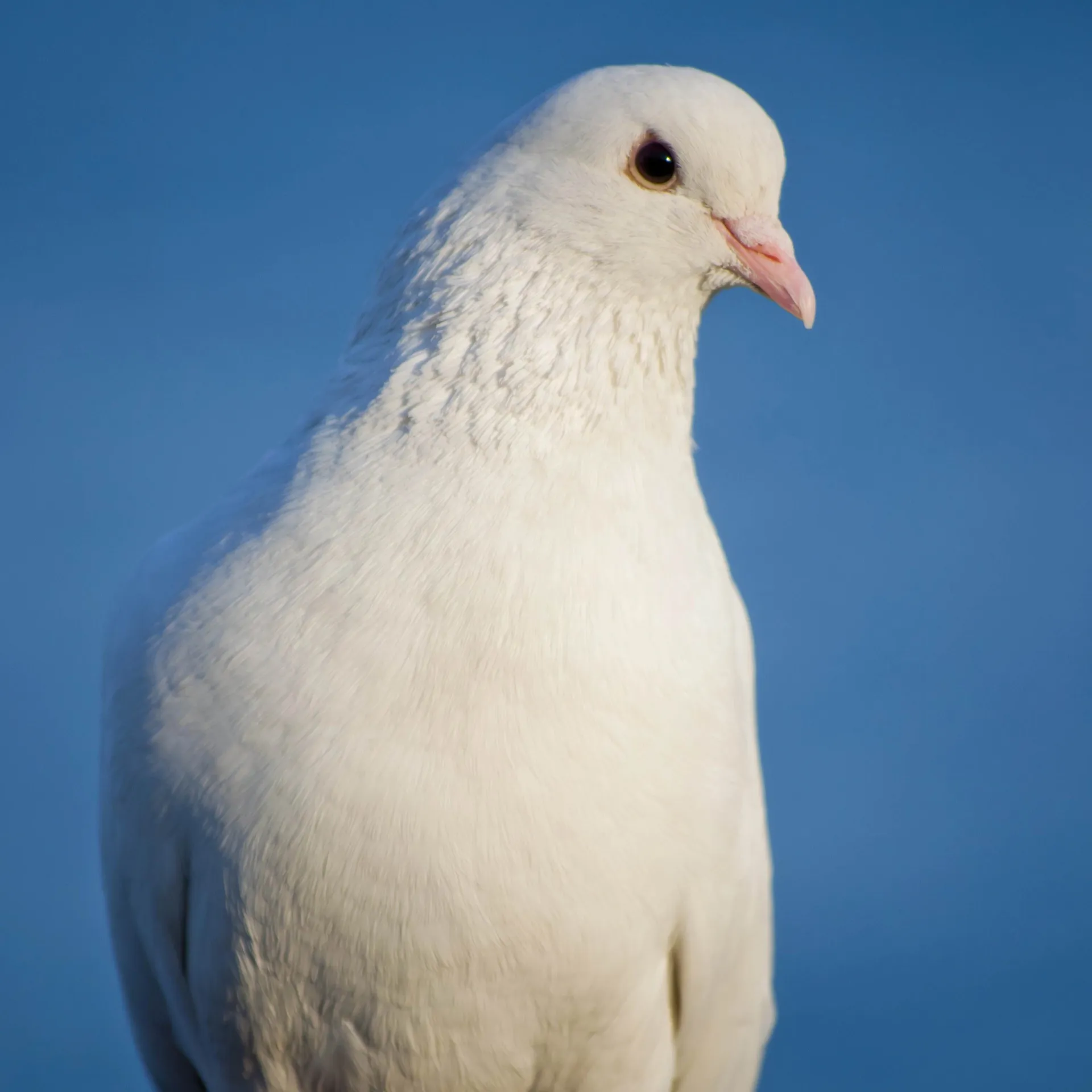
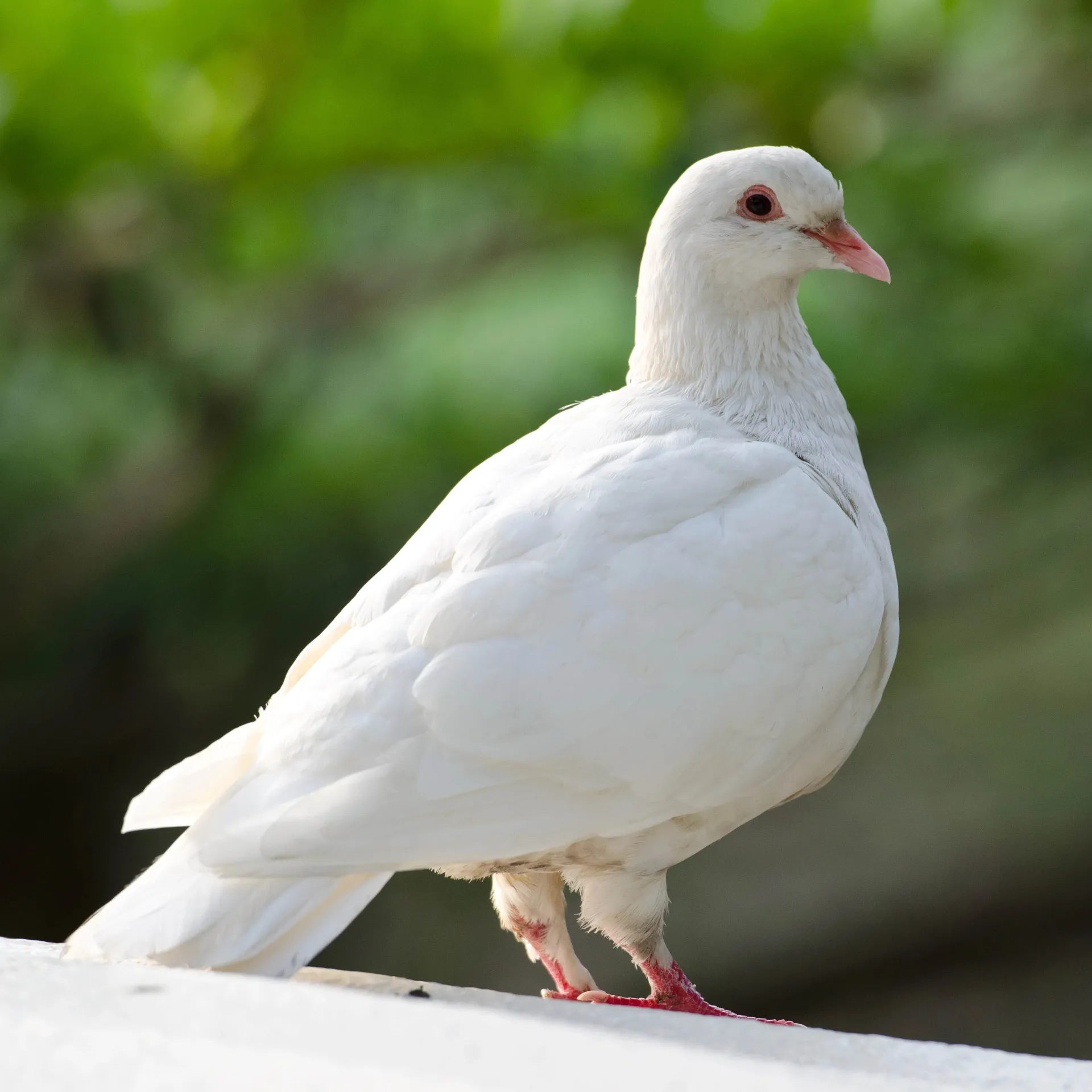
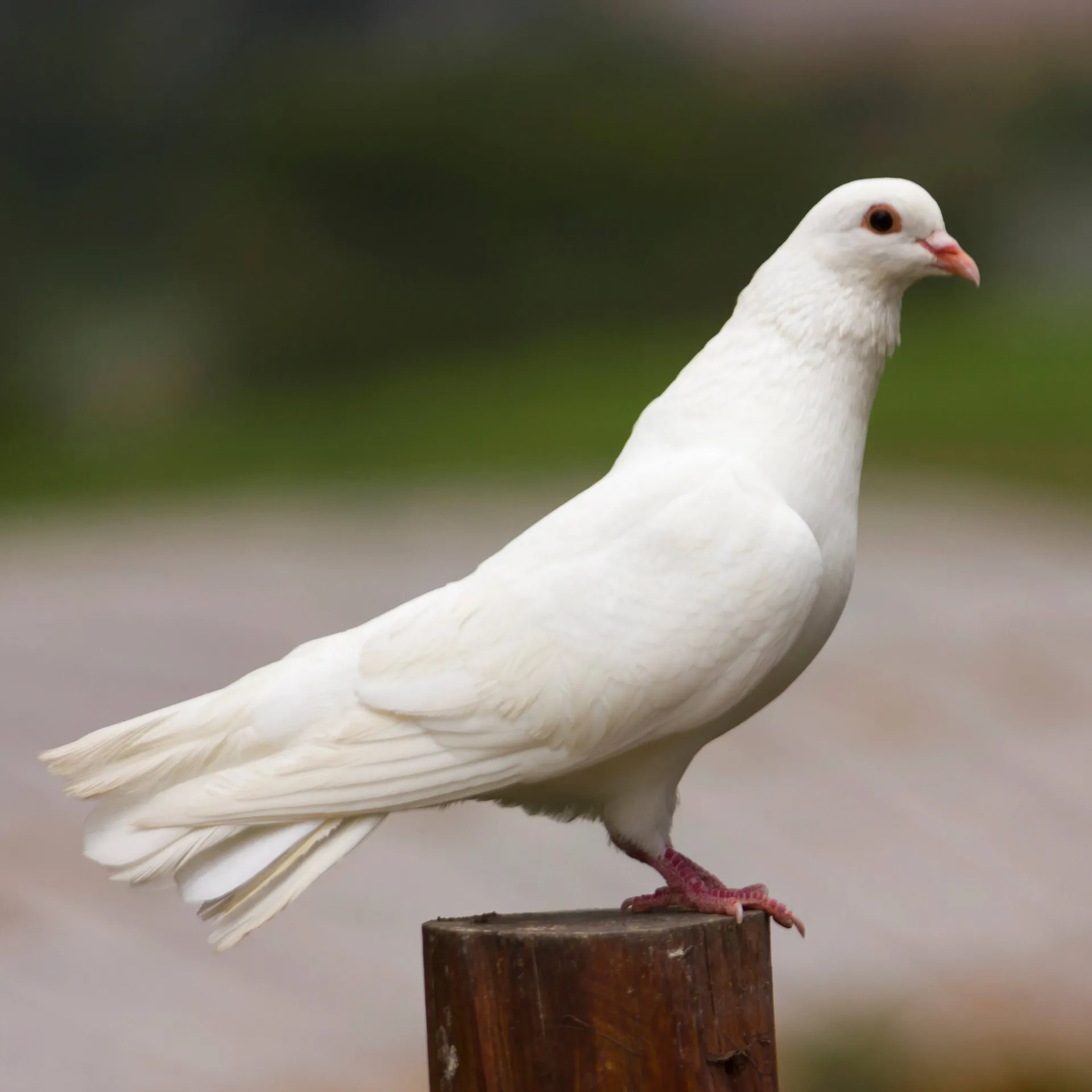

by Happy Pet TeamUpdated on 20 Jun 2025
Introduction to the Dove
Doves are members of the Columbidae family and one of the oldest domesticated bird species globally. Dating back to approximately 5000 BC, these docile birds have served in ancient rituals as well as in present-day companionship.
Characteristics
Affection
Not Friendly
Super Friendly
Vocalization
Silent
Vocal
Intelligence
Low
High
Social Behavior
Prefer Isolation
Very Social


Nutrition Care for the Dove
Monthly Food Expenses
₹1,000 - ₹ 1,500
Ideal weight
130 - 200 grams
Essential Nutrients
Protein
Carbohydrates
Fats
Vitamins
Minerals
List of foods
Seeds
Fruits
Vegetables
Grasses
Legumes
Pellets
Sprouts
- Birds require quality protein to make their muscles strong and to grow feathers.
- Essential fatty acids increase energy and make feathers lustrous.
- Essential nutrients help to maintain immunity, bones and joints.
- Fresh foods and moist foods assist in hydration and digestion.
- Shabby seed combinations should be avoided to avoid obesity and belly problems.
Foods to Avoid for Doves
Avoid anything with these ingredients
High-fat foods
Dairy products
Mushrooms
Onions
Garlic
Avocado
Chocolate
- Chocolate & Caffeine – Both are toxic; chocolate has theobromine, and caffeine overstimulates the heart. Even small amounts can be deadly.
- Avocado – Contains persin, a toxin harmful to birds. Just a slice can affect their heart and lungs.
- Onions & Garlic – These damage red blood cells and may cause anaemia. Even tiny amounts can lead to long-term issues.
- Salty Foods – High sodium can dehydrate birds and harm their kidneys. Avoid chips and processed snacks.
- Unripe Tomatoes & Fruit Seeds – Solanine in tomatoes and cyanide in seeds are dangerous. Always remove seeds and use ripe produce only.
- Moldy or Wet Seeds – Spoiled seeds can harbour harmful bacteria or fungi. Always store seeds in a dry, clean place.


Healthcare for the Dove
Avg Monthly Expenses
₹1,000 - ₹1,500
Recognising Stress
Feather Plucking
Tail Bobbing
Excessive Vocalization
Withdrawal or Hiding
Loss of Appetite
Weight Loss
Changes in Droppings
Common Health Issues
Respiratory Infections
Fatty liver disease
Gastrointestinal tract yeast infections
Chlamydiosis
Feather Plucking
Aspergillosis
Psittacosis
Energy Level
Medium
Preventative measure
Physical checkup every 6-12 months
Annual Blood Work
Annual Fecal Exam
Nail Trimming
Beak Assessment
Feather Assessment
Mental Stimulation
Physical Stimulation
Common Health Problems of Doves
Doves are generally hardy birds, but can be prone to respiratory infections and feather mites. Most issues can be prevented with a clean environment, a balanced diet, and regular vet checkups.
Prerequisites to pet a Dove
Time Commitment.
Stress-free Environment.
Enrichment Activities.
Living space.
Ideal habitat for Dove
Initial Setup Cost
₹2,000 - ₹ 2,500
Monthly Expenses
₹1,000 - ₹ 1,500
Essential Equipment
Bird Cage
Perches
Food/ water dishes
Toys and Enrichment
Cage Liner Paper
Mineral Block
Bird Bath
Compatible mates
Pigeons.
Canaries.
Parakeets.
Finches.
- Spacious cage (min. 24″ W × 36″ D × 24–30″ H) with bar spacing ≤⅜″ to allow flight and prevent escape
- Flat, solid bottom floor, not wire, lined daily with paper for comfort and cleanliness
- Multiple perch types (varying sizes/materials) and low bowls for feeding, watering, and bathing on the floor
- Placed in bright, draft‑free area with access to UV or full-spectrum light (10–12 h/day) for health & vitamin absorption
Written by
Happy Pet TeamAuthor
Team Happy Pet is a passionate collective of pet experts, enthusiasts, and advocates dedicated to sharing trusted and insightful content.
Our cont
Compare with similar breeds
Frequently Asked Questions
Can doves be kept alone?
No-doves are social birds and must be placed in pairs or small groups to be happy mentally.
Do doves need special housing?
Yes, horizontal space is what they need more than height, and they like silent places where there is no draft.
How do I know if my dove is sick?
Check the feathers are fluffed, the droppings are strange, the appetite is gone, or the eyes are closed- take it to a vet as soon as these symptoms show.
Can doves be released outdoors?
The release should be done with trained homing doves only. Pet doves do not have the capabilities to survive or find their way home.