Home
/
Compare Bird Species
/
Gouldian Finch vs Diamond Dove
Gouldian Finch vs Diamond Dove
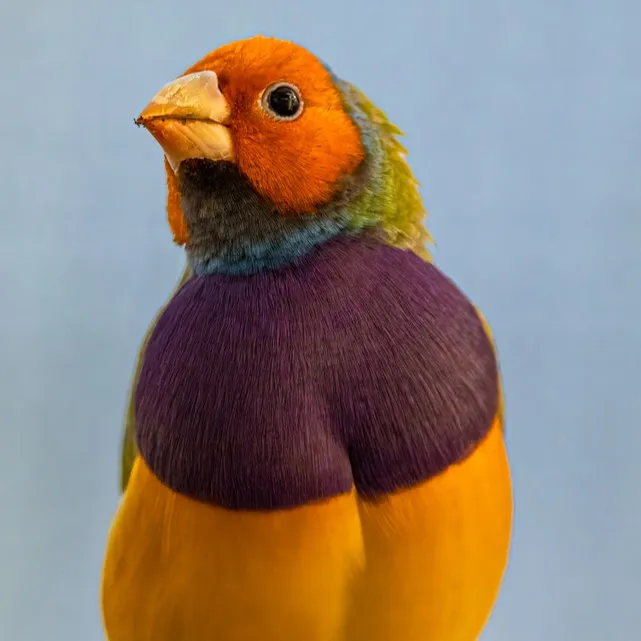
Gouldian Finch
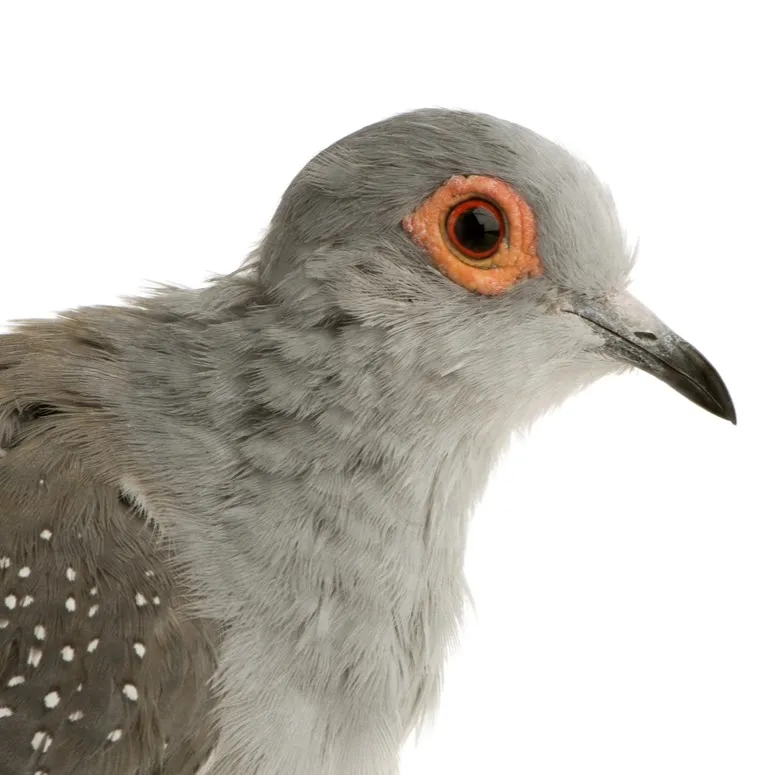
Diamond Dove
Characteristics
Affection
Not Friendly
Super Friendly
Vocalization
Silent
Vocal
Intelligence
Low
High
Social Behavior
Prefer Isolation
Very Social
Affection
Not Friendly
Super Friendly
Vocalization
Silent
Vocal
Intelligence
Low
High
Social Behavior
Prefer Isolation
Very Social
Basic Information
Avg Monthly Expenses
₹2,000
Basic
₹3,500
Premium
Classification
Passeriformes
Life Expectancy
5 - 7 years
Ideal Weather
18º - 30º celsius
Maintenance
Moderate
Size
Small
Avg Monthly Expenses
₹2,500
Basic
₹3,499
Premium
Classification
Columbiformes
Life Expectancy
10 - 15 years
Ideal Weather
18º - 25º celsius
Maintenance
Low
Size
Small
Overall Summary
Overall Summary
Frequently Asked Questions
Are Gouldian Finches good pets?
Yes, they are calm and gentle. However, they prefer the company of their species over human interaction.
Can a single Gouldian Finch be kept as a pet?
No, they are social birds and need to be a part of a flock. It is recommended to at least have a pair of them.
How long do Gouldian Finches live?
They have an average lifespan of six years.
Are Gouldian Finches endangered?
Yes, they are listed as endangered under the EPBC Act 1999 and are listed as near threatened under the IUCN Red List.
Are Gouldian Finches common in India?
No, they are native to Australia and are not common in India.