Home
/
Compare Bird Species
/
Bourke’s Parrot vs Call Duck
Bourkes Parrot vs Call Duck
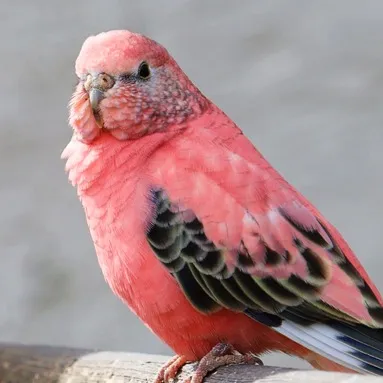
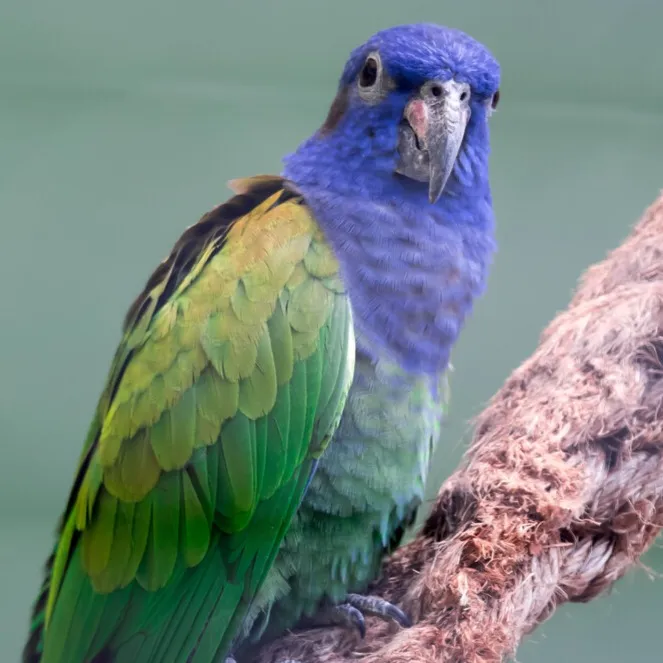
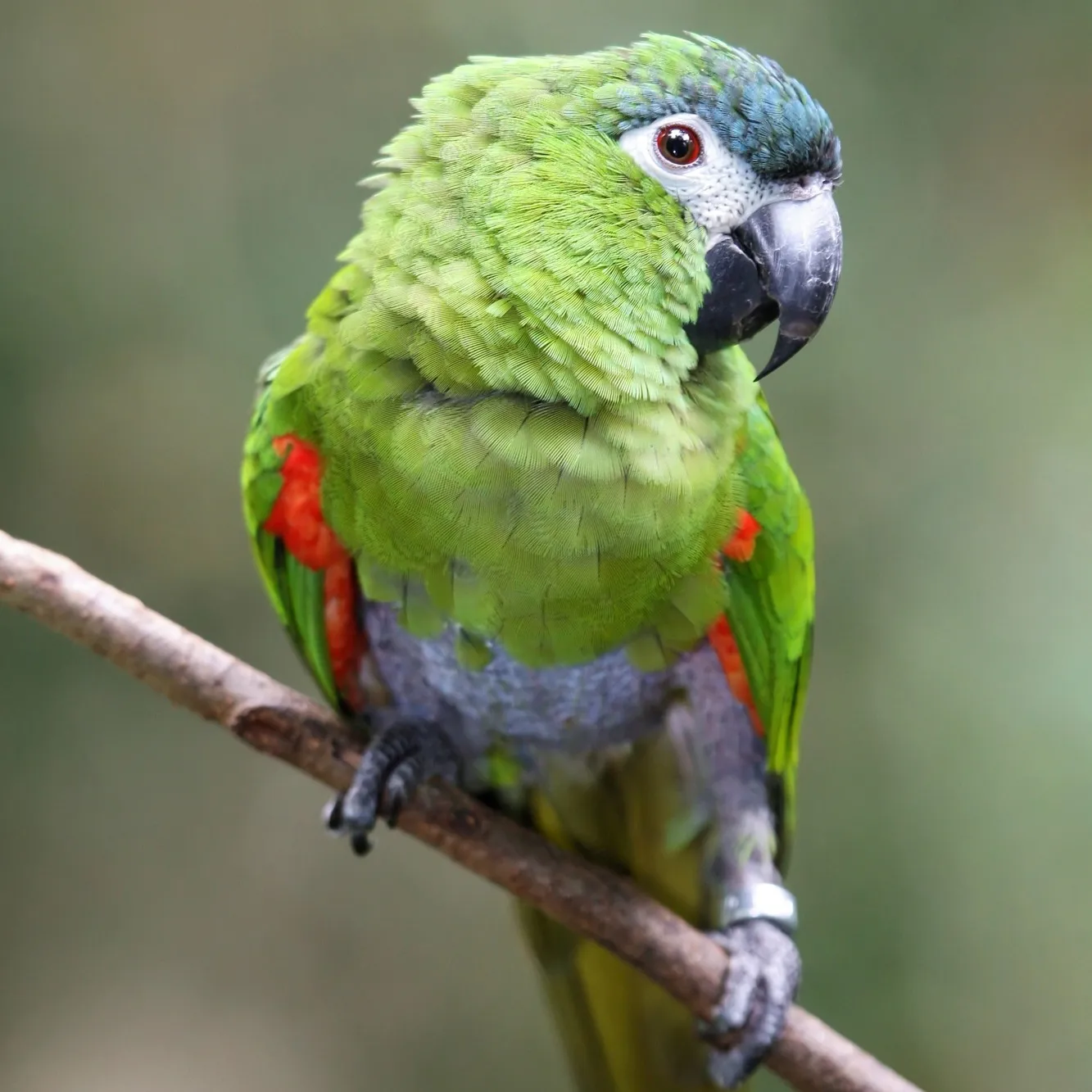
Bourke’s Parrot
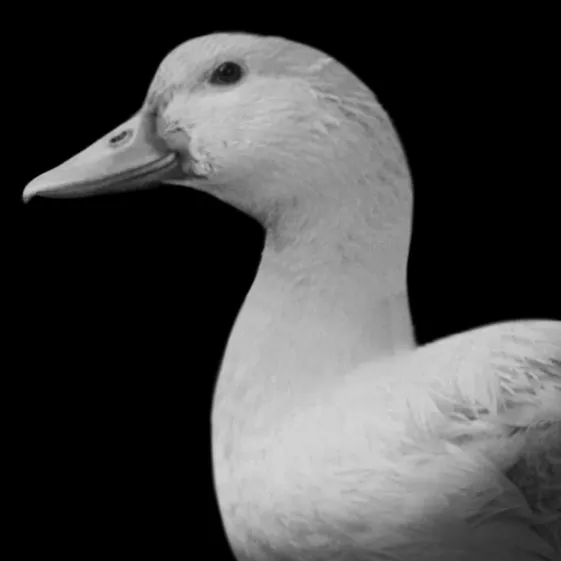
Call Duck
Characteristics
Affection
Not Friendly
Super Friendly
Vocalization
Silent
Vocal
Intelligence
Low
High
Social Behavior
Prefer Isolation
Very Social
Affection
Not Friendly
Super Friendly
Vocalization
Silent
Vocal
Intelligence
Low
High
Social Behavior
Prefer Isolation
Very Social
Basic Information
Avg Monthly Expenses
₹3,500
Basic
₹4,500
Premium
Classification
Psittaciformes
Life Expectancy
10 - 15 years
Ideal Weather
15º - 30º celsius
Maintenance
Low
Size
Small
Avg Monthly Expenses
₹3,000
Basic
₹4,000
Premium
Classification
Anseriformes
Life Expectancy
5 - 12 years
Ideal Weather
10º - 25º celsius
Maintenance
Moderate
Size
Small
Overall Summary
Overall Summary
Frequently Asked Questions
Are Bourke’s Parrots good pets?
Yes! They are among the calmest and quietest parrots—ideal for beginners or apartment living.
Can Bourke’s Parrots talk?
They are not known for talking. Instead, they have sweet, gentle chirps.
How long do Bourke’s Parrots live?
On average, 10–15 years with proper care.
Can Bourke’s Parrots live with other birds?
Yes, they are peaceful and can coexist with other small, non-aggressive birds like finches or budgies in aviaries.
What time of day are Bourke’s Parrots most active?
They are most active during early mornings and evenings.