Home
/
Compare Bird Species
/
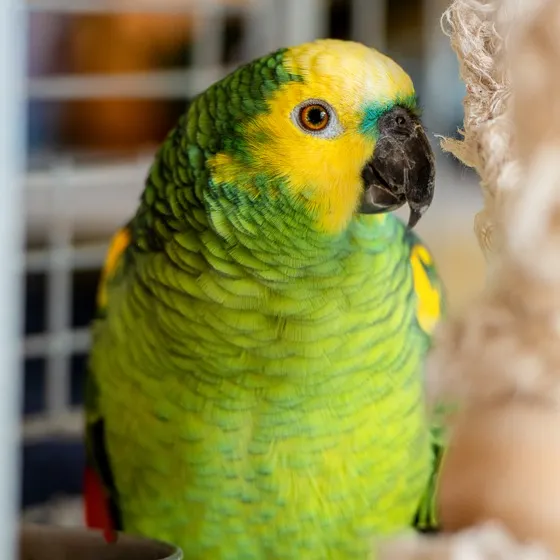
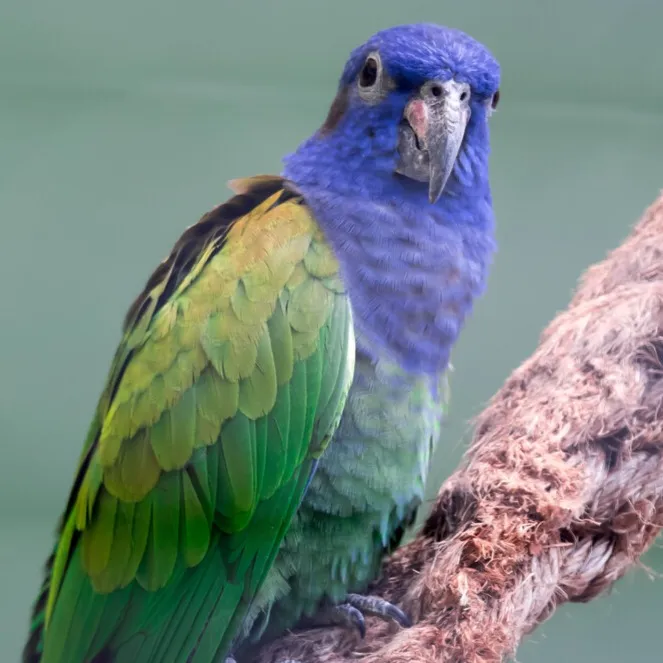
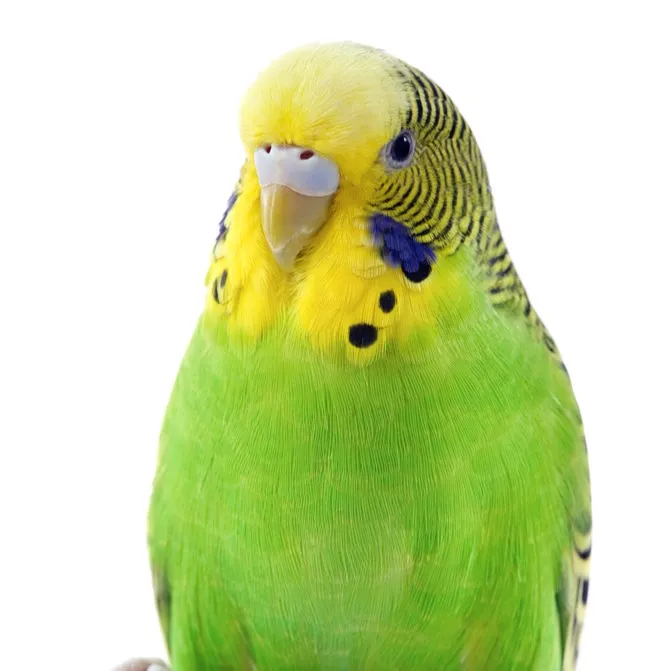
Blue-Crowned Conure vs Bourke’s Parrot
Blue Crowned Conure vs Bourkes Parrot
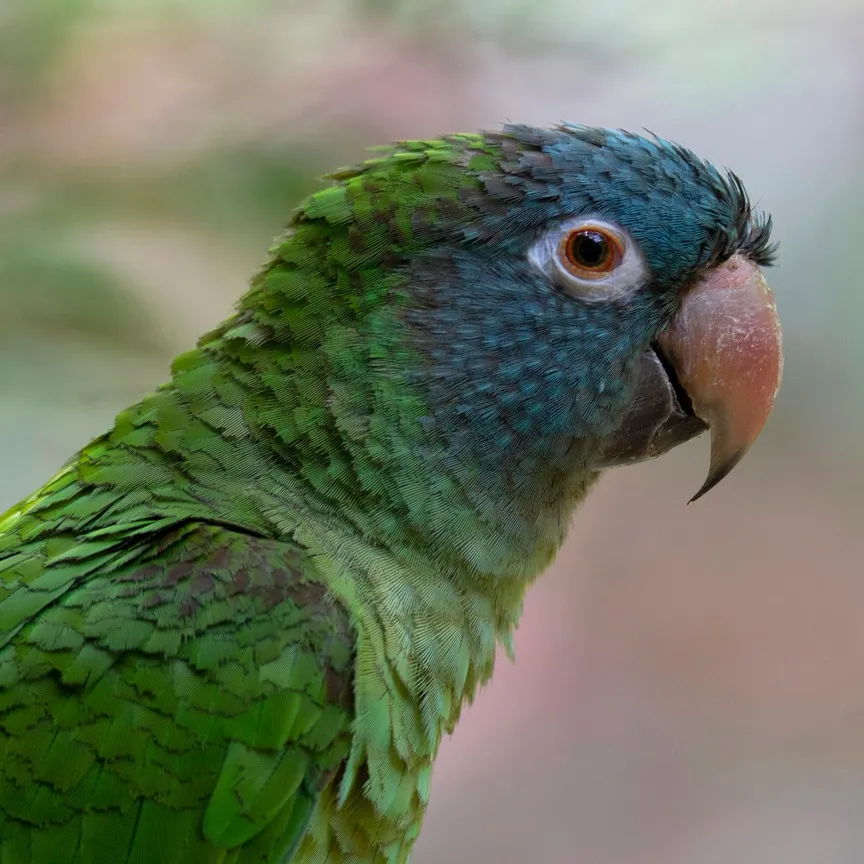
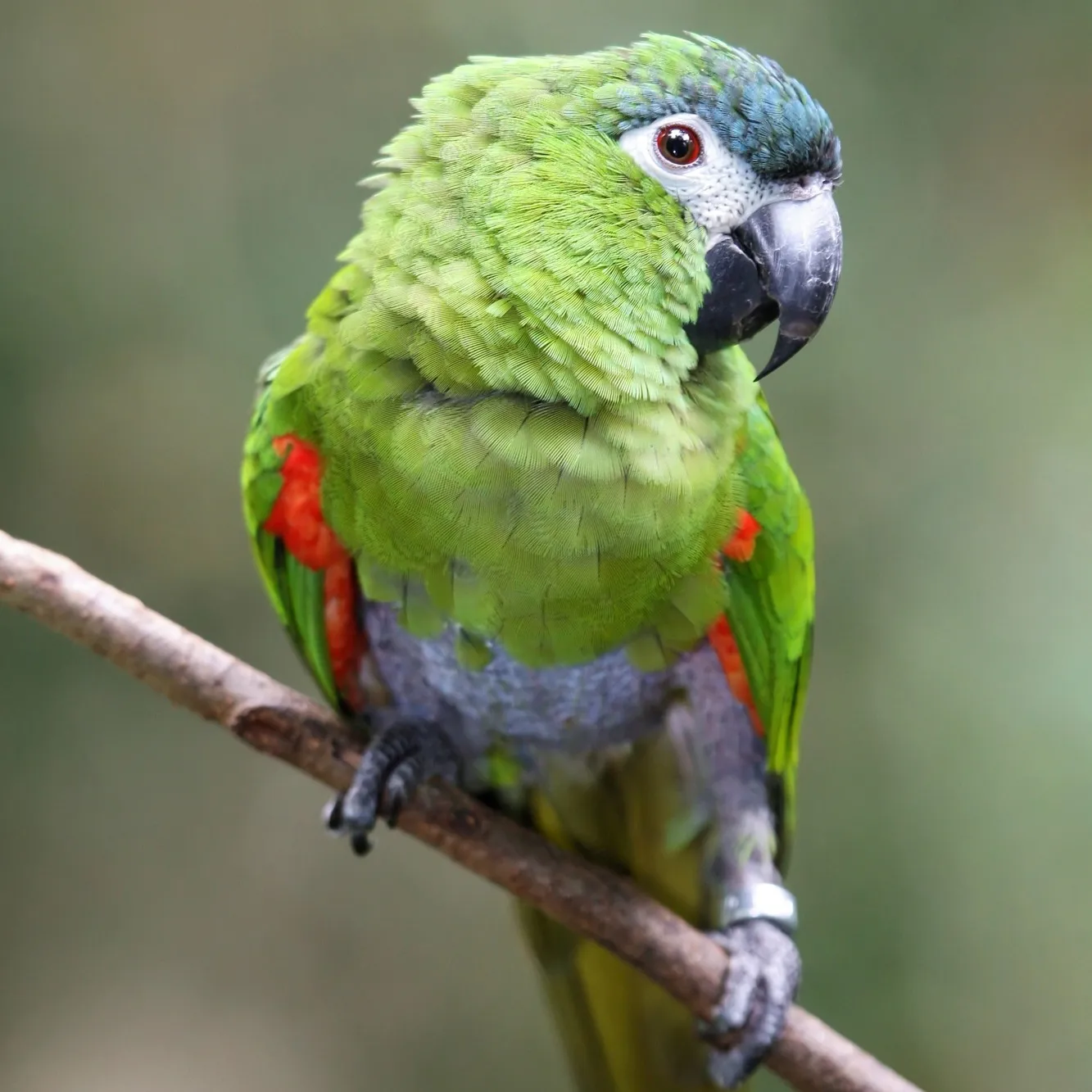
Blue-Crowned Conure
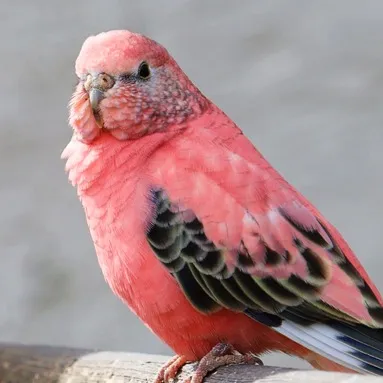
Bourke’s Parrot
Characteristics
Affection
Not Friendly
Super Friendly
Vocalization
Silent
Vocal
Intelligence
Low
High
Social Behavior
Prefer Isolation
Very Social
Affection
Not Friendly
Super Friendly
Vocalization
Silent
Vocal
Intelligence
Low
High
Social Behavior
Prefer Isolation
Very Social
Basic Information
Avg Monthly Expenses
₹1,500
Basic
₹2,500
Premium
Classification
Psittaciformes
Life Expectancy
25 - 30 years
Ideal Weather
18º - 28º celsius
Maintenance
Moderate
Size
Medium
Avg Monthly Expenses
₹3,500
Basic
₹4,500
Premium
Classification
Psittaciformes
Life Expectancy
10 - 15 years
Ideal Weather
15º - 30º celsius
Maintenance
Low
Size
Small
Overall Summary
Overall Summary
Frequently Asked Questions
Are Blue-Crowned Conures good pets?
Yes, they are affectionate, intelligent, and talkative—best for owners who can give them daily attention.
Can Blue-Crowned Conures talk?
Yes! They are among the best talkers in the conure family, capable of learning words and short phrases.
How long do Blue-Crowned Conures live?
They can live 25–30 years with good care.
Are Blue-Crowned Conures noisy?
Yes, they can be loud, especially in the mornings and evenings. Apartment living may be challenging.
What do Blue-Crowned Conures eat?
A balanced diet of pellets, fresh fruits, vegetables, and limited seeds/nuts.