Home
/
Compare Bird Species
/
Blue and Gold Macaw vs Blue-Crowned Conure
Blue And Gold Macaw vs Blue Crowned Conure
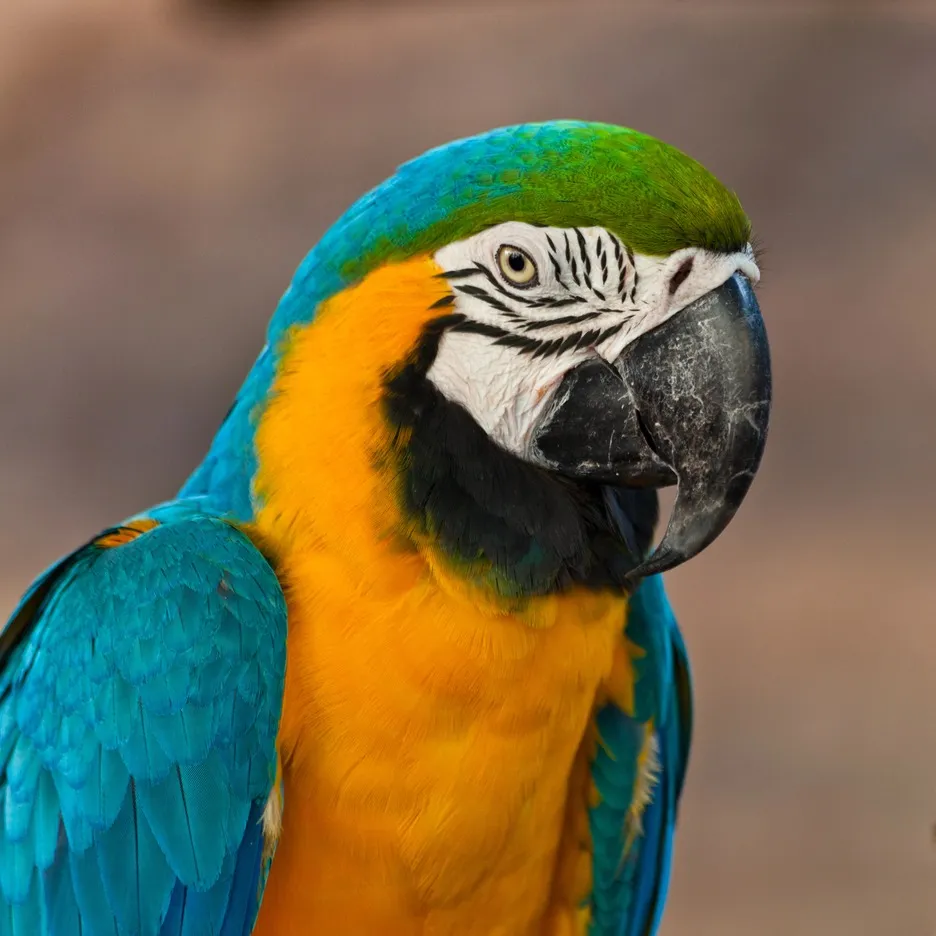
Blue and Gold Macaw
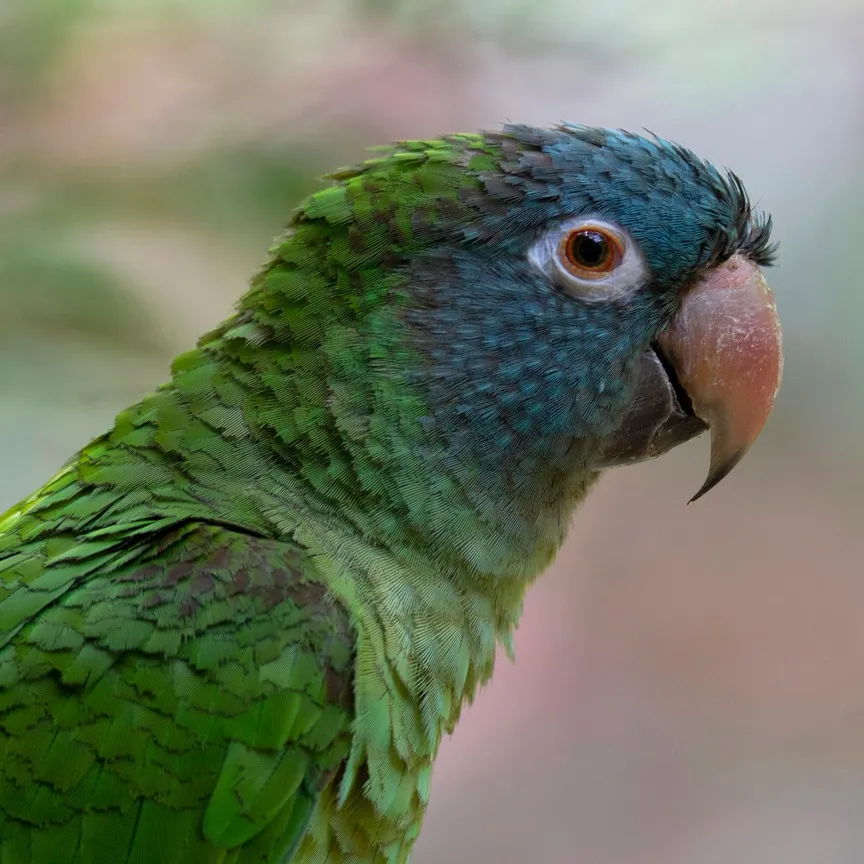
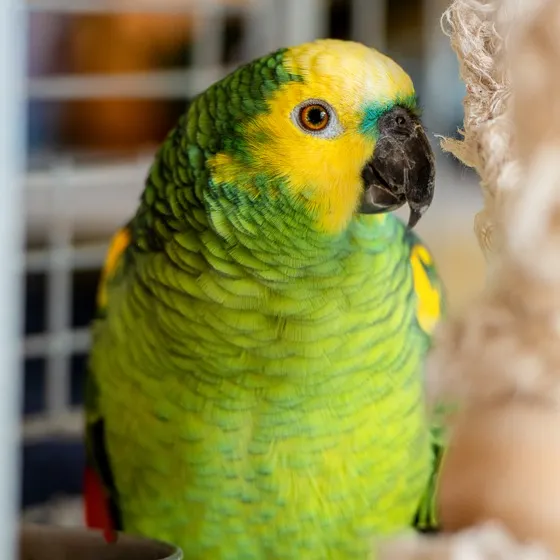
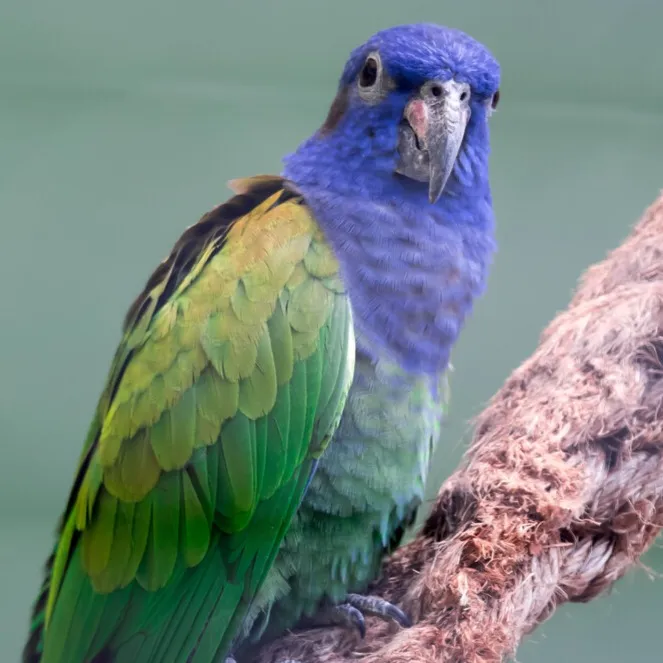
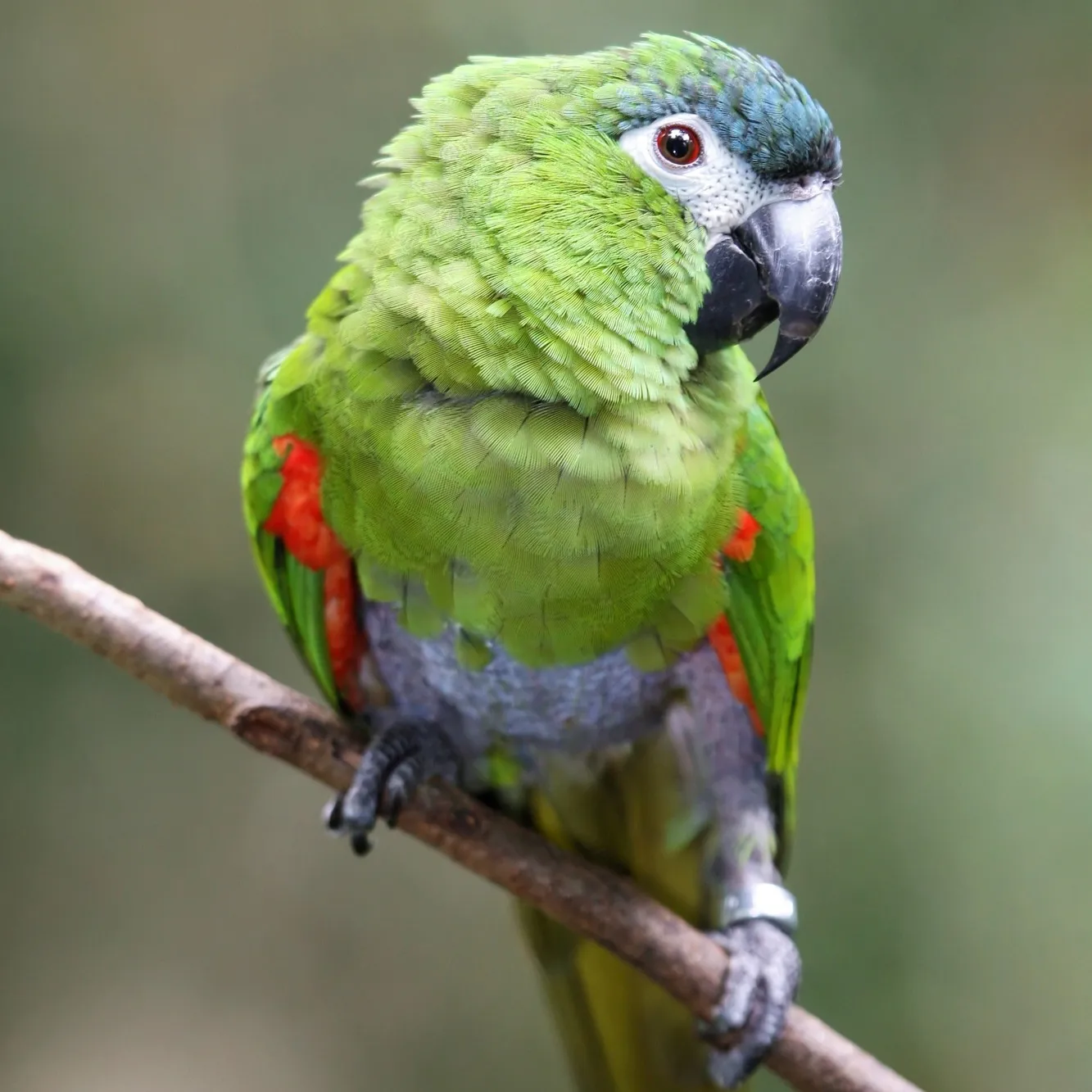
Blue-Crowned Conure
Characteristics
Affection
Not Friendly
Super Friendly
Vocalization
Silent
Vocal
Intelligence
Low
High
Social Behavior
Prefer Isolation
Very Social
Affection
Not Friendly
Super Friendly
Vocalization
Silent
Vocal
Intelligence
Low
High
Social Behavior
Prefer Isolation
Very Social
Basic Information
Avg Monthly Expenses
₹2,700
Basic
₹4,000
Premium
Classification
Psittaciformes
Life Expectancy
30 - 50 years
Ideal Weather
20º - 30º celsius
Maintenance
High
Size
Large
Avg Monthly Expenses
₹1,500
Basic
₹2,500
Premium
Classification
Psittaciformes
Life Expectancy
25 - 30 years
Ideal Weather
18º - 28º celsius
Maintenance
Moderate
Size
Medium
Overall Summary
Overall Summary
Frequently Asked Questions
How long do Blue‑and‑Gold Macaws live?
They commonly live 50–60 years in captivity, with some reaching 70+ years. In the wild, they usually live 30–35 years due to natural risks.
Are Blue‑and‑Gold Macaws easy pets?
Not really. They’re intelligent and social but need daily interaction, mental enrichment, and lots of space. They can be loud and destructive without proper care.
Do Blue‑and‑Gold Macaws talk or make noise?
Yes, they can mimic words and household sounds, but they’re also very loud, known for screeches and flock calls at dawn and dusk.