Home
/
Compare Bird Species
/
Alexandrine Parakeet vs Meyers parrots
Alexandrine Parakeet vs Meyers Parrots
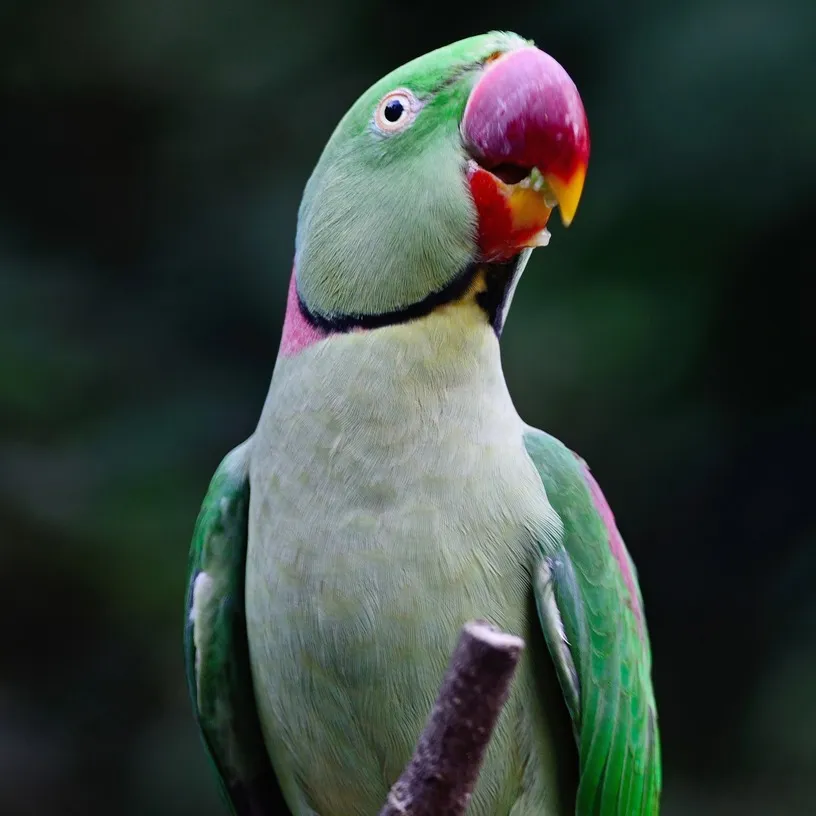
Alexandrine Parakeet
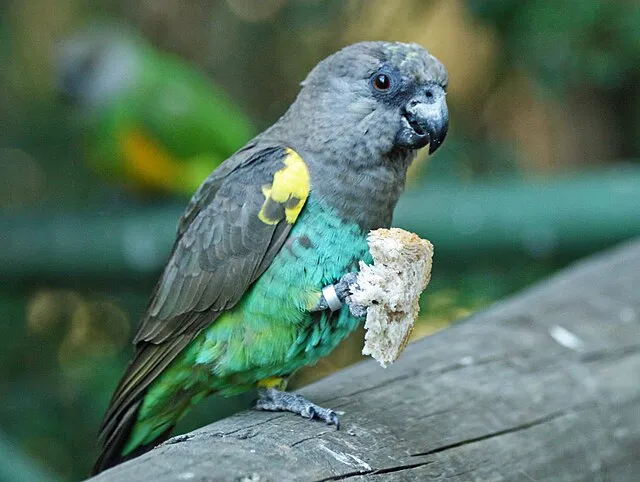
Meyers parrots
Characteristics
Affection
Not Friendly
Super Friendly
Vocalization
Silent
Vocal
Intelligence
Low
High
Social Behavior
Prefer Isolation
Very Social
Affection
Not Friendly
Super Friendly
Vocalization
Silent
Vocal
Intelligence
Low
High
Social Behavior
Prefer Isolation
Very Social
Basic Information
Avg Monthly Expenses
₹2,500
Basic
₹3,500
Premium
Classification
Psittaciformes
Life Expectancy
25 - 30 years
Ideal Weather
15º - 29º celsius
Maintenance
Moderate
Size
Medium
Avg Monthly Expenses
₹2,500
Basic
₹3,500
Premium
Classification
Psittaciformes
Life Expectancy
25 - 35 years
Ideal Weather
15º - 27º celsius
Maintenance
Moderate
Size
Medium
Overall Summary
Overall Summary
Frequently Asked Questions
Do Alexandrine Parakeets talk?
Yes, they’re good mimics and can develop an impressive vocabulary with training.
How long do Alexandrine Parakeets live?
On average, 25–30 years, sometimes even up to 40.
Are Alexandrine Parakeets noisy?
They are moderately noisy—less than macaws but louder than budgies.
Do they make good family pets?
Yes, if socialized early. They are affectionate but need consistent interaction.
Can Alexandrine Parakeets be kept in pairs?
Yes, but they may bond more with each other than with humans if not trained properly.