
Home
/
Bird species
/
Call Duck
Call Duck
Origin
Netherlands
Size
Small Breed
Ideal Weather
10º-25ºC
Avg Monthly Expenses
₹3,000
Basic Lifestyle
₹4,000
Premium Lifestyle
Top 5 Traits
Curious
Playful
Social
Affectionate
Gentle
Call Duck Breed Overview
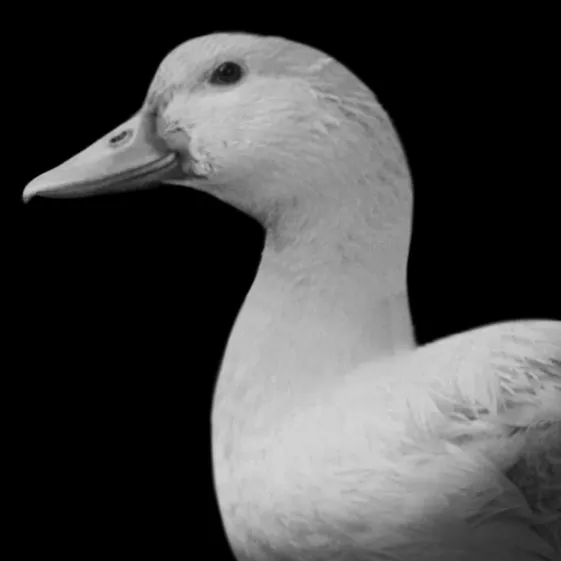
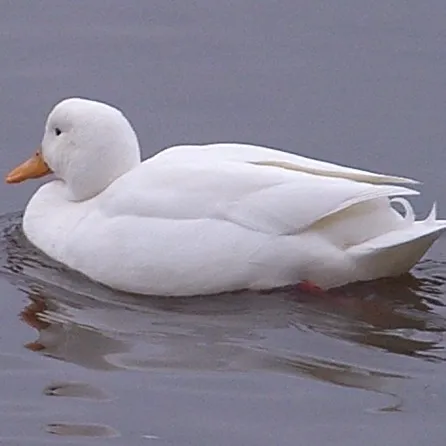
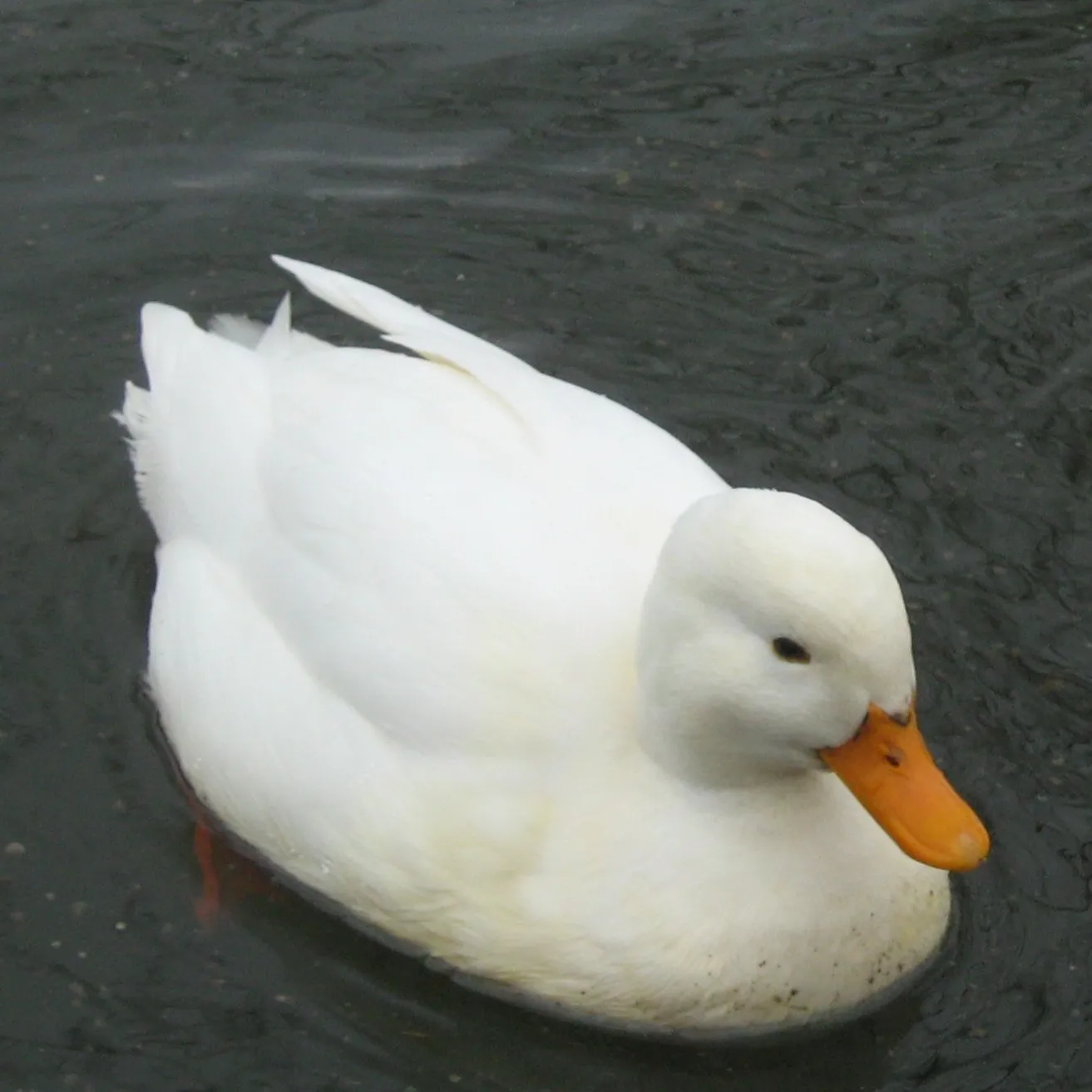
The Call Duck, which weighs less than a kilogram, is the smallest breed of domestic duck. They were created as calling ducks to lure wild mallards to large traps or decoys in the UK's Fens and the Dutch marshes. Their original name, the Decoy Duck, was derived from the Dutch word "de kooi," which means "trap" or "cage”. They are known for their small size, which makes them a great companion for those with restricted space.
Characteristics
Affection
Not Friendly
Super Friendly
Vocalization
Silent
Vocal
Intelligence
Low
High
Social Behavior
Prefer Isolation
Very Social


Call Duck: Nutritional Guide
Monthly Food Expenses
₹2,000 - ₹ 2,500
Ideal weight
680 - 1134 grams
Essential Nutrients
Protein
Carbohydrates
Fats
Vitamins
Minerals
List of foods
Vegetables
Fruits
Cooked eggs
Legumes
Whole grain breads
Pellets
Lean cooked meat
- Protein- It aids in muscle development and egg production. Ducklings require more protein than adults.
- Carbohydrates provide them with energy for their daily activities.
- Fats - Healthy fats boost their skin and feather health. However, be mindful as excess fat can lead to obesity and related health issues.
- Vitamins A, D, and E are essential to boost their immunity, fertility, and overall health.
- Minerals - Calcium, phosphorus, magnesium, and selenium help in bone health and eggshell formation.
Never Feed These Foods to a Call Duck
Avoid anything with these ingredients
Dairy products
High-fat foods
Onions
Garlic
Salty snacks
Chocolate
Caffeine
Raw beans
- Avocado - It is toxic to ducks as it contains persin.
- Onions and garlic can reduce red blood cells and disrupt digestion.
- Chocolate and caffeine should be avoided as they are fatal.
- Processed foods - Foods high in salt and sugar should be avoided as they can lead to dehydration and cause distress to the kidneys.
- Citrus Foods may affect calcium absorption and can cause stomach upset.


Health Guide for Call Ducks
Avg Monthly Expenses
₹1,000 - ₹1,500
Recognising Stress
Feather Plucking
Excessive Vocalization
Aggression
Loss of Appetite
Changes in Droppings
Fluffed Up Feathers
Weight Loss
Common Health Issues
Respiratory Infections
Gastrointestinal tract yeast infections
Infectious causes of feather loss
Egg Binding
Nutritional Deficiencies (e.g., Vitamin A deficiency)
Parasitic Infections (e.g., mites, lice)
Energy Level
Medium
Preventative measure
Physical checkup every 6-12 months
Annual Fecal Exam
Beak Assessment
Nail Trimming
Feather Assessment
Environmental Enrichment
Avoid Sudden Diet Changes
Common Health Issues in Call Ducks
- Respiratory Infections - It can be caused by damp bedding, poor ventilation, or sudden changes in the weather. Symptoms include sneezing, wheezing, and open-mouth breathing. Keep them in a well-ventilated and dry area to prevent infections.
- Bumblefoot - It is caused by hard surfaces, and sometimes even obesity or injury. Symptoms include limping and swelling on the bottom of the feet. It can be prevented by maintaining a healthy weight and providing them access to water for swimming.
- Parasites - Ducks can contract parasites if they contact wild birds or don't live in clean enclosures. Symptoms include weight loss, feather damage, loose stools, and constant itching of the feathers. It can be prevented by keeping their surroundings clean and routine vet checkups.
Prerequisites to pet a Call Duck
Time Commitment.
Noise Tolerance.
Living Space.
Environment Company.
Habitat
Initial Setup Cost
₹3,000 - ₹ 3,500
Monthly Expenses
₹1,500 - ₹ 2,000
Essential Equipment
Perches
Toys and Enrichment
Food/ water dishes
Mineral Block
Grit
Compatible mates
other ducks.
geese.
As per the British Waterfowl Association, the Call Duck is said to have been brought to Holland from Asia and was first standardized in the UK in 1865. In the 1600s, decoy ducks were utilized in Holland; however, it is believed that they were tame ducks, or decoy ducks by training, rather than the actual Decoy or Call.
Frequently Asked Questions
Are Call Ducks good pets?
Yes, they are friendly and compact.
Are Call Ducks noisy?
Yes, they are known for their loud quacks, and females can be very chatty.
Are Call Ducks friendly?
Yes, Call Ducks are known for their amiable nature, and they form quick bonds with their humans.
Can Call Ducks live with chickens?
Yes, but they require separate water sources and their own space to swim and bathe.
Do Call Ducks need a pond?
No, not particularly. They do not require a pond, but they need to have access to clean water for swimming.