
Home
/
Bird species
/
Budgerigar
Budgerigar
Origin
Australia
Size
Small Breed
Ideal Weather
15º-30ºC
Avg Monthly Expenses
₹800
Basic Lifestyle
₹1,249
Premium Lifestyle
Top 5 Traits
Friendly
Talkative
Playful
Social
Intelligent

by Happy Pet TeamUpdated on 17 Jun 2025
Quick information about Budgerigars
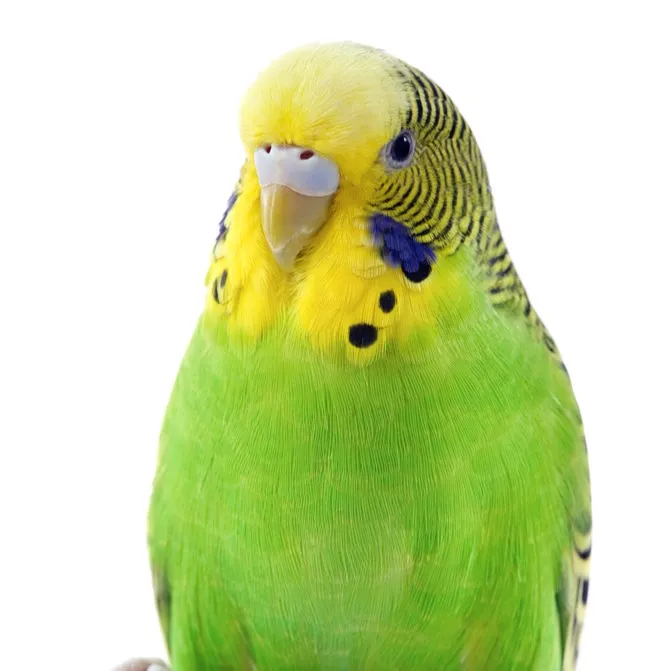
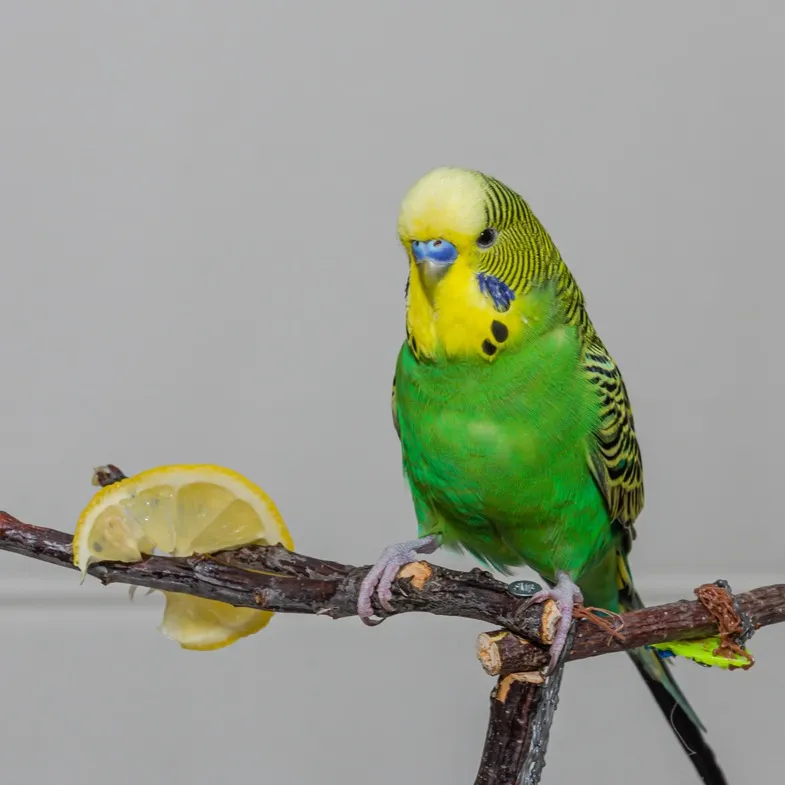
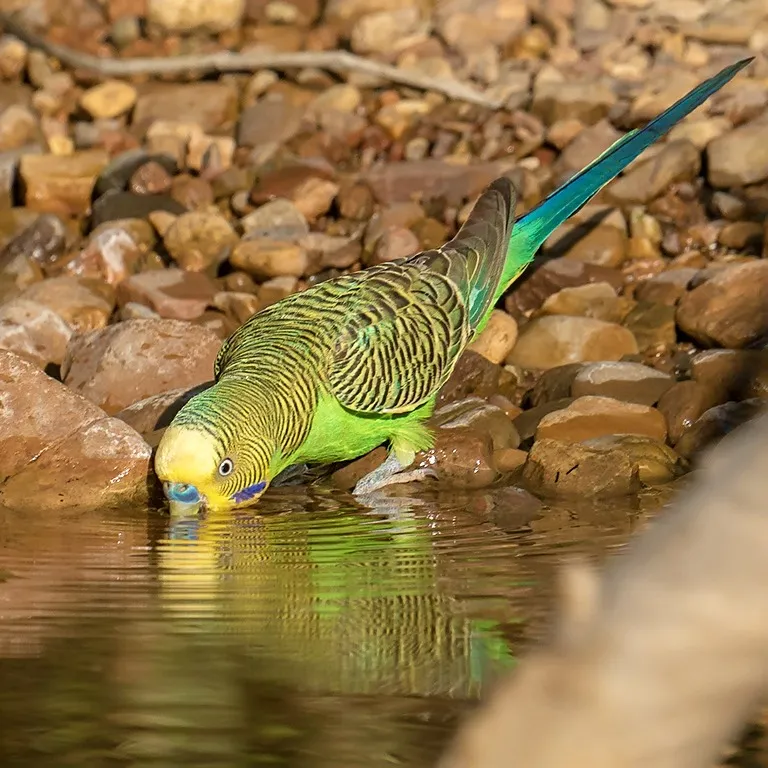
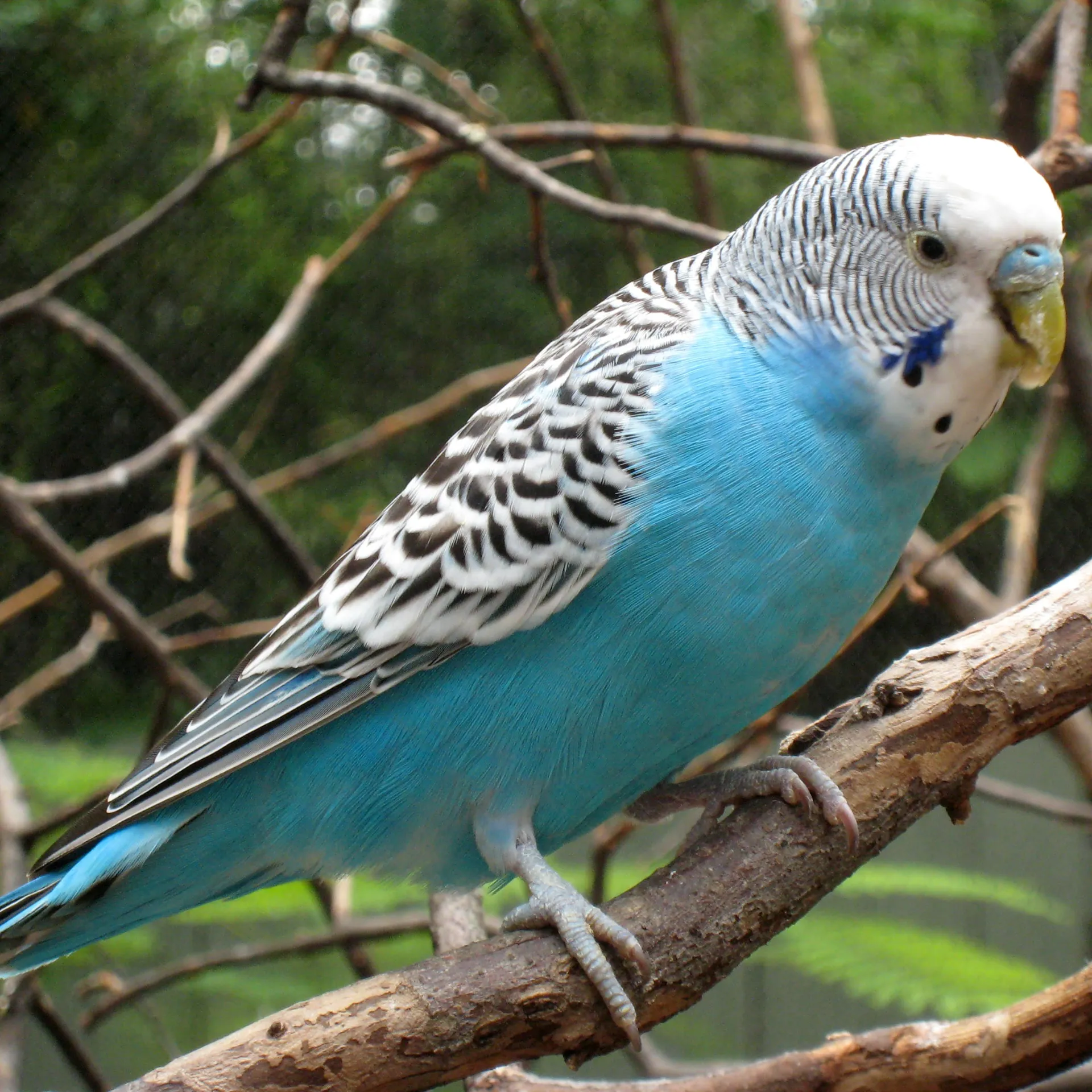
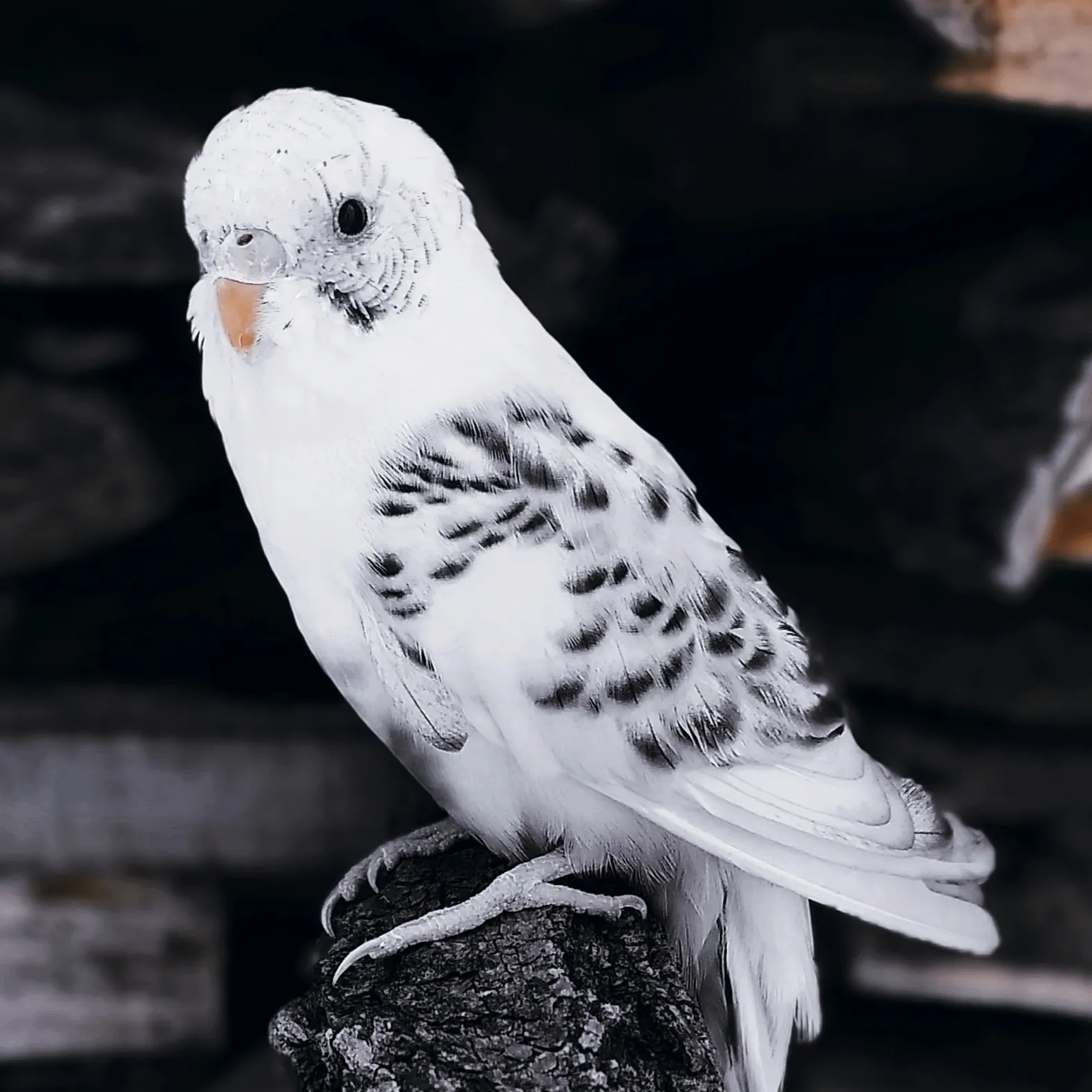
The budgerigar, famously known as the budgie or common parakeet, is a small, long-tailed, seed-eating parrot from Australia’s dry plains and grasslands. In the wild, they’re naturally green and yellow with black scalloped markings. However, captive breeding has produced many colors, including blue, white, yellow, and a lovely violet. They grow about 7 to 8 inches long and weigh around 30 to 40 grams.
Characteristics
Affection
Not Friendly
Super Friendly
Vocalization
Silent
Vocal
Intelligence
Low
High
Social Behavior
Prefer Isolation
Very Social


What is the best food for Budgies?
Monthly Food Expenses
₹300 - ₹ 499
Ideal weight
30 - 40 grams
Essential Nutrients
Protein
Carbohydrates
Fats
Vitamins
Minerals
List of foods
Seeds
Fruits
Vegetables
Herbs
Cooked eggs
Leafy Greens
Pellets
Wild Diet
Never feed these foods to Budgies
Avoid anything with these ingredients
Chocolate
Avocado
Caffeine
Alcohol
Onions
Garlic
Mushrooms
- Avocado: Avocado contains persin, which can cause heart failure and sudden death.
- Chocolate & Caffeine: These affect the heart and nerves, possibly causing seizures, tremors, or death.
- Alcohol: This is a big no! Even in small amounts, it can depress organs and be fatal.
- Onions, Garlic, Chives: These are known to damage red blood cells, leading to anemia and digestive issues.
- Fruit Pits & Seeds (apple, cherry, peach, apricot, plum): All pits and fruit seeds contain cyanide. Only feed fruits after removing pits.
- Raw/Dried Beans, Mushrooms, and potato/tomato leaves, peppers: Feeding these to Budgies may lead to digestive upset, poisoning, or organ failure.
- Cassava, Raw Dairy, Xylitol, Salt, Fatty or Sugary Junk: These can cause dehydration, diabetes, liver/kidney damage, or hypoglycemia.


Health
Avg Monthly Expenses
₹500 - ₹750
Recognising Stress
Feather Plucking
Tail Bobbing
Excessive Vocalization
Aggression
Withdrawal or Hiding
Changes in Droppings
Weight Loss
Common Health Issues
Psittacosis
Respiratory Infections
Fatty liver disease
Feather cysts
Egg Binding
Candidiasis
Polyomavirus
Energy Level
High
Preventative measure
Physical checkup every 6-12 months
Annual Blood Work
Environmental Enrichment
Avoid Sudden Diet Changes
Mental Stimulation
Budgerigar Medical Care & Wellness
Budgies are small and delicate. But, with the right care, they live long, happy lives. Annual or semi‑annual checkups with an avian vet help catch hidden issues early. During visits, the vet checks overall health, trims nails and feathers, and may recommend blood or fecal tests to detect infections, parasites, or nutritional imbalances.
Prerequisites to pet a Budgerigar
Time Commitment
Noise Tolerance.
Living Space.
Stress-free Environment.
Which is the best habitat for a Budgie?
Initial Setup Cost
₹2,000 - ₹ 2,500
Monthly Expenses
₹100 - ₹ 199
Essential Equipment
Bird Cage
Perches
Cage Liner Paper
Toys and Enrichment
Mineral Block
Cuttle Bone
Compatible mates
Cockatiels\
Other Budgerigars.
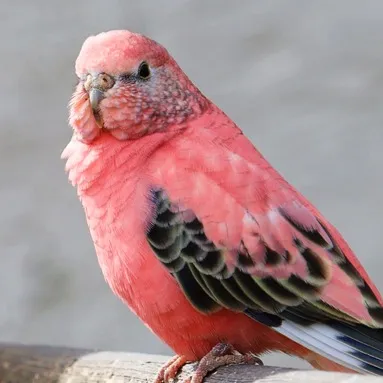
Bourke's Parakeets.
Lovebirds.
Wild Habitat
Written by
Happy Pet TeamAuthor
Team Happy Pet is a passionate collective of pet experts, enthusiasts, and advocates dedicated to sharing trusted and insightful content.
Our cont
Compare with similar breeds
Frequently Asked Questions
Are budgerigars good pets?
Absolutely! Budgies are affectionate, social, and playful. Great for beginners—just be ready to offer daily interaction, safe toys, and regular out-of-cage time.
What should my budgie eat every day?
Feed 60–70% high-quality pellets, plus 20–25% fresh veggies and fruits. Add a small amount of seeds or millet treats. Always provide clean water.
Can I give seeds or nuts?
Yes, but in moderation. Seeds and nuts are high in fat. Limit them to treats, using only safe options like millet sprays or unsalted nuts.
What foods should my budgie avoid?
Never feed avocado, chocolate, caffeine, alcohol, onions, garlic, raw beans, fruit pits/seeds, mushrooms, salt, sugar, or xylitol. These can cause serious health issues.
Where do budgies live in the wild?
Budgies are native to Australia’s dry plains and open woodlands. They form large, nomadic flocks, nesting in tree hollows and traveling for food and water.
Where should I keep my budgie at home?
Keep the cage in a busy part of the home, with perches, toys, and daily supervised out-of-cage time. But ensure there’s a quiet corner for resting.