
Home
/
Fish species
/
Yellow Tang
Yellow Tang
Origin
Indo-Pacific
Habitat Size
150-400 Liters
Water Type
Salt Water
Water Temperature
22º-28ºC
Cost in India
₹200 - ₹300
Size
7 - 8 inches (Medium)
Diet
Herbivore

by Happy Pet TeamUpdated on 25 Nov 2025
Yello Tang Fish Guide
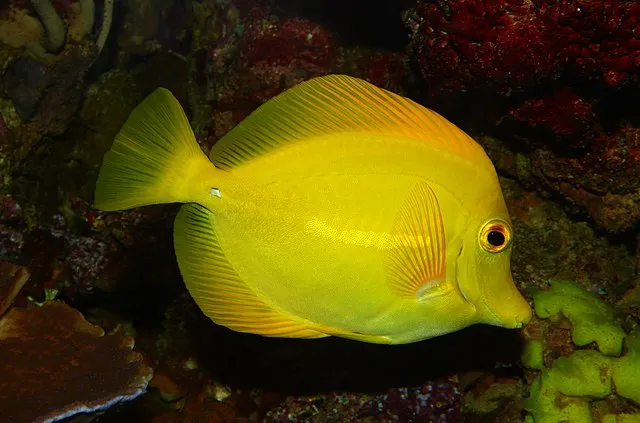
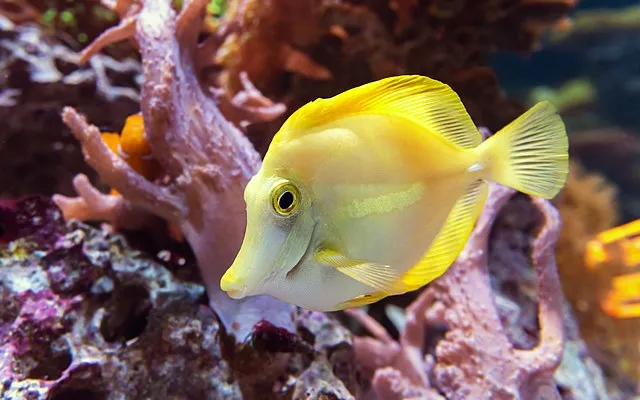
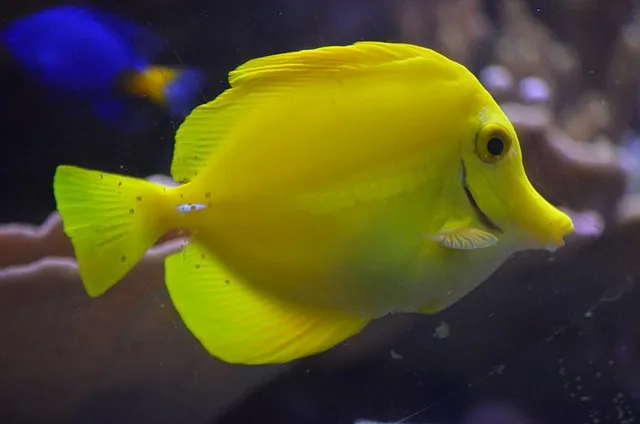
The Yellow Tang is a bright yellow reef fish that looks like sunshine in the ocean. It is very popular in home aquariums because of its cheerful color and interesting shape. What makes it special is how it uses a sharp spine near its tail to protect itself, and how its colour slightly changes at night.
Yellow Tang Origin
The Yellow Tang lives in the Pacific Ocean. It is originally from places like:
- Hawaii
- The Mariana Islands
- The Marshall Islands
- Ryukyu Islands
- Marcus and Wake Islands
It lives in coral reefs at depths from about 2 to 46 metres.
Temperament
- Yellow Tangs are mostly peaceful but can become a bit territorial, especially as juveniles.
- They are active during the day (diurnal), moving around the reef to eat algae, and rest at night in coral or rock crevices.
Compatibility
- They do well with other non-aggressive fish species. Because they are reef fish, they like companions who won’t bother them or fight over the same hiding spaces.
- Avoid keeping them with very aggressive fish, or ones that might see their bright colour as a challenge or competition. Also, avoid fish that might nip their fins.
Yellow Tang Price in India
- The price can vary a lot depending on size, whether it's wild-caught or captive-bred, shipping/import cost, and rarity.
- For a small to medium-sized Yellow Tang (juvenile), current prices might start somewhere lower, at ₹5,000.
Characteristics
Temperament
Aggressive
Friendly
Compatibility with other fishes
Not Friendly
Super Friendly
Habitat Size
Small
Large


Yellow Tang Habitat Requirements
Initial Setup Cost
₹10,000 - ₹30,000
Water Temperature
22º -28ºC
Water Type
Salt Water
PH Level
8.1 - 8.4
Yellow Tang Tank Type
- Saltwater (marine) reef-type aquarium. Yellow Tangs cannot live in freshwater or brackish water.
Aquarium Size
- Because they grow up to about 20 cm (≈8 inches) total length, they need a large tank.
- A tank of at least 100 gallons (≈380 litres) is often recommended for adult Yellow Tangs. (Smaller tanks might be enough for young fish, but not for full growth.)
Yellow Tang Water Conditions
- Temperature: 24-28 °C (75-82 °F)
- pH level: 8.1-8.4 (normal for a reef aquarium)
- Water hardness: Moderately hard, matching natural reef water (i.e., stable calcium, magnesium, etc.)
Environment Needs
- Live rock and coral structures to hide and rest in at night or when scared.
- Good water circulation is needed, as reefs are well-oxygenated, and moving water helps with algae growth (which the fish eat) and waste removal.
- Strong lighting will help algae grow (since they graze on algae), but also shadows or caves are good, so they have shelter.
Essential Equipment
Aquarium tank
Water filter
Heater
Light
Substrate
Decor
Yellow Tang Nutritional Guide
Avg Monthly Expenses
₹200 - ₹ 300
Yellow Tang Diet Type

- They are herbivores (mostly algae-eaters).
Suitable Foods
- Algae, both filamentous and macroalgae (seaweed), are their main food in the wild.
- In aquariums, leafy seaweed, algae sheets, and plant matter are included in good-quality herbivore flakes or pellets.
- Small amounts of zooplankton or animal-based food can be given sometimes. However, plant matter must be their staple diet.
Feeding Frequency & Tips
- In order to let them always have something for them to graze, give small amounts 2-3 times a day.
- Make sure food doesn’t pollute the water—uneaten food should be removed to keep the water clean.
- Vary the kinds of algae or seaweed so their food stays compelling and nourishing.

Yellow Tang Health & Care
Common Health Issues
White spot / ick
Fin rot
Parasitic infections
Fungal infections
Bacterial infections
Signs of good health
Active
Bright coloration
Good apetite
Undamaged fins
Signs of sickness
Loss of appetite
Lethargic behaviour
White growths
Swimming abnormally
Dull coloring
Common Health Issues
- Marine ich (white spot disease) is one disease they may get.
- Stress that is from poor water quality, sudden changes in temperature, or tank mates that are aggressive may cause an illness or poor growth.
Symptoms to Watch
- White spots on the body or fins
- Loss of appetite or not grazing algae
- Faded colour or dull look
- Clamped fins (fins held close to the body), heavy breathing, or hiding more than usual.
Treatment
- Firstly, quarantine the new fish, then add them to the main tank
- Maintain clean water: regular water changes, good filtration
- For marine ich, use proper medication designed for saltwater fish
- Keep the tank stable in temperature and chemistry to reduce stress.
Yellow Tang General Health Tips
- Keep nitrate, phosphate, and ammonia levels very low
- Monitor pH, salinity, and temperature daily if possible
- Provide hiding places so fish feel secure
- Avoid overcrowding
Prerequisites for a Fish
Adequate tank space
Cleanliness
Effort & commitment
Enriching Environment

Written by
Happy Pet TeamAuthor
Team Happy Pet is a passionate collective of pet experts, enthusiasts, and advocates dedicated to sharing trusted and insightful content.
Our cont
Frequently Asked Questions
Do Yellow Tangs require a specific diet?
Yes, Yellow Tangs are herbivores and need a diet rich in algae and vegetable matter. They can be fed high-quality marine algae, seaweed, and commercial herbivore preparations. Supplementing their diet with occasional treats like spirulina flakes or blanched vegetables can be beneficial.
Are Yellow Tangs aggressive?
Yellow Tangs are generally peaceful but can become territorial, especially towards other tangs or fish with similar body shapes. Providing plenty of hiding spots and territories can help mitigate aggression in a tank.
How long do Yellow Tangs live?
In optimal aquarium conditions, Yellow Tangs can live for approximately 20 to 30 years.