
Home
/
Fish species
/
Volitan Lionfish
Volitan Lionfish
Origin
Indo-Pacific
Habitat Size
150-400 Liters
Water Type
Salt Water
Water Temperature
24º-28ºC
Cost in India
₹200 - ₹300
Size
12 - 15 inches (Medium)
Diet
Herbivore

by Happy Pet TeamUpdated on 1 Dec 2025
Volitan Lionfish Fish Guide
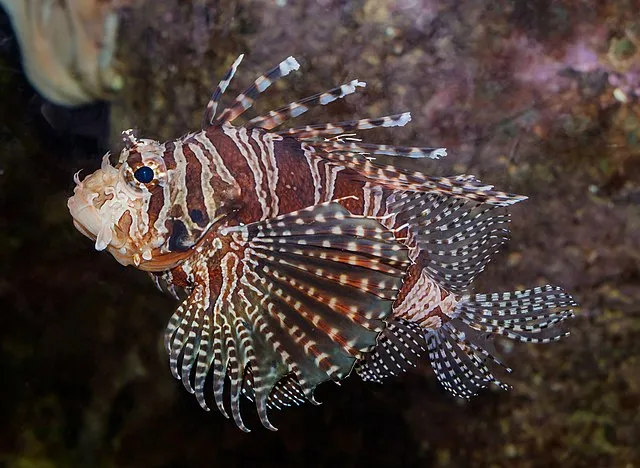
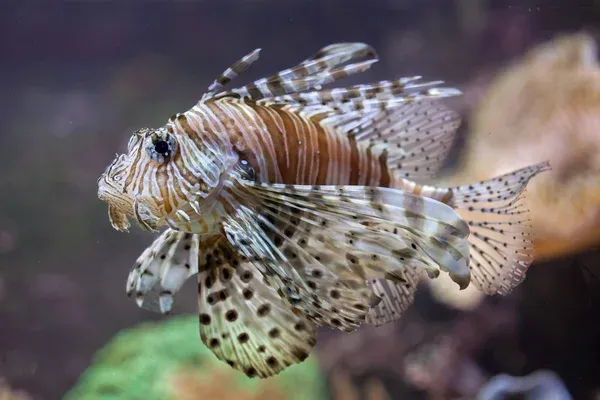
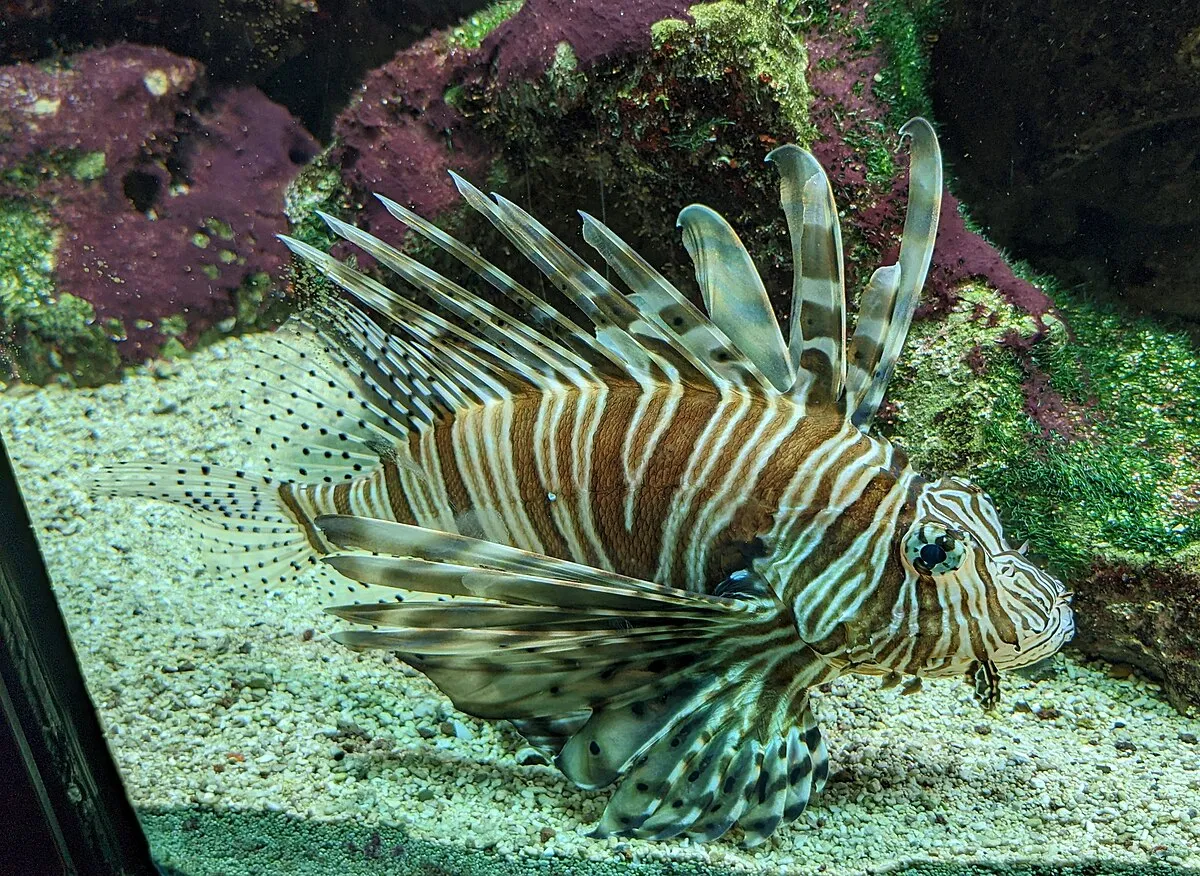
The Volitan Lionfish, also called red lionfish, has long fin “wings” and bold stripes of red, brown, or maroon across a white or yellowish body.
Characteristics
Temperament
Aggressive
Friendly
Compatibility with other fishes
Not Friendly
Super Friendly
Habitat Size
Small
Large


Volitan Lionfish Habitat Requirements
Initial Setup Cost
₹10,000 - ₹30,000
Water Temperature
24º -28ºC
Water Type
Salt Water
PH Level
8.1 - 8.4
Volitan Lionfish Tank Type
Essential Equipment
Aquarium tank
Water filter
Heater
Light
Substrate
Decor
Volitan Lionfish Nutritional Guide
Avg Monthly Expenses
₹200 - ₹ 300
Volitan Lionfish Diet Type


Volitan Lionfish Health & Care
Common Health Issues
Fin rot
White spot / ick
Bacterial infections
Swim bladder disease
Velvet disease (yellowish-brown spots on the skin)
Mouth fungus
Signs of good health
Active
Bright coloration
Good apetite
Signs of sickness
Loss of appetite
Lethargic behaviour
Frequent hiding
Dull coloring
Tattered fins
Common Health Issues
Prerequisites for a Fish
Adequate tank space
Cleanliness
Effort & commitment
Enriching Environment
Written by
Happy Pet TeamAuthor
Team Happy Pet is a passionate collective of pet experts, enthusiasts, and advocates dedicated to sharing trusted and insightful content.
Our cont
Frequently Asked Questions
Are Volitan Lionfish aggressive?
Yes, Volitan Lionfish are predatory and can be aggressive towards smaller tank mates that they perceive as prey. They are generally solitary and should be housed with larger, more robust fish that are not easily intimidated or seen as food.
Are Volitan Lionfish suitable for beginners?
Due to their specialized care requirements, including their diet, tank size needs, and potential aggression towards tank mates, Volitan Lionfish are generally recommended for experienced aquarists who are familiar with managing large predatory fish.
Do Volitan Lionfish require special care?
Yes, Volitan Lionfish require careful consideration of their venomous spines. Handlers should avoid contact with these spines, as they can cause painful stings and, in rare cases, allergic reactions. Handling with a net and using caution during tank maintenance is crucial.