
Home
/
Fish species
/
Three-lined Corydoras
Origin
South America
Habitat Size
50-150 liters
Water Type
Fresh Water
Water Temperature
22º-26ºC
Cost in India
₹80 - ₹150
Size
2 - 2.5 inches (Small)
Diet
Omnivore
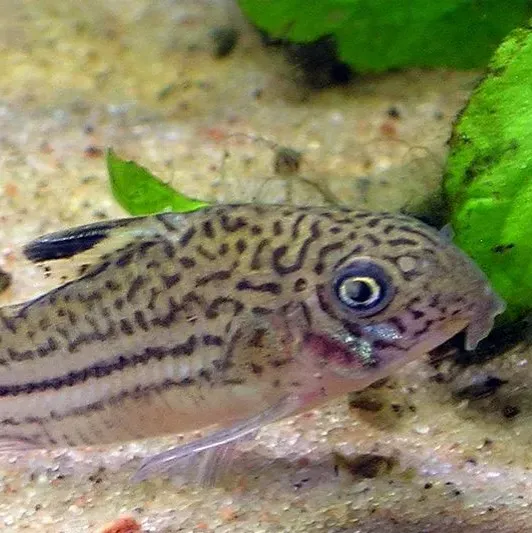
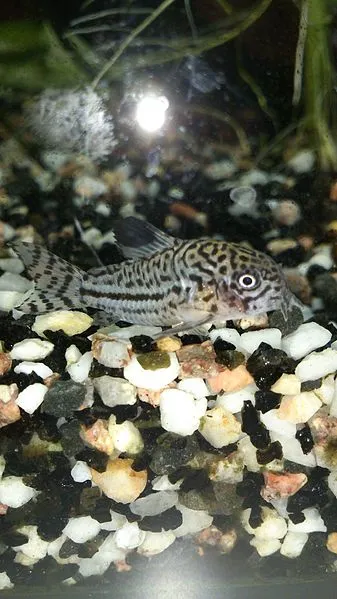
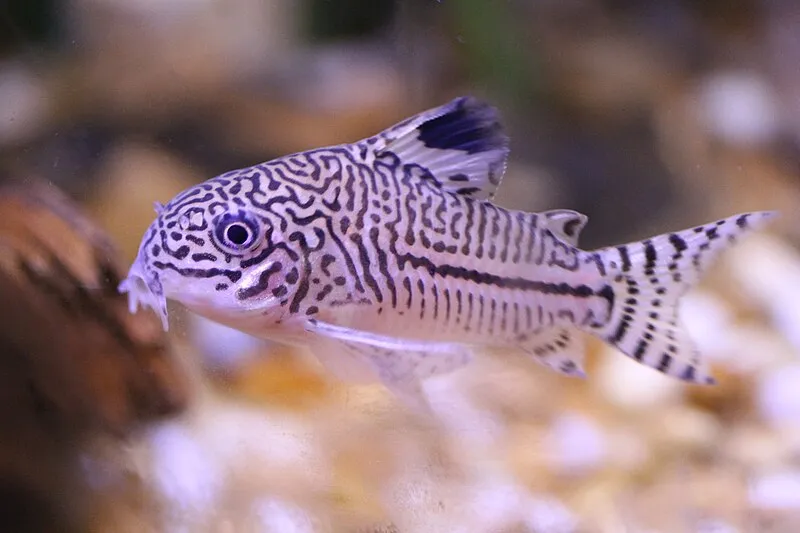

by Happy Pet TeamUpdated on 1 Dec 2025
The Three-lined Corydoras Fish Guide
The Three-lined Corydoras, also called the Three-stripe or Leopard Cory, is a small, pretty catfish with dark lines and spots on a pale body. They are popular in home aquariums because they are peaceful, active along the bottom, and easy to care for when kept in groups.
Origin
- These corydoras come from parts of South America — the central Amazon basin, such as:
- Brazil
- Peru
- Colombia and the nearby rivers
- They are wild freshwater fish that aquarists have kept and bred for many years.
Temperament
- They are very peaceful and social
- Three-lined Corys like to shoal (stay in small groups)
- At first, they're usually shy, but they become bolder in groups of 6 or more
- They don’t bully other fish and mostly mind their own business near the tank bottom
Three-lined Corydoras Compatibility
Good tankmates:
- Small, calm fish like:
- Tetras
- Rasboras
- Pencilfish
- Dwarf cichlids
Avoid:
- Big, aggressive species that chase or nip fins
- Because they are bottom-dwellers, also avoid very territorial bottom fish
Three-lined Corydoras Price Range in India
- In India, prices vary by size and seller. Typical retail listings show a wide range, roughly ₹150 to ₹1,300 per fish — lower for tiny juveniles and higher for larger or locally bred specimens.
Characteristics
Temperament
Aggressive
Friendly
Compatibility with other fishes
Not Friendly
Super Friendly
Habitat Size
Small
Large


Three Lined Corydoras Habitat Requirements
Initial Setup Cost
₹4,000 - ₹12,000
Water Temperature
22º -26ºC
Water Type
Fresh Water
PH Level
6.5 - 7.5
Tank Type
- Freshwater community aquarium
Three-lined Corydoras Aquarium size
- 20 litres (≈5 gallons) for a small group
- 40–60 litre (10–15 gallons) tank or larger is much better for groups and other fish
Water conditions
- Temperature: 22–26°C (71–79°F).
- pH: 6.0–8.0 (they tolerate a range but prefer neutral to slightly acidic water)
- Hardness: soft to moderately hard (approx 5–19 dGH)
Three-lined Corydoras Environment needs
- Use a soft, smooth substrate that is fine sand or smooth gravel to help prevent injuries to their barbels.
- Needs plenty of hiding spots in plants, driftwood, and rocks with smooth edges.
- Prefer clean, well-oxygenated water with gentle, clear water and good filtration: do not like strong currents.
- These fish like light that is low to medium. They become even more active, mostly around both dawn and dusk.
Essential Equipment
Aquarium tank
Water filter
Heater
Light
Substrate
Decor
Three Lined Corydoras Nutritional Guide
Avg Monthly Expenses
₹80 - ₹ 150
Diet type

- Omnivore
- They eat both animal and plant matter
Three-lined Corydoras Suitable Foods
- Sinking pellets or wafers made for bottom feeders
- Frozen or live foods:
- Bloodworms
- Daphnia
- Baby brine shrimp
- Occasional blanched vegetables (zucchini, cucumber) and high-quality flakes (that sink)
Feeding frequency & tips
- Feed once or twice a day, small portions that they can eat in a few minutes.
- Remove leftover food to keep water clean.
- Feed a varied diet for the best colour and health.
- When feeding, watch them pick food from the substrate as they are natural scavengers.

Three-lined Corydoras Health & Care
Common Health Issues
Fin rot
White spot / ick
Bacterial infections
Fungal infections
Fungus
Swim bladder disease
Parasitic infections
Signs of good health
Active
Bright coloration
Good apetite
Signs of sickness
Lethargic behaviour
Loss of appetite
White growths
Tattered fins
Swimming abnormally
Three-lined Corydoras Common Health Issues
Ich (White Spot Disease)
Ich is a parasite that makes white dots on the fish’s body and fins. Infected fish may scratch on objects and breathe fast. To cure that, raise the temperature slightly (follow safe limits), add aquarium-safe ich medicine, and do good water changes. Quarantine new fish to prevent the spread.
Barbel Damage / Infection
Barbels (whiskers) can get hurt by sharp substrate or poor water. When damaged, they can become short or show infection. To cure that, use soft sand, keep water very clean, and use antibacterial treatment if infection appears. Prevent by avoiding gravel with sharp edges.
Fungal infections
Soft, white cottony patches may appear after an injury or when the water quality is bad. To cure that, improve water quality, raise the temperature slightly, and use antifungal aquarium treatment following the instructions. Quarantine sick fish if possible.
Fin rot
Frayed or rotting fins are often from bacteria in poor water. Fish may stop swimming well. To cure that, improve water quality, perform regular water changes, and use antibacterial treatments if needed. Prevent by keeping the tank clean and avoiding overcrowding.
Three-lined Corydoras General Health Tips
- Keep water clean with regular partial water changes
- Avoid sharp substrate
- Keep them in groups of at least 6
- Feed a varied diet
- Quarantine new arrivals for a week to watch for disease.
- Healthy water and a calm community are the best medicine.
Prerequisites for a Fish
Adequate tank space
Cleanliness
Effort & commitment
Enriching Environment

Written by
Happy Pet TeamAuthor
Team Happy Pet is a passionate collective of pet experts, enthusiasts, and advocates dedicated to sharing trusted and insightful content.
Our cont
Frequently Asked Questions
What size tank do Three-lined Corydoras need?
They require at least a 30-liter tank with soft substrate and hiding spots.
How often should Three-lined Corydoras be fed?
A: Feed them once or twice daily, offering a variety of foods to ensure balanced nutrition.
Are Three-lined Corydoras suitable for beginners?
Yes, they are ideal for beginners due to their peaceful nature and low maintenance requirements.