
Home
/
Fish species
/
Spotted hoplo
Spotted hoplo
Origin
South America
Habitat Size
50-150 liters
Water Type
Fresh Water
Water Temperature
22º-28ºC
Cost in India
₹80 - ₹150
Size
2 - 3 inches (Small)
Diet
Omnivore

by Happy Pet TeamUpdated on 2 Dec 2025
Spotted Hoplo Fish Guide
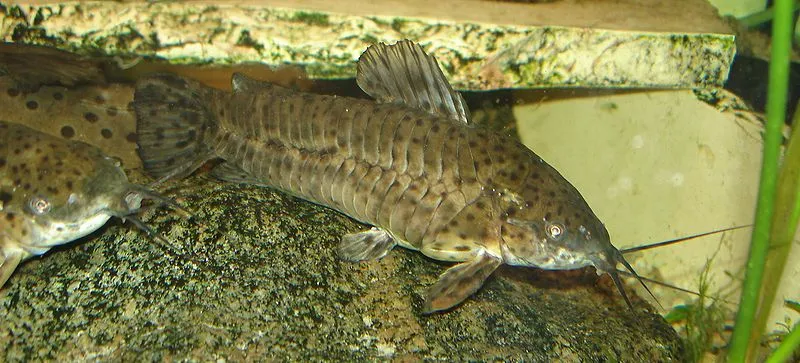
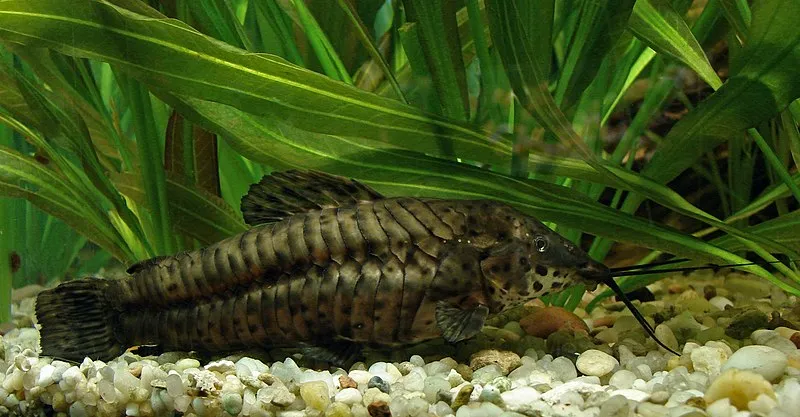
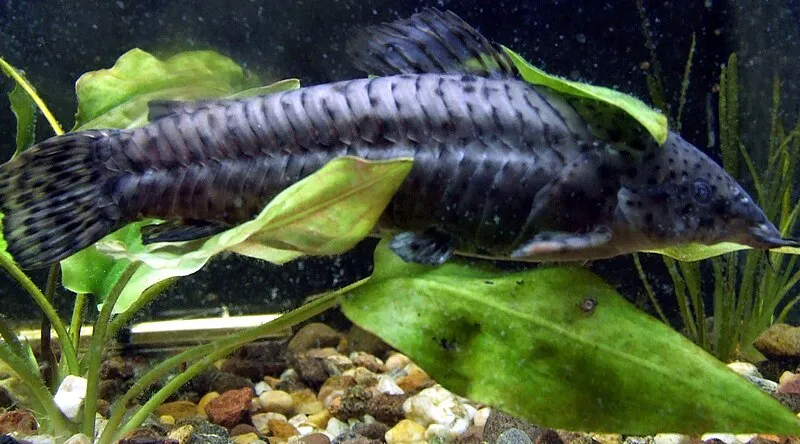
The Spotted Hoplo (scientific name Megalechis thoracata) is an armored catfish with a brown body covered in dark spots and stripes. It is popular because it looks interesting, is active, and can live in many tank conditions. The fish is unique because it can breathe air from the surface, and males build foam (bubble) nests when they breed.
Spotted Hoplo Origin
- Comes from South America — the Amazon, Orinoco, and nearby rivers, and some coastal rivers in the Guianas and northern Brazil.
Temperament
- Mostly peaceful and active at the bottom of the tank
- Can become a little protective during breeding when males guard the bubble nest
Compatibility
- Good with medium or large peaceful community fish (for example, bigger tetras, barbs, rasboras).
- Avoid tiny fish (that can fit in the Hoplo’s mouth) and very aggressive or large cichlids that might bully or eat it.
Spotted Hoplo Price Range
- Typical international retail prices for adults are often USD 12–35, depending on size and morph (normal vs albino). Converted and allowing for import/shipping in India, a reasonable estimate is ₹600 — ₹2,500 per fish, depending on size and availability.
Characteristics
Temperament
Aggressive
Friendly
Compatibility with other fishes
Not Friendly
Super Friendly
Habitat Size
Small
Large


Spotted Hoplo Habitat Requirements
Initial Setup Cost
₹4,000 - ₹12,000
Water Temperature
22º -28ºC
Water Type
Fresh Water
PH Level
6.5 - 7.5
Tank Type
- Freshwater only
Spotted Hoplo Aquarium Size
- Minimum recommended: 120 cm / 4 ft long tank for adults or a tank of 100–150 litres if keeping a small group. They need space to swim and dig.
Water Conditions
- Temperature: 22–28 °C (72–82 °F)
- pH level: About 6.0–8.0 (slightly acidic to neutral)
- Water hardness: Soft to moderately hard (approx 4–12 dGH)
Spotted Hoplo Environment Needs
- Substrate: Soft sand is best — gentle on their long barbels.
- Decor: Plenty of shady hiding spots — bogwood, rocks, caves, and strong plants. Secure decorations so digging Hoplos don’t topple them.
- Lighting: Not too bright. Floating plants help diffuse light. A blue moon light is nice for evening viewing.
- Water flow & oxygen: They like good oxygen and moderate current; they can gulp air from the surface if oxygen is low.
Essential Equipment
Aquarium tank
Water filter
Heater
Light
Substrate
Decor
Spotted Hoplo Nutritional Guide
Avg Monthly Expenses
₹80 - ₹ 150
Spotted Hoplo Diet Type

- Omnivore (foraging bottom-feeder)
Suitable Foods
- Sinking pellets and wafers made for bottom-feeders.
- Frozen or live foods like bloodworms, daphnia, and tubifex sometimes.
- Small pieces of vegetables (blanched zucchini or cucumber) occasionally.
Spotted Hoplo Feeding Frequency & Tips
- Feed once or twice a day.
- Give only what they eat in a few minutes.
- Scatter food in different places so that quick, hungry fish don’t steal all the food from Hoplos.
- Watch their barbels — gentle sand helps them find food without damage.

Spotted Hoplo Health & Care
Common Health Issues
Fin rot
White spot / ick
Fungus
Swim bladder disease
Bacterial infections
Parasitic infections
Signs of good health
Active
Bright coloration
Good apetite
Undamaged fins
Signs of sickness
Lethargic behaviour
Loss of appetite
White growths
Swimming abnormally
Cloudy eyes
Spotted Hoplo common health issues
Ich (White Spot Disease)
Ich comes from a microscopic parasite that produces tiny white spots on the fish's body, fins, and gills. Fish that are infected might rub their bodies on the decor at the side of the tank or show rapid breathing and a lack of appetite. Recommended treatment is to slightly raise the tank temperature (if possible), perform frequent partial water changes, and add ich medication according to product instructions. People commonly use copper-based medications and other formulations that contain malachite green to treat Ich. Before use, people should evaluate other tank inhabitants for tolerability.
Fin Rot (Bacterial or Fungal)
Bacterial or fungal infection can cause fin rot. Fins look ragged, torn, or discolored because water conditions are poor or fish endure stress. The treatment includes improving water quality. Large water changes, cleaning of the filter, removing affected fish to another tank, and using a broad-spectrum anti-bacterial or anti-fungal treatment are options. These can be obtained at the fish store or from a veterinarian. Good nutrition eases recovery. Low-stress environments do so as well.
Internal Parasites / Worms
Symptoms include loss of appetite, weight loss, stringy feces, and swelling. To cure that, treat with anti-parasitic medications (either oral or medicated water). It is also recommended to quarantine the new fish and clean the tank.
Spotted Hoplo General Health Tips
- Weekly water changes of 20-30% will keep the water clean. The water will be healthy with these changes.
- Use a good filter, don't overfeed.
- New fish should be quarantined for 2 to 3 weeks before they are introduced to the main tank.
- Watch behaviour daily — early detection of problems makes treatment easier.
- Since Hoplos can breathe air, ensure a small open gap to the surface and steady oxygen in the water when medicating.
Prerequisites for a Fish
Adequate tank space
Effort & commitment
Cleanliness
Enriching Environment

Written by
Happy Pet TeamAuthor
Team Happy Pet is a passionate collective of pet experts, enthusiasts, and advocates dedicated to sharing trusted and insightful content.
Our cont
Frequently Asked Questions
Are Spotted Hoplos compatible with other fish?
Yes, they are peaceful and generally get along with other non-aggressive species of similar size.
What should I feed my Spotted Hoplo?
Offer them a varied diet including flakes, pellets, and occasional live or frozen foods like bloodworms or brine shrimp.
Do Spotted Hoplos need a heater in their tank?
Yes, they prefer water temperatures between 22-28°C (72-82°F) to remain healthy and active.