
Home
/
Fish species
/
Seahorse
Seahorse
Origin
Australia
Indonesia
Mediterranean Sea
Habitat Size
150-400 Liters
Water Type
Salt Water
Water Temperature
22º-26ºC
Cost in India
₹200 - ₹300
Size
4 - 12 inches (Medium)
Diet
Carnivore
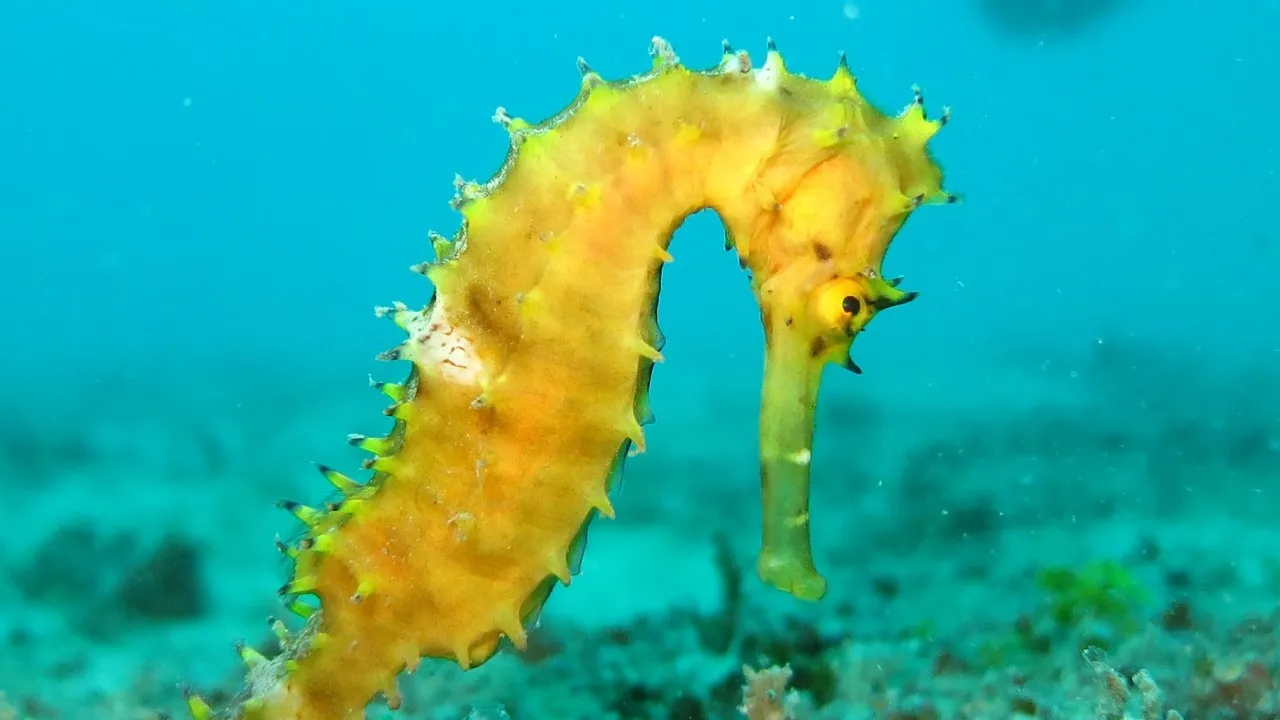
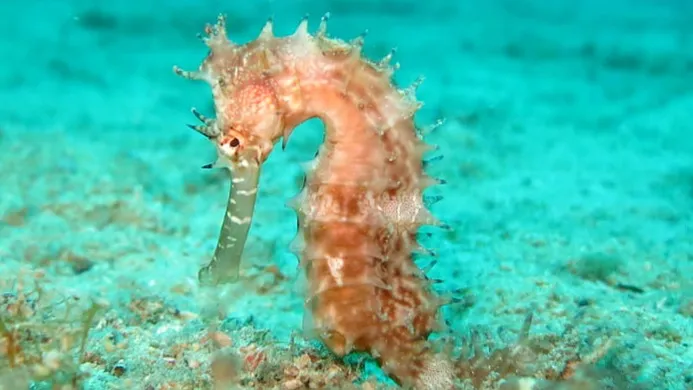
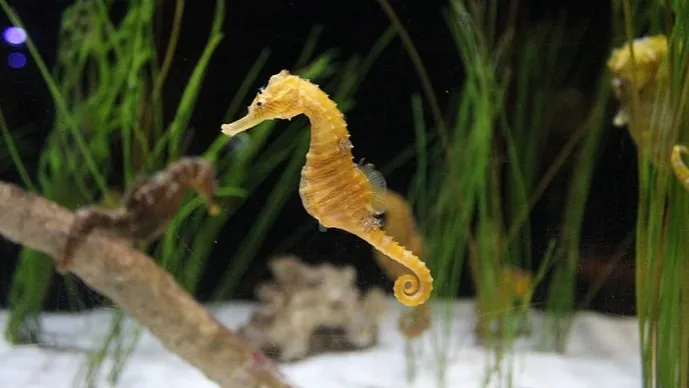

by Happy Pet TeamUpdated on 15 Oct 2025
Introduction to Seahorse
Seahorse is a unique marine fish known mainly for its upright posture and intricate tails. It is popular in saltwater aquariums and requires special care. Many people know them because of the fact that the males carry the eggs until birth. Seahorse’s scientific name is genus Hippocampus.
Characteristics
Temperament
Aggressive
Friendly
Compatibility with other fishes
Not Friendly
Super Friendly
Habitat Size
Small
Large


Habitat & Tank Requirements for Seahorse
Initial Setup Cost
₹10,000 - ₹30,000
Water Temperature
22º -26ºC
Water Type
Salt Water
PH Level
8.1 - 8.4
Maintaining proper Seahorse habitat setup is one of the most important aspects of daily care. They must be kept in the best living conditions to ensure they live a long and happy life. Below are the key parameters that must be met:
Essential Equipment
Aquarium tank
Water filter
Heater
Light
Substrate
Decor
Diet & feeding guide for Seahorse
Avg Monthly Expenses
₹200 - ₹ 300
Feeding is another central pillar of seahorse fish health. They have no true stomach so they digest food quickly and need frequent feedings.


Health Care & Common Health Issues in Seahorse
Common Health Issues
Fungal infections
Parasitic infections
White spot / ick
Bacterial infections
Ammonia poisoning
Velvet disease (yellowish-brown spots on the skin)
Signs of good health
Bright coloration
Active
Good apetite
Signs of sickness
Loss of appetite
Lethargic behaviour
Frequent hiding
Dull coloring
Tattered fins
Seahorses are susceptible to disease, stress, and environmental issues even with good care. Therefore, monitoring and maintenance are essential.
Prerequisites for a Fish
Adequate tank space
Effort & commitment
Enriching Environment
Cleanliness
Written by
Happy Pet TeamAuthor
Team Happy Pet is a passionate collective of pet experts, enthusiasts, and advocates dedicated to sharing trusted and insightful content.
Our cont
Frequently Asked Questions
Can seahorses be kept with invertebrates like shrimp or crabs?
Seahorses can generally coexist with small, peaceful invertebrates like certain types of shrimp, snails, and crabs. However, be cautious with larger or more aggressive invertebrates that might harass or prey on seahorses. Always research potential tankmates to ensure compatibility and avoid stress or harm to your seahorses.
Can seahorses be kept with other fish?
Seahorses are generally best kept in a species-specific tank or with very peaceful tankmates. They are slow swimmers and can be outcompeted for food by more aggressive or faster fish. Avoid keeping them with species that may nip at their tails or fins.
What do seahorses eat?
Seahorses are carnivorous and primarily eat live or frozen foods such as mysis shrimp, small crustaceans, and copepods. They have small mouths and require foods that are appropriately sized. High-quality frozen foods can also be offered, but live foods are often preferred for maintaining their health and stimulating natural hunting behavior.