
Home
/
Fish species
/
Salt and Pepper Corydoras
Origin
Colombia
Venezuela
Habitat Size
20-50 liters
Water Type
Fresh Water
Water Temperature
22º-26ºC
Cost in India
₹50 - ₹100
Size
1 - 1.2 inches (Nano)
Diet
Omnivore

by Happy Pet TeamUpdated on 2 Dec 2025
Salt and Pepper Corydoras Fish Guide
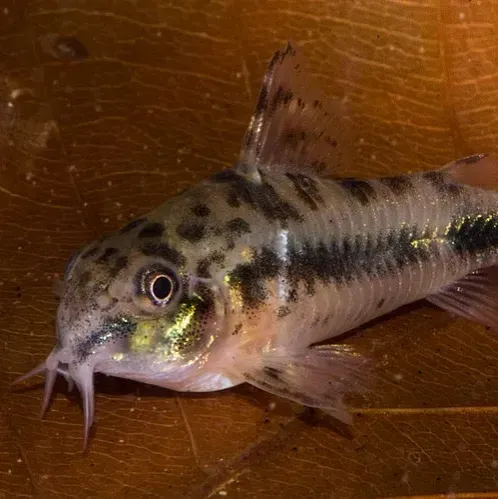
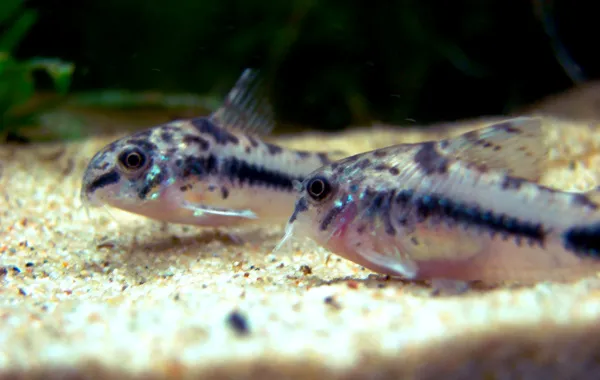
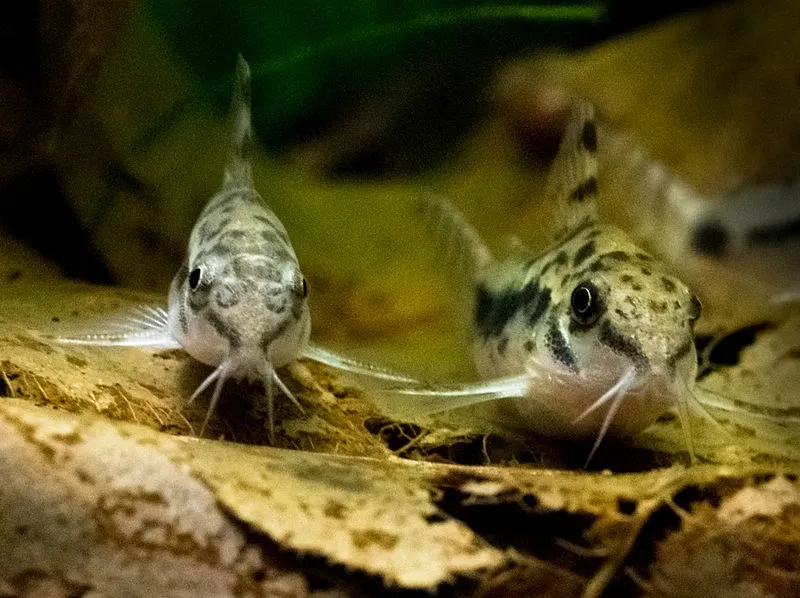
Salt and Pepper Corydoras are tiny, pretty catfish with a tan body sprinkled with black “salt and pepper” spots. They are popular in planted tanks because they are peaceful, active, and move in groups, making the bottom of the tank lively. These little fish grow very small (about 3–3.5 cm) and are known for being gentle and curious.
Origin
- Native to Colombia and Venezuela in South America
- Found in slow-moving shallow rivers and streams
- Live in areas filled with plants, fallen leaves, and soft sandy bottoms
- Sometimes swim to the surface to take small gulps of air
Temperament
- Very peaceful and friendly fish
- Schooling fish — happiest when kept in groups of 6 or more
- Curious and active, often seen searching the bottom for food
- Never harm or fight with other fish
Salt and Pepper Corydoras Compatibility
Best Tank mates:
- Small, calm fish like:
- Ember Tetras
- Dwarf Rasboras
- Endlers
- Small shrimps
Avoid:
- Large, fast, or fin-nipping fish (like Barbs or Cichlids).
- Do well in a peaceful community tanks with other gentle species.
Salt and Pepper Corydoras Price Range in India
- In India, they generally cost ₹75 – ₹500 per fish, depending on the shop and size.
- Pairs or groups might cost more, up to around ₹1,000–₹1,300 for rare stock.
- Prices vary with region and availability.
Characteristics
Temperament
Aggressive
Friendly
Compatibility with other fishes
Not Friendly
Super Friendly
Habitat Size
Small
Large


Salt and Pepper Corydoras Habitat Requirements
Initial Setup Cost
₹3,000 - ₹6,000
Water Temperature
22º -26ºC
Water Type
Fresh Water
PH Level
6 - 7.5
Tank Type
- Freshwater tropical aquarium
- Avoid salt or brackish water — they can’t survive in it
Salt and Pepper Corydoras Aquarium Size
- Minimum tank size: 14 gallons (≈55 liters)
- A larger tank is better if you plan to keep a school or mix with other fish
Water Conditions
- Temperature: 24–27°C (75–80°F)
- pH level: 5.5 – 7.5 (slightly acidic to neutral)
- Water hardness: 2–10 dGH (soft to moderately hard)
- Keep water clean, stable, and warm
Salt and Pepper Corydoras Environment Needs
- Substrate: Soft sand (prevents barbel injury).
- Plants: Lots of live or fake plants for hiding and comfort.
- Decor: Driftwood, leaves, and small caves.
- Lighting: Gentle to moderate light — not too bright.
- Filtration: Gentle water flow; avoid strong currents.
Essential Equipment
Aquarium tank
Water filter
Heater
Light
Substrate
Decor
Salt and Pepper Corydoras Nutritional Guide
Avg Monthly Expenses
₹50 - ₹ 100
Diet Type

- Omnivore — eats both animal and plant-based food.
Salt and Pepper Corydoras Suitable Foods
- Small sinking pellets or wafers made for catfish.
- Frozen or live foods:
- Baby brine shrimp
- Bloodworms
- Daphnia
- Occasional veggies: small bits of blanched spinach or zucchini.
- Crumbled fish flakes that sink to the bottom.
Feeding Frequency & Tips
- Feed once or twice daily — only what they can eat in 2–3 minutes.
- Remove uneaten food to keep the water clean.
- Use sinking food so all fish in the group can eat easily.
- Give variety — pellets for daily meals, live food as treats.

Salt and Pepper Corydoras Health & Care
Common Health Issues
White spot / ick
Fin rot
Bacterial infections
Fungal infections
Parasites
Ammonia poisoning
Signs of good health
Active
Bright coloration
Good apetite
Signs of sickness
Loss of appetite
Dull coloring
White growths
Tattered fins
Lethargic behaviour
Ich (White Spot Disease)
This is a common disease that shows up as tiny white spots on the fish’s body and fins. Affected fish may rub against objects and breathe fast. It can be treated by slightly raising the temperature and using a safe ich medicine. Clean water helps recovery.
Fin Rot
Fins may appear torn, frayed, or smaller than normal. This often happens due to dirty water or injuries. The treatment is simple — keep water clean, feed healthy food, and use antibacterial medicine if needed.
Barbel Damage
Their whiskers (called barbels) can wear down or get infected if the tank floor is rough. Always use soft sand and clean water. If infection occurs, use a mild aquarium-safe treatment.
Swim Bladder or Stress Issues
Salt and Pepper Corydoras will often stop feeding or behave erratically. This happens in poor water conditions or under bullying. For best results in such cases, water conditions should be improved, aggressors removed, or the fish should be given more space in a peaceful group for assistance.
Salt and Pepper Corydoras General Health Tips
- Perform weekly 20-30% water changes for clean water.
- Keep the tank heavily planted. Add leaf litter to mimic their natural habitat.
- Watch your fish daily, then write down any changes to behavior or body. Early action promotes recovery.
Prerequisites for a Fish
Adequate tank space
Cleanliness
Effort & commitment
Enriching Environment

Written by
Happy Pet TeamAuthor
Team Happy Pet is a passionate collective of pet experts, enthusiasts, and advocates dedicated to sharing trusted and insightful content.
Our cont
Frequently Asked Questions
What substrate is best for Salt and Pepper Corydoras?
Soft sand or fine gravel is recommended to protect their sensitive barbels while foraging.
Do Salt and Pepper Corydoras need a heater in their tank?
Yes, maintaining a stable temperature between 22-26°C is important for their health.
Can Salt and Pepper Corydoras be kept with other fish?
Yes, they are peaceful and do well with other small, non-aggressive fish species.