
Home
/
Fish species
/
Rummy-nose Tetra
Rummy-nose Tetra
Origin
South America
Habitat Size
20-50 Liters
Water Type
Fresh Water
Water Temperature
23º-28ºC
Cost in India
₹50 - ₹100
Size
1 - 2 inches (Nano)
Diet
Omnivore

by Happy Pet TeamUpdated on 2 Dec 2025
Introduction of the Rummy-nose Tetra
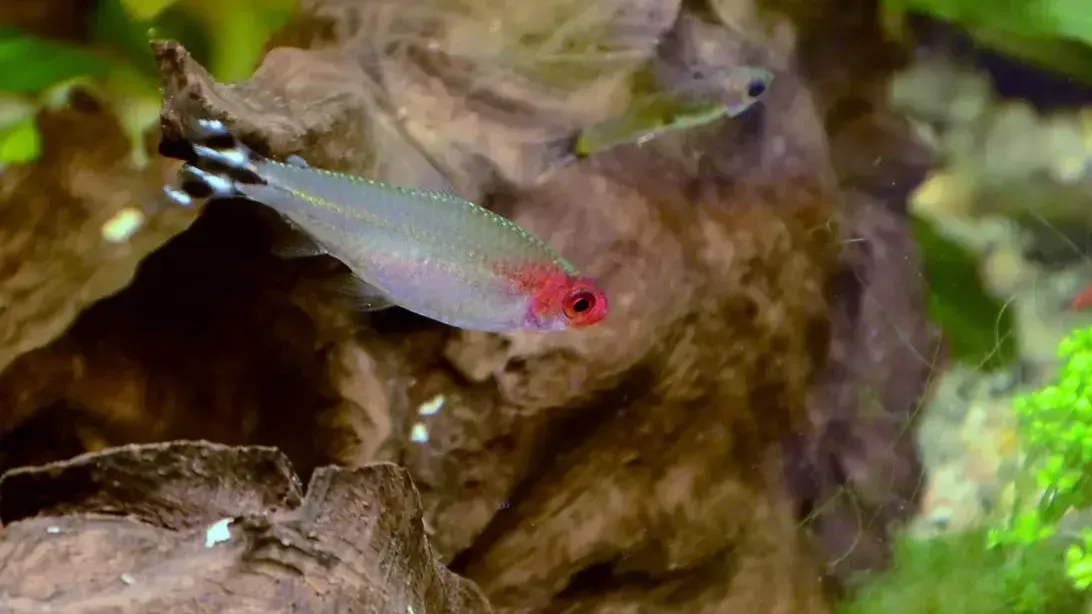
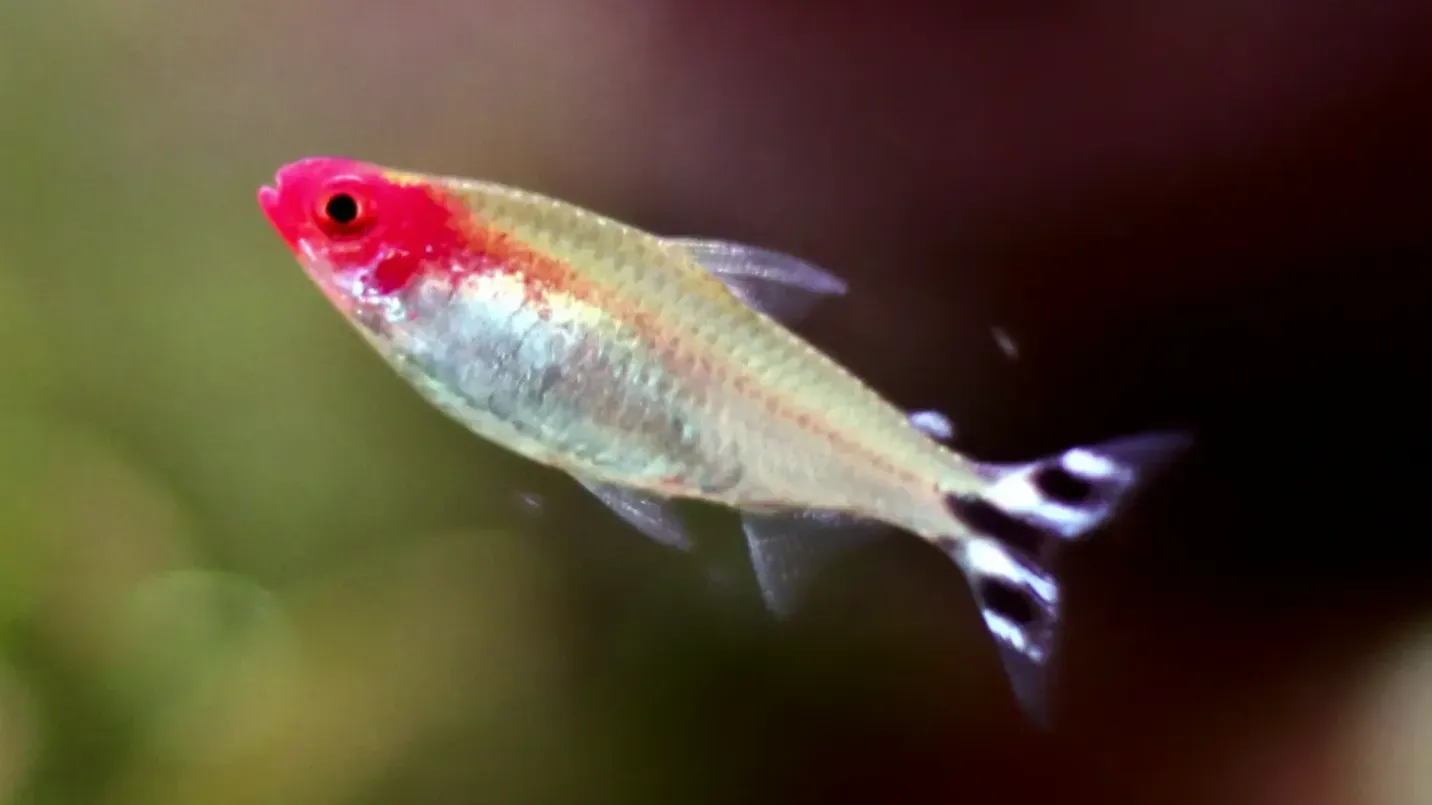
Rummy-nose Tetra (Hemigrammus rhodostomus) is a calm freshwater aquarium fish with compact size and is prized because of its reddish-colored nose and brilliant black-and-white striped tail. With silver appearance and iridescent flake scales, it looks incredible in planted community aquariums.
Both sexes are similar in color, but the females become rounded on maturation. These tetras are active schooling fish that make a fascinating sight when maintained in schools. They are hardy, sociable, and suitable for beginners as well as intermediate aquarists interested in active community tanks.
Origin of the Rummy-nose Tetra
Rummy-nose Tetras occur naturally in South America, that is, in Venezuela, Colombia, and the Brazilian river basins of Rio Orinoco and Rio Negro. They occupy slow currents of rivers, streams, and soft acid water floodplains that are thickly vegetated. In nature, the tetras school in incredibly large numbers, which helps to hide them from predators and facilitate them to swim normally. Being bred and maintained has made them that common for aquaria.
Temperament of Rummy-nose Tetra
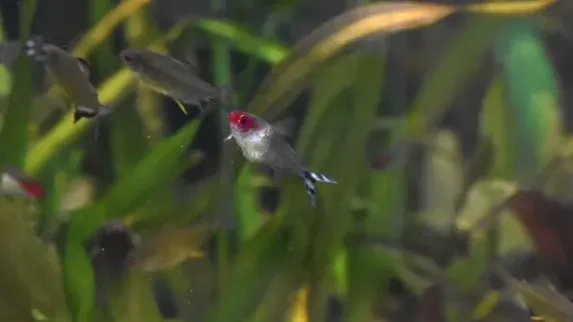
Rummy-nose Tetras are very peaceful and non-aggressive and extremely social. They are relaxed with a minimum of six or more of their own species, which serves to decrease stress as well as increase schooling behavior in a very natural way. Although they will chase one another intermittently within the school, this is to be anticipated and will never be aggressive. Their schooling behavior and active swimming movement render one of the prettiest fish to observe in planted aquaria.
Compatibility with Other Fish
Rummy-nose Tetras may be kept in community aquaria with other serene fish. Suitable tankmates are:
Neon tetras, Cardinal tetras, Ember tetras
- Corydoras catfish
- Tiny livebearers such as guppies or platies
- Serene rasboras
Do not keep large or hostile fish such as cichlids or barbs as they will harass or feed on them. They are safe and relaxed as long as they are held in a school of six or more.
Price Range of the Rummy-nose Tetra
Rummy-nose Tetras are cheap and relatively available. They sell at between ₹100 and ₹300 (US $1.50–4) per fish. Because they require schooling, aquarists will buy some at the same time in a way that they will have enough schooling behavior.
Characteristics
Temperament
Aggressive
Friendly
Compatibility with other fishes
Not Friendly
Super Friendly
Habitat Size
Small
Large


Habitat Requirements of the Rummy-nose Tetra
Initial Setup Cost
₹3,000 - ₹6,000
Water Temperature
23º -28ºC
Water Type
Fresh Water
PH Level
6 - 7
Tank Setup
- Minimum tank capacity: 20 gallons for tiny school
- Suggested: 30–40 gallons or more for large groupings and community setups
- Characteristics: dense planting, open swimming area, and soft filtration
Water Conditions
- Temperature: 24–28°C (75–82°F)
- pH level: 6.0–7.5
- Hardness: 2–12 dH
Environmental Requirements
- Substrate: sand or fine gravel
- Plants: floating plants and rooted plants like Java fern or Anubias
- Decorations: driftwood and rocks for hiding places
- Lighting: moderate, to bring out coloration without stressing the fish
Essential Equipment
Aquarium tank
Water filter
Heater
Light
Substrate
Nutritional Guide of the Rummy-nose Tetra
Avg Monthly Expenses
₹50 - ₹ 100
Rummy-nose Tetras are omnivores and must be fed a balanced diet. Foods suggested are:

- Staple: high-quality flake or micro pellet foods
- Protein: frozen or live foods like brine shrimp, daphnia, and bloodworms
- Vegetables: minced zucchini, minced spinach, or spirulina flakes
Feeding instructions:
- Feed 1–2 times per day, small portions
- Alternate diet regularly to keep nose bright red
- Remove any leftover food to keep water quality problems from arising

Health & Care of the Rummy-nose Tetra
Common Health Issues
Fin rot
White spot / ick
Velvet
Columnaris (cotton wool-like growth on the skin)
Ammonia poisoning
Parasitic infections
Signs of good health
Active
Bright coloration
Good apetite
Signs of sickness
Loss of appetite
Lethargic behaviour
Frequent hiding
Dull coloring
Swimming abnormally
Common Issues of the Rummy-nose Tetra
Ich (White Spot Disease)
A parasite that shows up as tiny white dots on body or fins.
- Symptom: Pale or faded nose color, loss of appetite.
- Cure: Use anti-parasitic medication and maintain stable water temperature.
Fin Rot
Usually caused by poor water conditions.
- Symptom: Clamped or frayed fins.
- Cure: Improve tank hygiene and use antibacterial treatment.
Stress-Related Illness
Stress occurs when kept alone, in small groups, or with aggressive tankmates.
- Symptom: Lethargy, hiding, faded colors.
- Cure: Keep in proper schools, avoid overcrowding, and ensure peaceful companions.
Prerequisites for a Fish
Adequate tank space
Cleanliness
Effort & commitment
Enriching Environment

Written by
Happy Pet TeamAuthor
Team Happy Pet is a passionate collective of pet experts, enthusiasts, and advocates dedicated to sharing trusted and insightful content.
Our cont
Frequently Asked Questions
How many Rummy-nose Tetras should be kept together?
It is recommended to keep them in groups of at least six to ensure they feel secure and exhibit natural schooling behavior.
What do Rummy-nose Tetras eat?
They are omnivores and thrive on a varied diet of high-quality flake food, live or frozen foods such as brine shrimp and bloodworms.
What should I do if my Rummy-nose Tetra shows signs of illness?
Isolate the affected fish if possible, test water parameters, and treat with appropriate medication. Ensure regular water changes and maintain stable water conditions.