
Home
/
Fish species
/
Reef Triggerfish
Reef Triggerfish
Origin
Indo-Pacific
Habitat Size
150 - 400 Liters
Water Type
Salt Water
Water Temperature
24º-28ºC
Cost in India
₹200 - ₹300
Size
10 - 12 inches (Medium)
Diet
Omnivore

by Happy Pet TeamUpdated on 1 Dec 2025
Reef Triggerfish Guide
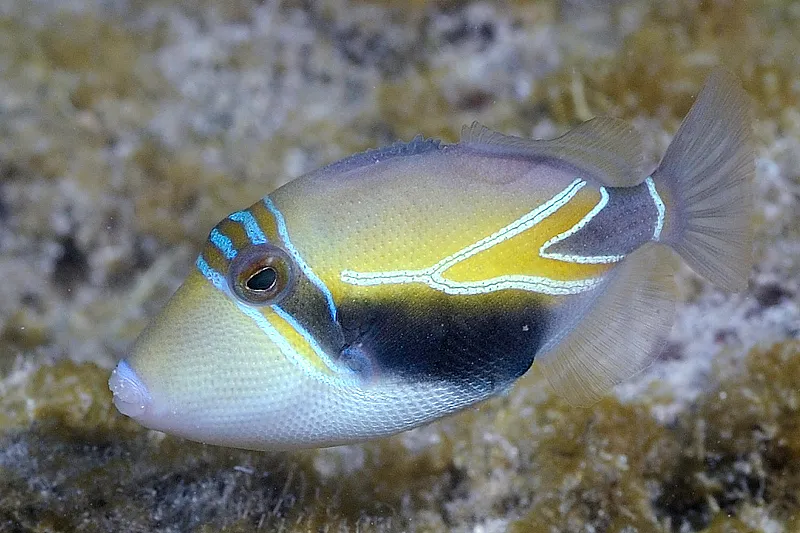
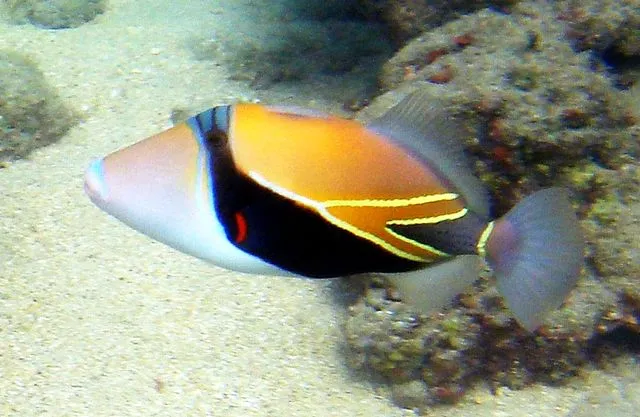
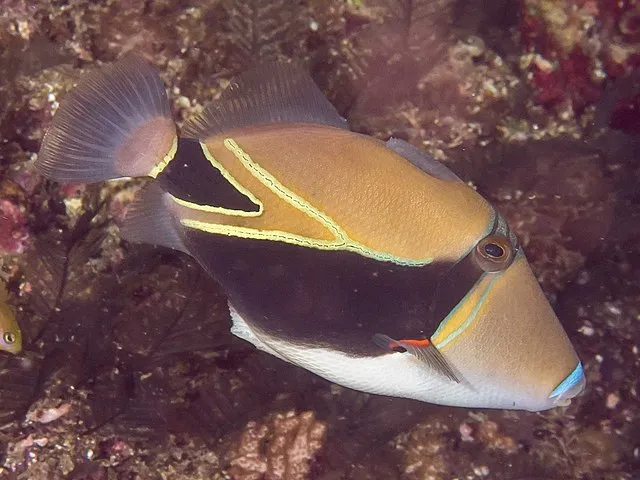
The Reef Triggerfish (scientific name Rhinecanthus rectangulus) is a bright, unusual fish with sharp jaws and a funny name. In Hawaii, it is called humuhumunukunukuāpuaʻa. It's not just a random nickname; it means - triggerfish with a snout like a pig.
It draws attention because of its bold color patterns, strong body, and the way it can lock itself into reef cracks using its spines.
Reef Triggerfish Origin
- The reef triggerfish is found over much of the Indo-Pacific region, including many Pacific islands and parts of the Indian Ocean.
- It naturally lives in coral reefs from the surface down to about 50 meters deep.
- In Hawaiʻi, it has cultural significance and was made the official state fish in 1984, due to its popularity and link to legends.
Temperament
- Reef triggers are territorial and may act aggressively, especially as they grow.
- They dislike being bothered; they will wedge themselves into crevices and lock their spines if threatened.
- They are not super social or schooling fish — they prefer to roam alone or defend their space.
- They are shy of humans; they often keep their distance when someone approaches.
Compatibility
- Reef triggerfish do best with larger and robust tank mates, such as:
- Large wrasses
- Tangs
- Groupers.
- Avoid keeping them with small, delicate, or slow fish. They may bully or eat them.
- They also might eat or bother invertebrates and corals, so coral reef tanks with delicate creatures are risky.
Reef Triggerfish Price Range
- A juvenile reef triggerfish in India might cost somewhere between ₹5,000 and ₹15,000.
- For a nice adult specimen, the price could go higher, possibly ₹15,000 to ₹25,000+, depending on the above factors.
Characteristics
Temperament
Aggressive
Friendly
Compatibility with other fishes
Not Friendly
Super Friendly
Habitat Size
Small
Large


Reef Triggerfish Habitat Requirements
Initial Setup Cost
₹10,000 - ₹30,000
Water Temperature
24º -28ºC
Water Type
Salt Water
PH Level
8.1 - 8.4
Reef Triggerfish Tank Type
- They must be kept in a saltwater (marine) aquarium setup, not freshwater or brackish.
Aquarium Size
- Juvenile reef triggers need a tank of at least 55 gallons (≈ 200 litres) as a minimum.
- Adults require much more space — many suggest 125 gallons or more to allow room for movement and to reduce aggression.
Water Conditions
- Temperature: 22.4 °C to 30.8 °C (72 °F to 78 °F)
- Salinity/Specific Gravity: 1.020 to 1.023 in salinity units
- pH level: 8.1–8.4 (standard for reef tanks)
- Water hardness/minerals: Maintain stable reef water chemistry (calcium, magnesium, alkalinity) as usual in marine systems.
Environment Needs
- Provide rock structures, caves, with hiding crevices so the triggerfish can wedge itself in and take shelter.
- They must be able to move with freedom, so then open space for swimming should be available to them.
- Mimic its natural setting through the use of reef or coral sand substrate within a thin layer.
- Moderate water flow simulates natural reef currents.
- Ensure there is a secure lid or cover, because triggerfish can jump out when startled.
Essential Equipment
Water filter
Heater
Light
Substrate
Decor
Aquarium tank
Reef Triggerfish Nutritional Guide
Avg Monthly Expenses
₹200 - ₹ 300
Reef Triggerfish Diet Type

- The reef triggerfish is a facultative omnivore: it eats both animals and plants (algae and invertebrates), depending on availability.
Suitable Foods
- Live or frozen meaty foods include shrimp, crabs, small crustaceans, worms, snails, etc.
- Algae, as well as seaweed pieces, assist you in achieving balance. They can also give even more variety.
- Occasional prepared marine foods or flakes/pellets that are high in protein may also be accepted.
Feeding Frequency & Tips
- Offer small meals multiple times each day instead of one big meal.
- The fish can wear down its strong teeth, so include hard-shelled prey now and then.
- Remove leftovers so that waste does not spoil the water.
- When introducing food, use tongs or feeding tools because reef triggerfish may mistake fingers for food.

Reef Triggerfish Health & Care
Common Health Issues
White spot / ick
Fin rot
Velvet disease (yellowish-brown spots on the skin)
Swim bladder disease
Parasitic infections
Bacterial infections
Signs of good health
Active
Bright coloration
Good apetite
Signs of sickness
Loss of appetite
Lethargic behaviour
Frequent hiding
Dull coloring
Tattered fins
Common Health Issues
- Marine Ich and other typical marine fish parasites can affect them.
- Dental problems if no hard prey is given (teeth overgrowth).
- Infections from injuries or poor water quality.
Symptoms to Watch
- Loss of appetite
- White spots, ragged fins, unusual swimming
- Lethargy, hiding too much
- Excessive scratching or rubbing
Treatment
- Use quarantine tanks to treat sick fish.
- Use recommended marine fish medications (antiparasitic, antibacterial) as per instructions.
- Keep water clean and stable while the fish recovers.
Reef Triggerfish General Health Tips
- Water quality must be of an outstanding nature through the means of regular water changes. You must also check for ammonia, nitrite, and nitrate levels.
- Avoid overcrowding the tank.
- If needed, monitor behavior, then remove aggressive tank mates.
- Handle with care; avoid stressing the fish.
Prerequisites for a Fish
Adequate tank space
Cleanliness
Effort & commitment
Enriching Environment

Written by
Happy Pet TeamAuthor
Team Happy Pet is a passionate collective of pet experts, enthusiasts, and advocates dedicated to sharing trusted and insightful content.
Our cont
Frequently Asked Questions
Can Reef Triggerfish be kept with other fish?
They can be kept with other fish but may show territorial and aggressive behavior, especially in confined spaces.
Are Reef Triggerfish aggressive?
Yes, Reef Triggerfish can be territorial and aggressive, especially towards similar-looking fish or when confined in smaller tanks. It's important to provide ample space and appropriate tank mates.
What should I feed Reef Triggerfish?
They are omnivores and should be fed a varied diet including meaty foods like crustaceans, mollusks, and marine fish preparations, as well as algae and other plant matter.