Home

/

Fish species

/

Redtail Shark

Redtail Shark

Origin

🇹🇭

Thailand

Habitat Size

50-150 Liters

Water Type

Fresh Water

Water Temperature

22º-26ºC

Cost in India

₹80 - ₹150

Size

2 - 6 inches (Small)

Diet

Omnivore
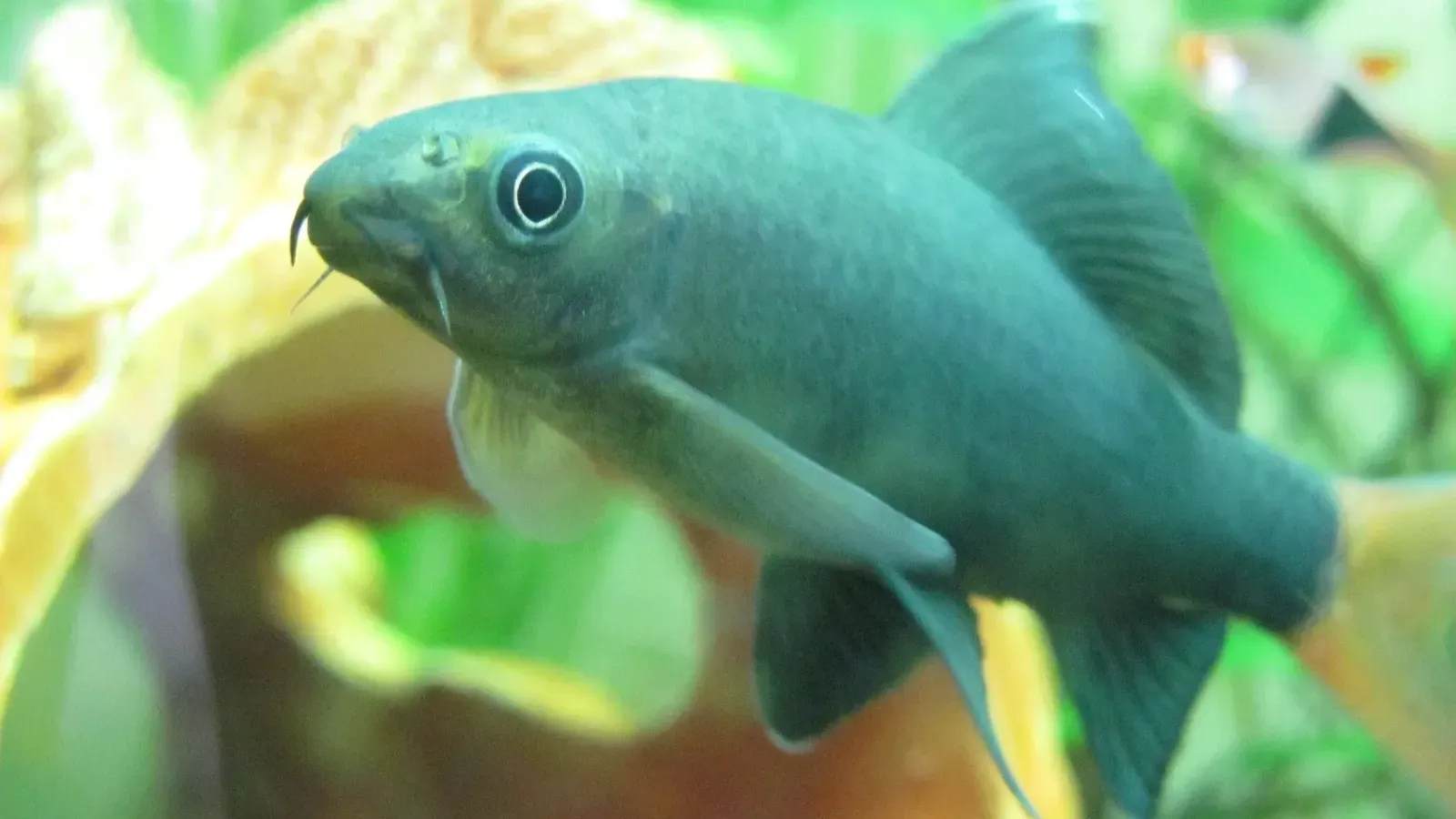
Dark gray fish with visible eye and barbels swims in a blurry aquarium with yellow
written by image

by Happy Pet TeamUpdated on 2 Dec 2025

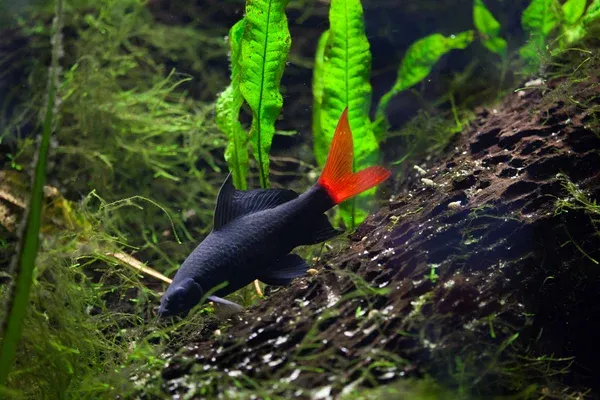
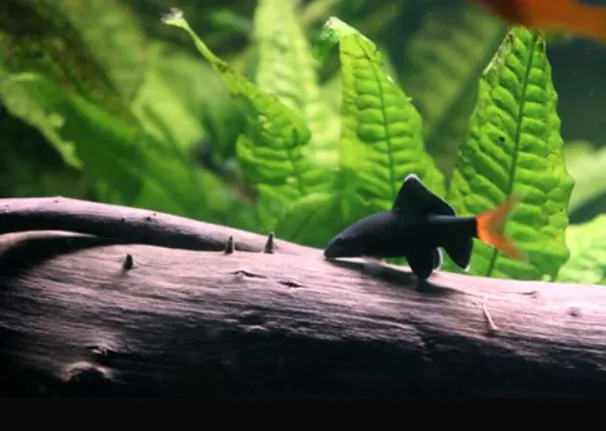
Meet the Redtail Shark (scientific name: Epalzeorhynchos bicolor) — a freshwater fish that truly stands out. Its body is deep black, and it has a bright red or orange tail fin that looks like a flame flickering in water. Aquarists love it because of its striking contrast of colors and its energetic bottom-swimming style. Despite being called a “shark”, it’s actually a type of carp (family Cyprinidae).

Redtail Shark Origin

  1. This species originates from Thailand, specifically in stream and river systems in the central and western parts of the country.
  2. It was first described in 1931 by H. M. Smith under the name Labeo bicolor.
  3. Sadly, in the wild, it has become critically endangered due to habitat loss and other pressures.

Temperament

  1. Redtail Sharks are territorial and best seen as semi-aggressive. They often claim a part of the aquarium floor and defend it.
  2. Juveniles tend to be more shy and hide; adults may chase or corner other fish if the space is too small.
  3. They swim mostly at the bottom and along the substrate, checking rocks and caves for territory.

Compatibility

Redtail Shark tankmates

  1. Fast-swimming mid- to upper-level fish that aren’t too small or timid, for example:
  2. Neon Tetra
  3. Bala Shark
  4. Honey Gourami
  5. Sparkling Gourami
  6. Congo Tetra
  7. Pearl Gourami

Fish to avoid

  1. Very small, slow, long-finned, or timid fish (e.g., fancy guppies, bettas) because the shark may bully them
  2. Keeping more than one Red-tailed Black Shark in a small tank is not recommended; they may fight each other

Redtail Shark Price in India

  1. In India, you can find Redtail Sharks for approximately ₹ 60 to ₹ 150

Characteristics

Temperament

Aggressive

Friendly

Compatibility with other fishes

Not Friendly

Super Friendly

Habitat Size

Small

Large

about image

Redtail Shark Habitat Requirements

Initial Setup Cost

₹4,000 - ₹12,000

Water Temperature

22º -26ºC

Water Type

Fresh Water

PH Level

6.5 - 7.5

Tank Type

  1. Freshwater tropical environment

Redtail Shark Aquarium Size

  1. 55 gallons (~200 liters) for one fish, especially due to its active bottom-area use
  2. If you are in India, aim for a 4-5 ft long tank or bigger to give sufficient floor area

Water Conditions

  1. Temperature range: 22–26°C (72–79 °F)
  2. pH level: 6.5–7.5
  3. Water hardness / KH: Moderate; about 10–15 dKH (or equivalent) is acceptable

Redtail Shark Environment Needs

  1. Many hiding spots: caves, driftwood, rocks, plants. Helps reduce aggression and gives the fish a “home”.
  2. Good water flow/oxygenation: They come from fast-flowing streams, so providing motion and aeration helps.
  3. Secure lid: they are known jumpers.
  4. Substrate and décor should allow them to patrol the bottom and have clear zones to roam and hide.

Essential Equipment

Aquarium tank

Water filter

Heater

Light

Substrate

Redtail Shark Nutritional Guide

Avg Monthly Expenses

₹80 - ₹ 150

Diet Type

  1. Omnivore

Redtail Shark Suitable Foods

  1. Sinking pellets or tablets designed for bottom-dwellers
  2. Live or frozen foods such as bloodworms, brine shrimp, and daphnia — these boost color and health
  3. Vegetables: blanched zucchini, peas, or algae wafers — since they also scrape algae

Feeding Frequency & Tips

  1. Feed once every day or every alternate day, rather than multiple times; avoid overfeeding
  2. Provide a varied diet: mix pellets + live/frozen + veggies to promote interest and good health
  3. Ensure food reaches their level: since they swim near the bottom, they should be getting food delivered there (sinking type)
about image

Redtail Shark Health & Care

Common Health Issues

Fin rot

White spot / ick

Anchor worm

Swim bladder disease

Bacterial infections

Ammonia poisoning

Signs of good health

Active

Bright coloration

Good apetite

Signs of sickness

Loss of appetite

Lethargic behaviour

Dull coloring

Tattered fins

Swimming abnormally

A few common issues can affect Redtail Sharks if their water or diet isn’t right, so knowing the early signs and treatments helps keep them safe and active.

Fin Rot

Fin rot is the fraying, ragging, and discoloring of fins caused by unfavorably poor water conditions or low oxygen levels. The Redtail Shark is sometimes affected by rot around fin edges as a result of poor water conditions (water chemistry or water quality), which may require water changing, adjustments of water conditions (temperature, pH, hardness, and oxygen content), and antifungal or antibacterial treatments. Fin rot can be prevented with proper cleaning and filtration of the aquarium.

Ich (White Spot Disease)

Ich is caused by the parasite Ichthyophthirius multifiliis and is visible as white spots (looks like salt) on the body or fins. Signs of ich include loss of appetite and 'flashing' behavior (rubbing against the decor). If ich is suspected, quarantine the Redtail Shark and, after the temperature rises slightly (within healthy limits), treat with an ich medication. Confirm the water has good quality since fish under stress may be vulnerable.

Redtail Shark General Health Tips

  1. Frequent small changes in water at 10-20% weekly help maintain water quality. This reduces stress.
  2. Signs of illness include changes within behavior, for example, hiding more than normal or not eating, or within their appearance, for example, color fading or clamped fins.
  3. The aquarium should have ample size to give defined territories and enough hiding spots for territoriality.
  4. Low-stress conditions for stressed sharks are essential since sharks are more susceptible to disease.
  5. Keep water parameters as constant as possible with little variation in temperature, pH, or oxygen level within.

Prerequisites for a Fish

Adequate tank space

Cleanliness

Effort & commitment

Enriching Environment

written by image

Written by

Happy Pet Team

Author

Team Happy Pet is a passionate collective of pet experts, enthusiasts, and advocates dedicated to sharing trusted and insightful content.

Our cont
 

Frequently Asked Questions

Can Redtail Sharks be kept with other fish?

Yes, Redtail Sharks can be kept with other fish, but they can be territorial, especially with bottom-dwellers or similar-looking fish. Suitable tank mates include peaceful, fast-swimming species that occupy different levels of the aquarium.

What do Redtail Sharks eat?

Redtail Sharks are omnivores and require a varied diet that includes high-quality algae wafers, sinking pellets, live or frozen foods like brine shrimp and bloodworms, and blanched vegetables such as zucchini and spinach.

What water conditions do Redtail Sharks prefer?

Redtail Sharks prefer slightly acidic to neutral water conditions with a pH range of 6.5 to 7.5. Maintaining stable water parameters and regular water changes are crucial.