
Home
/
Fish species
/
Peacock Gudgeon
Peacock Gudgeon
Origin
Australia
Habitat Size
20-50 Liters
Water Type
Fresh Water
Water Temperature
22º-26ºC
Cost in India
₹50 - ₹100
Size
1 - 2 inches (Nano)
Diet
Omnivore

by Happy Pet TeamUpdated on 1 Dec 2025
Peacock Gudgeon Fish Guide
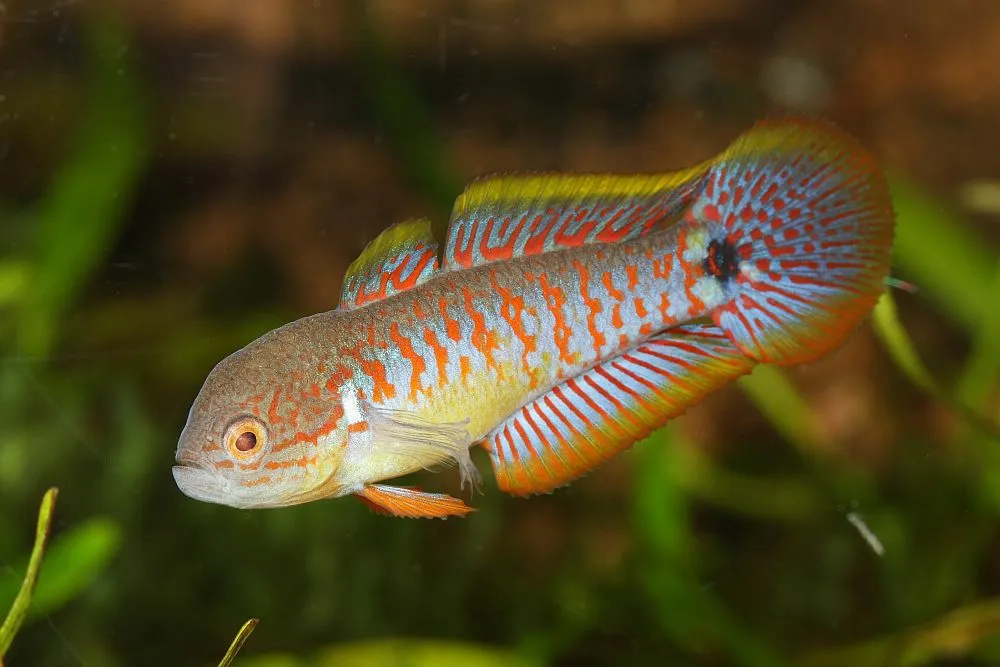
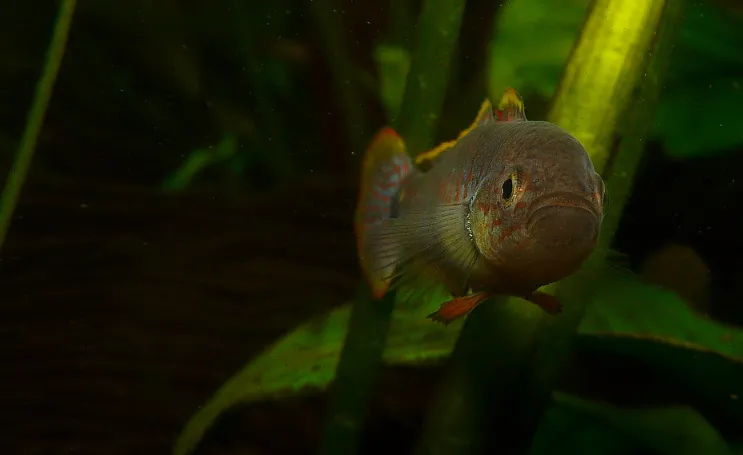
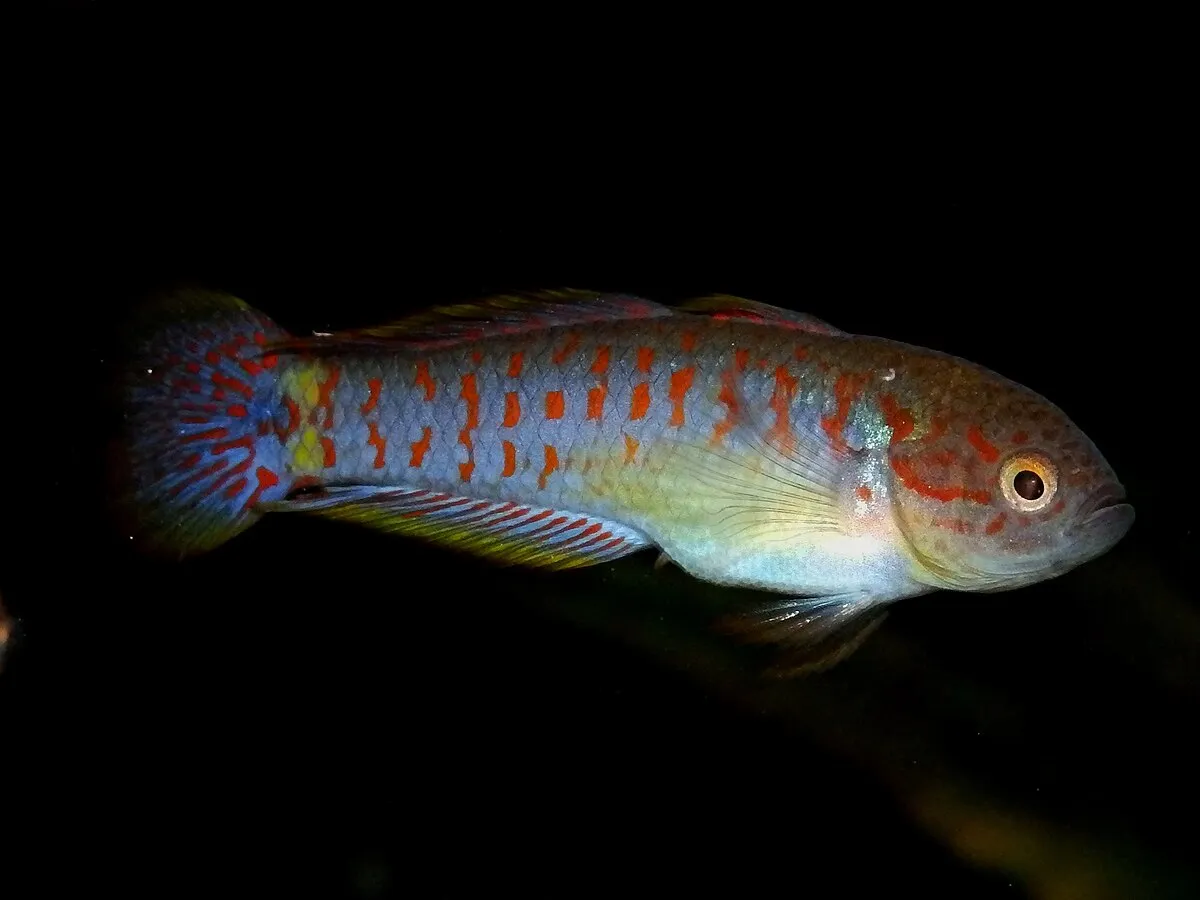
The Peacock Gudgeon (Tateurndina ocellicauda) is a small, colorful freshwater fish loved by aquarium hobbyists. It shines with bright blue, yellow, and red patterns, and a black eye-spot near its tail, making it look like a tiny jewel. These fish are peaceful, easy to care for, and fun to watch, which is why they are becoming popular in home aquariums.
Peacock Gudgeon Origin
- Peacock Gudgeons come from eastern Papua New Guinea, where they live in calm streams, rainforest pools, and slow rivers.
- Their natural environment has soft, slightly acidic water with lots of plants and hiding spots.
Temperament
- Peacock Gudgeons are peaceful and gentle. They usually get along well with other calm fish.
- Males sometimes show off to each other by flaring their fins, but it rarely turns into serious fighting.
- They feel happiest when kept in small groups instead of being alone.
Peacock Gudgeon Compatibility
These fish are great tankmates for other small, non-aggressive species, such as:
- Cory Catfish
- Ember Tetra (or other Tetras)
- Kuhli Loach
- Bumblebee Goby
- Celestial Pearl Danios
However, they should not be housed with large, aggressive, or fin-nipping fish that may bully them or cause stress.
Peacock Gudgeon Price Range
- For a tank-bred specimen (smaller size): ₹600-₹800 (depends on stock and location)
- Imported, larger, rare color morphs: ₹1,000-₹1,200 or more
Characteristics
Temperament
Aggressive
Friendly
Compatibility with other fishes
Not Friendly
Super Friendly
Habitat Size
Small
Large


Peacock Gudgeon Habitat Requirements
Initial Setup Cost
₹3,000 - ₹6,000
Water Temperature
22º -26ºC
Water Type
Fresh Water
PH Level
6.5 - 7.5
Peacock Gudgeon Tank Type
- Freshwater (not saltwater or brackish)
- Prefer slow, gentle water flow
Aquarium Size
- Minimum of 10 gallons (≈40 liters) for a pair or small group
- Better: 15 gallons (≈56 liters) or more for community tanks
Peacock Gudgeon Water Conditions
Environment Needs
Essential Equipment
Aquarium tank
Water filter
Heater
Light
Substrate
Peacock Gudgeon Nutritional Guide
Avg Monthly Expenses
₹50 - ₹ 100
Diet Type

- Peacock Gudgeons are carnivores that mainly eat protein-rich foods.
Peacock Gudgeon Suitable Foods
- Live or frozen foods:
- Bloodworms
- Brine shrimp
- Daphnia
- Mosquito larvae
- High-quality flakes or micro-pellets, if they accept them
- A mix of food types keeps them healthy and colorful
Peacock Gudgeon Feeding Frequency & Tips
- Feed once or twice daily
- Only give food they can finish in a few minutes
- Remove uneaten food to keep the water clean

Peacock Gudgeon Health & Care
Common Health Issues
Fin rot
White spot / ick
Swim bladder disease
Fungus
Bacterial infections
Parasitic infections
Signs of good health
Active
Bright coloration
Good apetite
Undamaged fins
Signs of sickness
Loss of appetite
Lethargic behaviour
Tattered fins
White growths
Dull coloring
Like all aquarium fish, Peacock Gudgeons can have certain health issues in the event their diet or environment is not right. Here are some of the most common issues:
- Ich (White Spot Disease): Ich is a common parasite that shows up as small white dots on the fish’s body and fins. Fish that have Ich may tend to look quite restless. These fish might scratch decorations or plants, too. Treatment includes raising the tank temperature slowly, improving water cleanliness, and adding Ich medication until the fish recovers.
- Hole-in-Head Disease: Tiny pits or holes appear around the fish’s head due to Hole-in-Head Disease. Usual causes include dirty water and a poor diet. In that case, tank conditions should improve, high-quality food is then offered, and then proper medication is indeed used if the disease is quite advanced.
- Flukes (Gill or Skin Worms): Small parasites are flukes that stick to the gills or skin. Fish that happen to be infected may breathe in a heavy manner or rub at their bodies, also then developing sores. Anti-parasitic treatments are effective for flukes. Tank cleanliness also prevents further spread.
- Internal Parasites: These fish sometimes may suffer with worms in their bodies. Reduced appetite, stringy feces, with weight loss are signs. A good resolution involves deworming medicine made to treat aquarium fish. A nutritious, varied diet is good too.
Peacock Gudgeon General Health Tips
- Keep the water clean with weekly partial changes
- Maintain steady water temperature and pH
- Quarantine new fish before adding them to the tank
- Feed a protein-rich, varied diet
- Avoid overcrowding and aggressive fish
- Watch your fish daily for early signs of sickness
Prerequisites for a Fish
Adequate tank space
Cleanliness
Effort & commitment
Enriching Environment

Written by
Happy Pet TeamAuthor
Team Happy Pet is a passionate collective of pet experts, enthusiasts, and advocates dedicated to sharing trusted and insightful content.
Our cont
Frequently Asked Questions
Are Peacock Gudgeons suitable for beginners?
Yes, Peacock Gudgeons are generally considered suitable for beginners due to their peaceful nature and relatively easy care requirements. They are a good choice for hobbyists new to keeping aquarium fish.
Can Peacock Gudgeons live with other fish?
Yes, Peacock Gudgeons are peaceful fish that can live harmoniously with other small, non-aggressive species. Good tankmates include other small community fish like tetras, rasboras, and small catfish species.
What are common health issues for Peacock Gudgeons?
Common health issues include fin rot, white spot/ich, fungal infections, and bacterial infections. Maintaining good water quality and providing a balanced diet can help prevent these issues.