
Home
/
Fish species
/
Otocinclus Catfish
Otocinclus Catfish
Origin
South America
Habitat Size
20-50 Liters
Water Type
Fresh Water
Water Temperature
22º-28ºC
Cost in India
₹50 - ₹100
Size
1 - 2 inches (Nano)
Diet
Herbivore

by Happy Pet TeamUpdated on 2 Dec 2025
Introduction of the Otocinclus Catfish
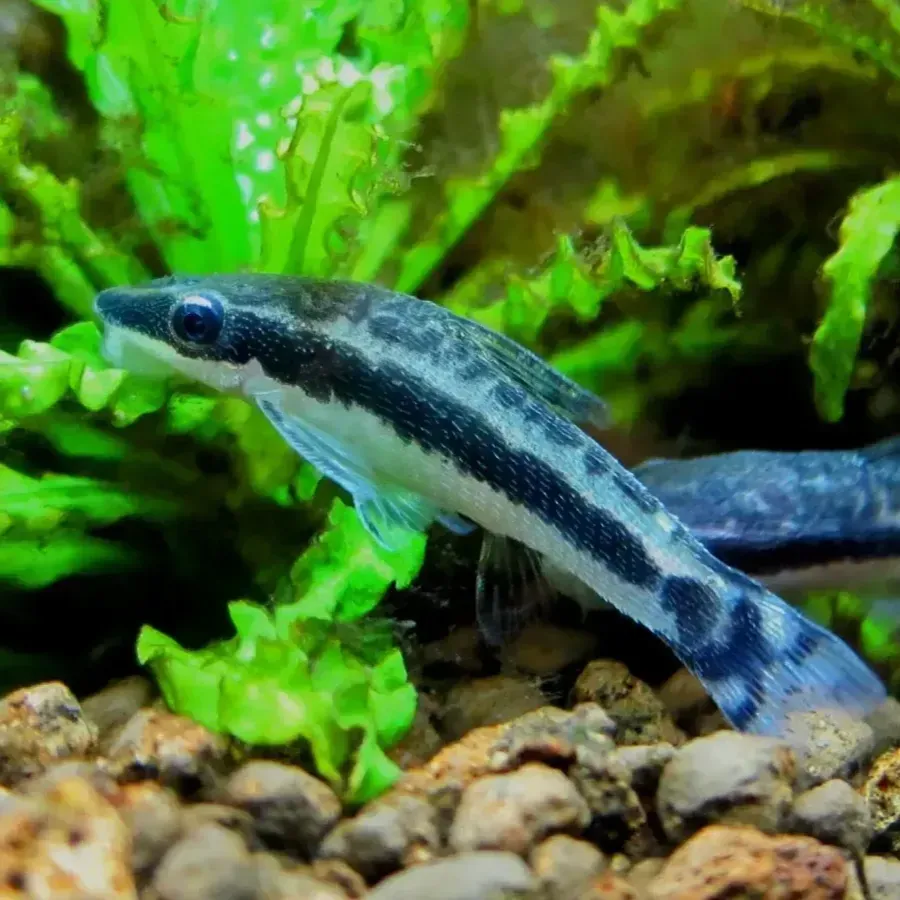
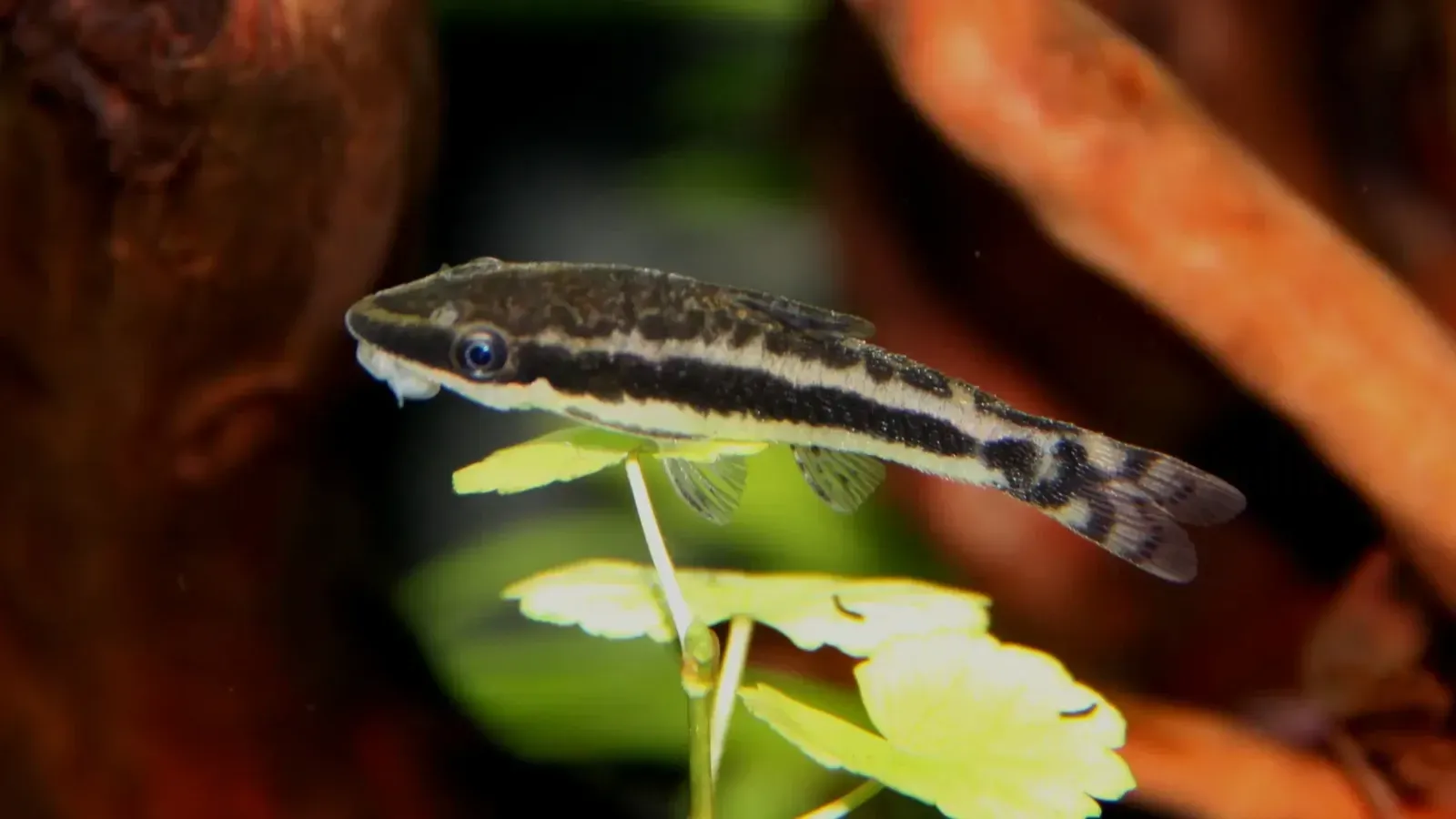
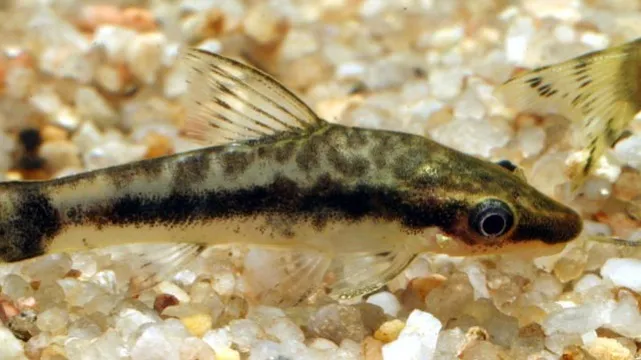
The Otocinclus Catfish (Otocinclus spp.) also known as the "Otos" is a small, gentle freshwater fish much prized for its ability to consume algae and is an excellent community fish. With its sleek body, brown-grey color, and light-colored horizontal stripes, the Otocinclus would completely blend in perfectly well in well-planted aquariums.
Males are slightly smaller and more elongated than females, which become rounded when egg-full. Despite their dainty appearance, Otocinclus Catfish are very hardy if kept under ideal conditions, and hence they are the first preference of aquarists for their aquariums if they want a peaceful, natural algae consumer.
Origin of the Otocinclus Catfish
Otocinclus Catfish live in South American streams and rivers, such as Brazil, Colombia, and Venezuela. They inhabit slowly flowing water with densely vegetated conditions, with pristine, well-aerated conditions. They naturally inhabit dense vegetation and algae-covered surfaces and are thus effective grazers. Captive-bred Otos are readily available today, relieving pressure on wild stocks.
Temperament of the Otocinclus Catfish
Otocinclus Catfish are peaceful and very social. They are active grazing schooling fish that prefer to eat algae and biofilm predominantly, typically in schools. As peaceful as they tend to be most of the time, they are not very competitive with food, but they do not feed on other fish. Because of their very small body size and high activity, they are a favorite among nano tanks and planted aquariums.
Otocinclus Catfish Compatibility with Other Fish
Otocinclus Catfish are peaceful and can be kept with most other small, peaceful fish. Good tankmates are:
- Tetras, rasboras, danios, and guppies
- Corydoras and tiny loaches
- Peaceful livebearers
- Shrimp and snails
Avoid keeping them with fin nipping or large aggressive fish such as cichlids, bettas, or barbs who will see them as food. Keep them in groups of six or more so they are secure and behave normally.
Price Range of the Otocinclus Catfish
Otocinclus Catfish are cheap and are available in bulk. The price ranges from ₹100 to ₹300 (US $1.50–4) per fish. Since they are small and are meant to be kept in a group, the price is more dependent upon the group size of the fish purchased.
Characteristics
Temperament
Aggressive
Friendly
Compatibility with other fishes
Not Friendly
Super Friendly
Habitat Size
Small
Large


Habitat Requirements of the Otocinclus Catfish
Initial Setup Cost
₹3,000 - ₹6,000
Water Temperature
22º -28ºC
Water Type
Fresh Water
PH Level
6 - 7
Tank Setup
- Minimum tank size: 10 gallons for a small group
- Recommended: 20 gallons or more for community planted tanks
- Features: mild filtration, densely planted areas, and open swimming area
Water Conditions
- Temperature: 22–26°C (72–79°F)
- pH level: 6.5–7.5
- Hardness: 2–12 dH
Environment Needs
- Substrate: sand or fine gravel
- Plants: Java moss, Anubias, and floating plants for grazing and shelter
- Decorations: rocks, driftwood, and smooth surfaces covered with algae
- Lighting: moderate; sufficient to support the growth of algae naturally
Essential Equipment
Aquarium tank
Water filter
Heater
Light
Substrate
Nutritional Guide of the Otocinclus Catfish
Avg Monthly Expenses
₹50 - ₹ 100
Although Otocinclus Catfish primarily eat algae, they also need some supplementations. They eat the following foods:

- Staple: algae wafers or sinking pellets
- Protein: blanched vegetables like zucchini, cucumber, or spinach
- Natural grazing: biofilm and microalgae
Feeding tips
- Feed 1–2 times a day, giving little at a time
- Ensure algae wafers or vegetables are appropriate size for their small mouths
- Do not overfeed to keep good water quality

Health & Care of the Otocinclus Catfish
Common Health Issues
Fin rot
White spot / ick
Velvet
Columnaris (cotton wool-like growth on the skin)
Ammonia poisoning
Parasitic infections
Signs of good health
Active
Bright coloration
Good apetite
Signs of sickness
Loss of appetite
Lethargic behaviour
Frequent hiding
Dull coloring
Swimming abnormally
Common Issues
Ich (White Spot Disease)
A common parasite that appears as tiny white spots.
- Symptom: White patches, loss of appetite.
- Cure: Treat with anti-parasitic medication and maintain water stability.
Fin Rot
A bacterial issue caused by poor water conditions.
- Symptom: Torn or clamped fins.
- Cure: Improve water quality and use antibacterial treatment.
Stress from Poor Conditions or Overstocking
Stress lowers immunity and makes them prone to disease.
- Symptom: Faded color, hiding, inactivity.
- Cure: Provide clean, stable water and avoid overcrowding.
Prerequisites for a Fish
Adequate tank space
Cleanliness
Effort & commitment
Enriching Environment

Written by
Happy Pet TeamAuthor
Team Happy Pet is a passionate collective of pet experts, enthusiasts, and advocates dedicated to sharing trusted and insightful content.
Our cont
Frequently Asked Questions
How many Otocinclus Catfish should I keep together?
It is recommended to keep them in groups of at least six to ensure they feel secure and exhibit natural behaviors.
What do Otocinclus Catfish eat?
They are herbivores and primarily feed on algae, supplemented with algae wafers and blanched vegetables.
What to do if Otocinclus Catfish shows signs of illness?
Isolate the affected fish if possible, test water parameters, and treat with appropriate medication. Ensure regular water changes and maintain stable water conditions.