Home

/

Fish species

/

Nannacara Anomala

Nannacara Anomala

Origin

South America

Habitat Size

50-150 Liters

Water Type

Fresh Water

Water Temperature

22º-28ºC

Cost in India

₹80 - ₹150

Size

2.5 - 3 inches (Small)

Diet

Carnivore
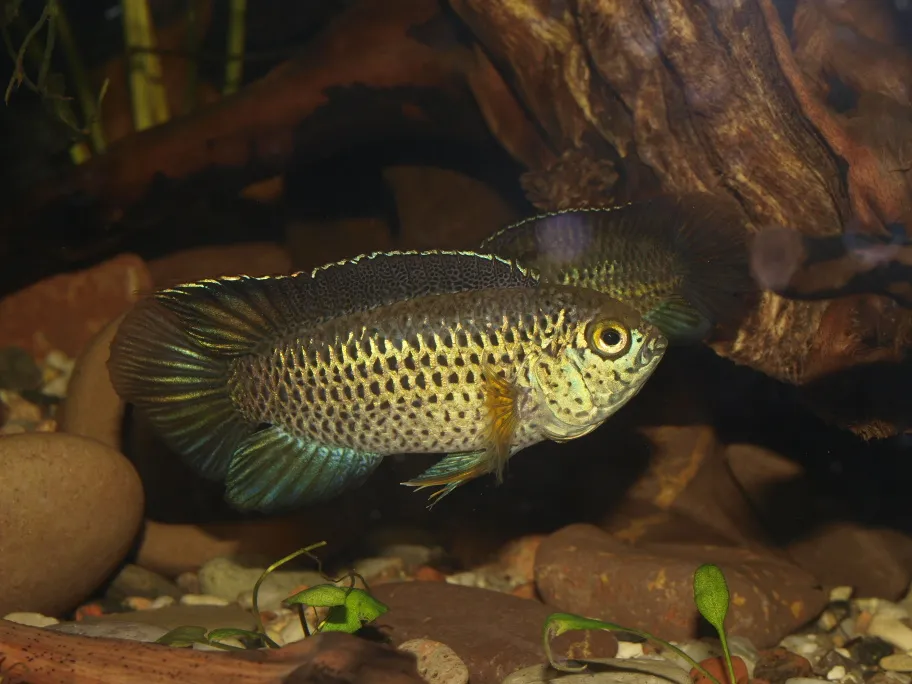
Nannacara Anomala fish displaying golden scales in aquarium
written by image

by Happy Pet TeamUpdated on 2 Dec 2025

Nannacara anomala, also called the Goldeneye Cichlid, is a small and colorful freshwater fish that is loved by aquarium keepers around the world. It gets its name from the bright golden shine around its eyes, which looks like a little glowing ring. This fish is unique because even though it’s a cichlid, it’s much calmer than many others in its family.

Origin

  1. This fish comes from the slow-moving rivers and streams of northern South America
  2. It is naturally found in countries like Suriname, Guyana, and nearby areas
  3. In the wild, they live in shallow waters with soft sand and plenty of plants
  4. Their calm and quiet homes in nature help them feel safe, which is why aquariums with hiding spots suit them well, too

Nannacara anomala Temperament

  1. Peaceful and shy by nature
  2. They prefer calm surroundings and get along well with gentle fish
  3. Males can become a little more protective during breeding, but they are not overly aggressive
  4. They like to swim near the bottom and middle of the tank

Compatibility

  1. It lives best near a peaceful community of fish like tetras, rasboras, or corydoras.
  2. Large or aggressive fish should not be housed near them. These fish may harass, stress, or attack.
  3. With sufficient hiding places, they can also be kept with shrimp or snails.
  4. More success has also been found in keeping them in pairs or small groups.

Nannacara anomala Price Range

  1. In India, the price of Goldeneye Cichlid usually ranges from ₹150 to ₹300 per fish, depending on size and quality
  2. Rare color forms or well-bred pairs can cost more in specialty stores

Characteristics

Temperament

Aggressive

Friendly

Compatibility with other fishes

Not Friendly

Super Friendly

Habitat Size

Small

Large

about image

Nannacara anomala Habitat Requirements

Initial Setup Cost

₹4,000 - ₹12,000

Water Temperature

22º -28ºC

Water Type

Fresh Water

PH Level

6 - 7.5

Tank Type

  1. Freshwater tank

Nannacara anomala Aquarium Size

  1. Minimum 140 liters for a pair
  2. A larger tank is better for groups to give each fish enough space

Water Conditions

  1. Temperature: 22 – 25 °C
  2. pH level: 6.0 – 7.5
  3. Water hardness: 8 degrees, Soft to moderately hard

Nannacara anomala Environment Needs

  1. Use fine sand or smooth gravel at the bottom
  2. Add plenty of plants, driftwood, bogwood and rocks to give them hiding places
  3. They like a calm flow of water
  4. Soft lighting helps them feel safe and shows their colors better

Essential Equipment

Aquarium tank

Water filter

Heater

Light

Substrate

Nannacara anomala Nutritional Guide

Avg Monthly Expenses

₹80 - ₹ 150

Nannacara anomala Diet Type

  1. Omnivore

Suitable Foods

  1. High-quality flakes and pellets
  2. Frozen or live foods like:
  3. Bloodworms
  4. Daphnia
  5. Brine shrimp
  6. Blanched vegetables, such as peas or spinach, for variety

Nannacara anomala Feeding Frequency & Tips

  1. Feed twice a day in small amounts
  2. Give only what they can eat in 2–3 minutes to keep the water clean
  3. Mixing different food types keeps them healthy and colorful
  4. A varied diet also helps support strong breeding and growth
about image

Nannacara anomala Health & Care

Common Health Issues

Fin rot

White spot / ick

Velvet disease (yellowish-brown spots on the skin)

Columnaris (cotton wool-like growth on the skin)

Bacterial infections

Parasitic infections

Signs of good health

Active

Bright coloration

Good apetite

Signs of sickness

Loss of appetite

Lethargic behaviour

White growths

Dull coloring

Swim bladder issues

Despite its hardiness, the fish can get sick in dirty water or when feeling stressed. Here are some common Nannacara anomala health issues you should know:

Ichthyophthirius multifiliis

This disease shows up as tiny white dots on the fish’s body and fins. It can make the fish scratch against surfaces. It happens mostly when the water temperature suddenly changes or if new fish bring it in. You can treat it by slowly raising the water temperature and using safe aquarium medicine made for Ich. Keeping the tank clean also helps prevent it.

Fin rot

This disease makes the fins look frayed, torn, or fuzzy. It usually starts because of poor water quality or stress. Affected fish may move less and look weak. Changing the water, improving cleanliness, and giving antibacterial treatment can help. Feeding healthy food also helps the fins grow back.

Hole-in-the-head disease

It causes small pits to form in the head of the fish due to disturbed water, poor diet, and stress. It can be cured if seen early by using clean water, quality food, and medicated products available in fish stores. The best prevention is healthy water conditions and a balanced, quality diet.

Nannacara anomala General Health Tips

  1. Change 20–30% of the water every week
  2. Keep the tank clean and remove any uneaten food
  3. Do not overcrowd the tank
  4. Quarantine new fish before adding them to the main tank
  5. Watch your fish daily to spot early signs of sickness

Prerequisites for a Fish

Adequate tank space

Cleanliness

Effort & commitment

Enriching Environment

written by image

Written by

Happy Pet Team

Author

Team Happy Pet is a passionate collective of pet experts, enthusiasts, and advocates dedicated to sharing trusted and insightful content.

Our cont
 

Frequently Asked Questions

What should we feed Nannacara Anomala?

They thrive on a varied diet of high-quality flake or pellet food, supplemented with live or frozen foods like brine shrimp, daphnia, and bloodworms. Occasionally, spirulina-based foods or blanched spinach can be added for extra nutrition.

Are Nannacara Anomala compatible with other fish?

They are generally peaceful but can become territorial, especially during breeding. They do well with other non-aggressive fish that share similar water requirements.

What kind of habitat setup is best for Nannacara Anomala?

A well-planted aquarium with plenty of hiding spots, such as driftwood and rocks, mimics their natural habitat and helps reduce stress.