
Home
/
Fish species
/
Mediterranean glass shrimp
Mediterranean glass shrimp
Origin
Mediterranean Sea
Habitat Size
50-150 Liters
Water Type
Brackish
Water Temperature
18º-24ºC
Cost in India
₹80 - ₹150
Size
2 - 3 inches (Small)
Diet
Omnivore

by Happy Pet TeamUpdated on 11 Nov 2025
Mediterranean Glass Shrimp (Palaemon elegans) Detailed Introduction
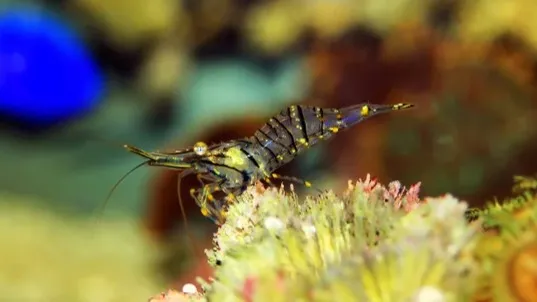
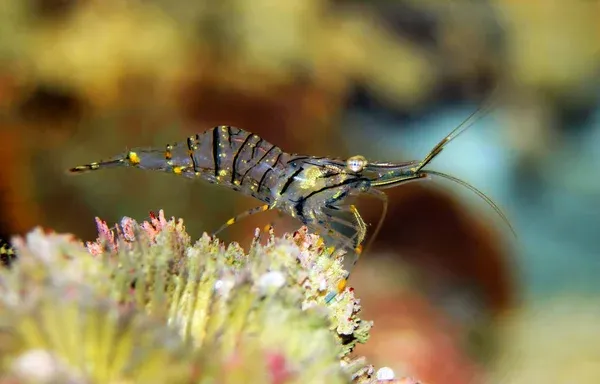
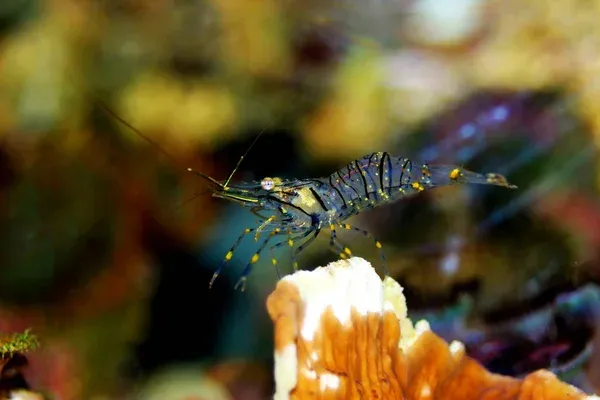
The Mediterranean Glass Shrimp is a transparent to slightly semi-transparent shrimp native to the Black Sea, Mediterranean Sea, and the Baltic Sea. It is often known as Rockpool shrimp or Rockpool prawn. The glass shrimp is known for its scavenging habits and interesting behavioural traits.
Characteristics
Temperament
Aggressive
Friendly
Compatibility with other fishes
Not Friendly
Super Friendly
Habitat Size
Small
Large


Habitat Requirements for Mediterranean Glass Shrimp
Initial Setup Cost
₹4,000 - ₹12,000
Water Temperature
18º -24ºC
Water Type
Brackish
PH Level
7 - 8
The living conditions of the glass shrimp affect their life expectancy. Hence, it is important that they live in the right environment to survive the longest.
Essential Equipment
Aquarium tank
Water filter
Heater
Light
Substrate
Decor
Nutrition Guide to Mediterranean Glass Shrimp
Avg Monthly Expenses
₹80 - ₹ 150
The Mediterranean Glass Shrimp is an omnivore with a diet that includes algae, detritus, and a variety of small live or frozen foods. Providing a balanced diet is essential for its health and well-being. Offer high-quality shrimp pellets, algae wafers, and occasional live foods such as baby brine shrimp or daphnia. This variety ensures the shrimp receives all the necessary nutrients for growth and vibrant coloration.


Health
Common Health Issues
Ammonia poisoning
Fungal infections
Bacterial infections
White spot / ick
Parasitic infections
Velvet disease (yellowish-brown spots on the skin)
Signs of good health
Active
Bright coloration
Good apetite
Signs of sickness
Loss of appetite
Frequent hiding
Dull coloring
White film
Reduced activity
Issues often stem from unstable water (salinity fluctuations, temperature swings), improper molting (due to poor hardness / calcium), overcrowding, or poor diet. Watch for failed molts, lethargy, abnormal coloration, loss of appetite.
Prerequisites for a Fish
Adequate tank space
Cleanliness
Effort & commitment
Enriching Environment
Written by
Happy Pet TeamAuthor
Team Happy Pet is a passionate collective of pet experts, enthusiasts, and advocates dedicated to sharing trusted and insightful content.
Our cont
Frequently Asked Questions
How often to perform water changes?
Perform water changes of 10-20% of the tank volume weekly or bi-weekly. This helps maintain water quality and ensures a healthy environment for the shrimp
Can Mediterranean Glass Shrimp be kept with other fish or invertebrates?
Yes, Mediterranean Glass Shrimp can be kept with other small, non-aggressive species in a brackish water setup. Ensure the tank mates are compatible to avoid conflicts.
Are Mediterranean Glass Shrimp difficult to care for?
They require intermediate care. Proper maintenance of water conditions and a balanced diet are essential for their well-being, making them suitable for hobbyists with some experience in shrimp keeping.