
Home
/
Fish species
/
Long Fin Red Banded Goby
Long Fin Red Banded Goby
Origin
Australia
Indo-Pacific
Habitat Size
50-150 Liters
Water Type
Salt Water
Water Temperature
24º-28ºC
Cost in India
₹80 - ₹150
Size
2 - 3 inches (Small)
Diet
Omnivore

by Happy Pet TeamUpdated on 11 Nov 2025
Long Fin Red Banded Goby Fish Introduction
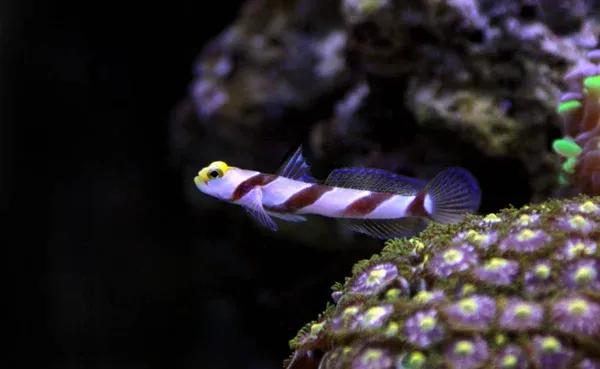
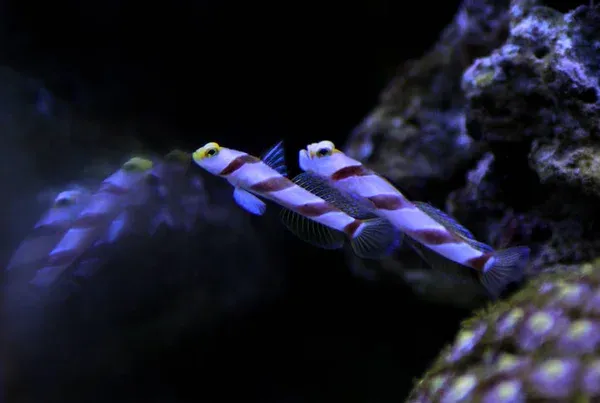
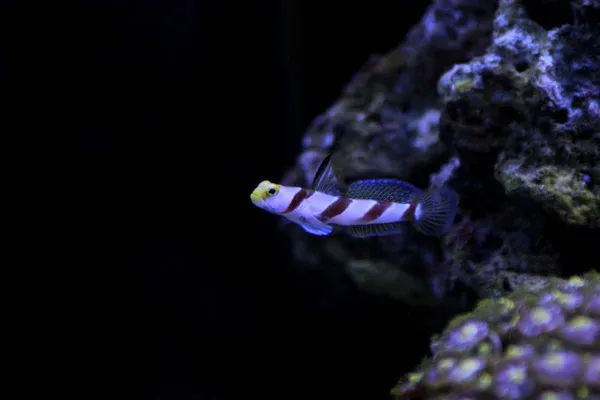
The Long Fin Red Banded Goby Fish is also known as the Hi-Fin red banded goby. Its scientific name is Stonogobiops nematodes. The goby has a white body with red bands, a yellow face, and a tall fin. It is a small marine fish popular in reef tanks. It is known for pairing with the pistol shrimp and is adored by aquarists for the striking look, calm nature, and fun behaviour.
Characteristics
Temperament
Aggressive
Friendly
Compatibility with other fishes
Not Friendly
Super Friendly
Habitat Size
Small
Large


Habitat Requirement for Hi-Fin Red Goby
Initial Setup Cost
₹4,000 - ₹12,000
Water Temperature
24º -28ºC
Water Type
Salt Water
PH Level
8.1 - 8.4
Meeting the required habitat recommendations ensures that the goby lives happily and has a long life.
Essential Equipment
Aquarium tank
Water filter
Heater
Light
Substrate
Decor
Feeding Guide for Long Fin Red Banded Goby
Avg Monthly Expenses
₹80 - ₹ 150
Gobies are bottom dwellers and carnivores in nature. Their feeding must reflect their natural preferences.


Health
Common Health Issues
White spot / ick
Fungal infections
Parasites
Ammonia poisoning
Bacterial infections
Parasitic infections
Signs of good health
Active
Bright coloration
Good apetite
Signs of sickness
Loss of appetite
Lethargic behaviour
Dull coloring
White growths
Frequent hiding
Focus on the parameters below to keep your goby healthy and thriving.
Prerequisites for a Fish
Adequate tank space
Cleanliness
Effort & commitment
Enriching Environment
Written by
Happy Pet TeamAuthor
Team Happy Pet is a passionate collective of pet experts, enthusiasts, and advocates dedicated to sharing trusted and insightful content.
Our cont
Frequently Asked Questions
How large a tank does this goby truly need?
A minimum of ~30 gallons (115 L) is recommended to house even a single goby comfortably.
Can it be kept in a reef aquarium?
Yes, this goby is reef-safe as long as tankmates are peaceful and water conditions are stable.
Will the goby eat live rock inhabitants or corals?
No. Its diet is focused on small crustaceans and prepared meaty foods. It is not known to bother corals or sessile invertebrates.
Is it easy to find captive-bred specimens?
Yes, there are captive-bred Hi-Fin red banded gobies for sale in the aquarium trade. They tend to adapt more readily to feeding and tank conditions.
Will they pair with pistol shrimp immediately?
They may take some time to adjust. The pairing often occurs when both partners are present and provided with suitable substrate and hiding spots. It may not happen instantaneously.