Home

/

Fish species

/

Lemon Tetra

Lemon Tetra

Origin

🇧🇷

Brazil

Habitat Size

30-50 Liters

Water Type

Fresh Water

Water Temperature

22º-28ºC

Cost in India

₹50 - ₹100

Size

1.5 - 2 inches (Nano)

Diet

Omnivore
Lemon Tetra
written by image

by Happy Pet TeamUpdated on 2 Dec 2025

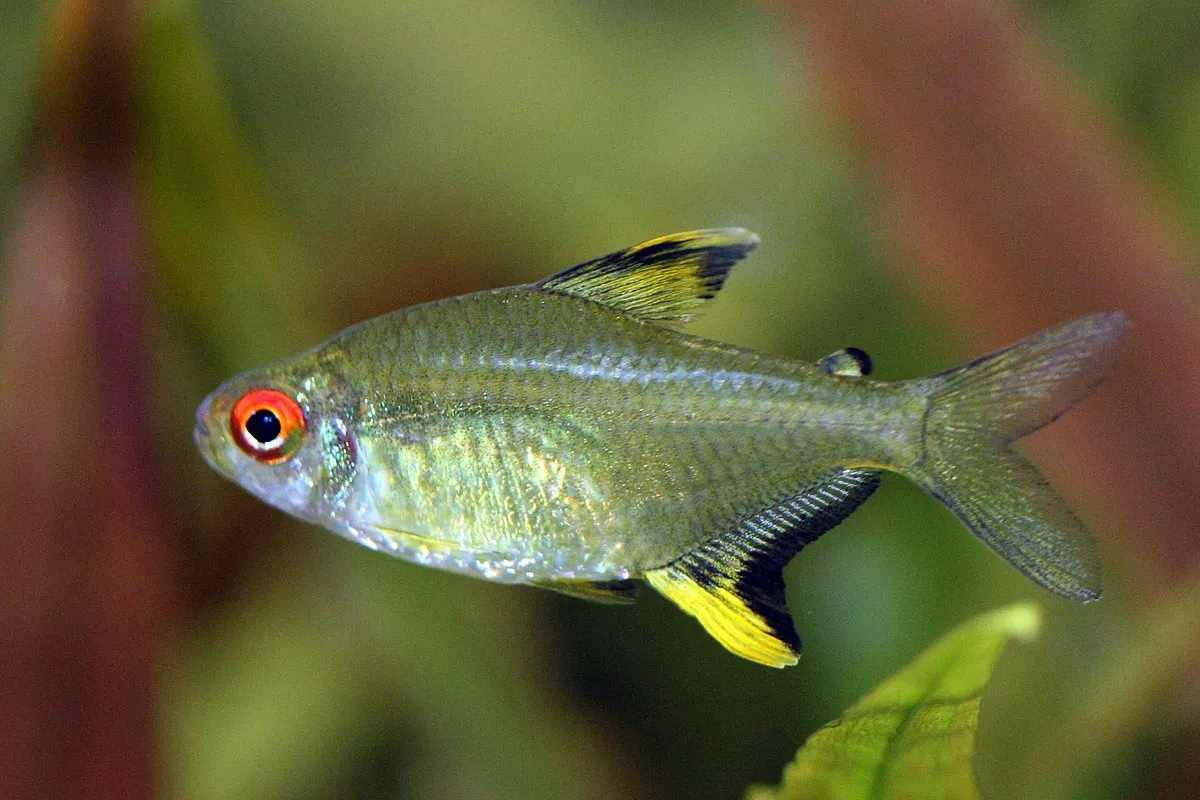
The Lemon Tetra (Hyphessobrycon pulchripinnis) is a small tropical freshwater fish with a cheerful lemon-yellow body and a bright red upper half of its eye. It’s popular in aquariums because it shows up well in a planted tank and lives in friendly groups.

What makes it special is its schooling behavior (it likes to live with friends) and its vibrant coloration in the right setup.

Origin

  1. The Lemon Tetra comes from South America — especially the Rio Tapajós region, which joins up with the Amazon River near Santarém, Brazil
  2. It has been kept in aquariums since the early to mid-1900s, so many are bred in captivity now

Lemon Tetra Temperament

  1. The Lemon Tetra is peaceful and likes to swim around with others of its kind rather than fight
  2. Because it’s a schooling fish, it feels happier when it has a group of its own kind rather than being alone

Compatibility

  1. Suitable tankmates include other small, gentle fish like other tetras, rasboras, and peaceful bottom dwellers.
  2. Avoid mixing them with big, aggressive fish that may bully or eat them.

Lemon Tetra Price in India

  1. In India, you might find Lemon Tetras in the range of ₹150 to ₹400 per fish, depending on size, color, and availability in your city.

Characteristics

Temperament

Aggressive

Friendly

Compatibility with other fishes

Not Friendly

Super Friendly

Habitat Size

Small

Large

about image

Lemon Tetra Habitat Requirements

Initial Setup Cost

₹3,000 - ₹6,000

Water Temperature

22º -28ºC

Water Type

Fresh Water

PH Level

6 - 7.5

Lemon Tetra Tank Type

  1. Freshwater tropical aquarium fish

Aquarium Size

  1. A minimum of about 60 cm (24 in) wide frontage is recommended for a small school
  2. Many sources recommend about 20 gallons (≈75 liters) or more for a small group

Lemon Tetra Water Conditions

  1. Temperature range: 23 °C to 28 °C (72 °F to 82 °F) is suitable
  2. pH level: slightly acidic to neutral, about 5.5 to 7.5
  3. Water hardness: soft to medium hardness is preferred (for example, dH around 2-10 or up to ~12)

Environment Needs

  1. A planted aquarium with plenty of vegetation, dark substrate (to bring out their color), and open swimming space is ideal.
  2. Floating plants help create shade and mimic their natural habitat, so they feel safe.
  3. Good filtration and regular water changes matter because they need clean, well-oxygenated water.

Essential Equipment

Aquarium tank

Water filter

Heater

Light

Substrate

Lemon Tetra Nutritional Guide

Avg Monthly Expenses

₹50 - ₹ 100

Diet Type

  1. The Lemon Tetra is an omnivore — it eats both plant-based and small animal-based foods

Lemon Tetra Suitable Foods

  1. Main diet: good quality flake or pellet food made for small tropical fish
  2. Treats: small frozen or live foods like brine shrimp, daphnia, bloodworms
  3. Occasionally, vegetables such as tiny bits of zucchini can be accepted for variety

Feeding Frequency & Tips

  1. Feed a small amount 1-2 times per day rather than one big meal. This helps keep water clean and prevents overfeeding.
  2. Use the “3-minute rule”: offer enough food that they can eat in about 3 minutes, then stop. Helps avoid leftover food polluting the tank.
about image

Lemon Tetra Health & Care

Common Health Issues

Fin rot

White spot / ick

Columnaris (cotton wool-like growth on the skin)

Ammonia poisoning

Parasitic infections

Fungal infections

Signs of good health

Active

Bright coloration

Good apetite

Signs of sickness

Loss of appetite

Frequent hiding

Dull coloring

Tattered fins

Lethargic behaviour

Like all other aquarium fish, Lemon Tetra may develop health problems if their environment is substandard or if their diet is deficient.

Ich (Ichthyophthirius multifiliis)

Ich, recognizable by tiny white dots on the skin or fins of your Lemon Tetra, may occur due to poor water quality or stress. Ich is treated with improving water quality through regular water changes and efficient filtration, increasing temperature slightly (if your Lemon Tetra are tolerant of warmer temperatures), and, if necessary, using an ich treatment. New fish should initially be quarantined.

Fungal Infection

Fungal infections can appear as white, cottony patches on skin or fins. They are more likely to occur during the event that fish are exposed to incorrect water parameters or have weakened immune systems. If possible, separate sick fish, make the water better, look for injuries, and use antifungal aquarium medications per label directions.

Lemon Tetra General Health Tips

  1. Clean water is important. Partial water changes of 20-30% each week keep nitrate levels low.
  2. Always keep Lemon Tetras within groups. They become stressed if kept individually; their immune response diminishes.
  3. A planted tank among many plants and hiding spots should make a place for them to feel secure.
  4. Quarantine new fish to prevent disease before adding the fish to the tank.

Prerequisites for a Fish

Adequate tank space

Cleanliness

Effort & commitment

Enriching Environment

written by image

Written by

Happy Pet Team

Author

Team Happy Pet is a passionate collective of pet experts, enthusiasts, and advocates dedicated to sharing trusted and insightful content.

Our cont
 

Frequently Asked Questions

What do Lemon Tetras eat?

Lemon Tetras are omnivores and should be fed a varied diet including high-quality flake foods, live or frozen brine shrimp, daphnia, and some vegetable matter.

What equipment do I need for a Lemon Tetra tank?

Essential equipment includes a heater, filter, air pump, water test kit, aquarium light, substrate, and decorations like plants and rocks.

What should I do if my Lemon Tetra shows signs of illness?

Quarantine the affected fish, perform water tests, and treat with appropriate medications. Maintain optimal water conditions.