
Home
/
Fish species
/
Harlequin Rasbora
Harlequin Rasbora
Origin
South East Asia
Habitat Size
20-50 Liters
Water Type
Fresh Water
Water Temperature
22º-26ºC
Cost in India
₹50 - ₹100
Size
1 - 2 inches (Nano)
Diet
Omnivore

by Happy Pet TeamUpdated on 2 Dec 2025
Introduction of the Harlequin Rasbora
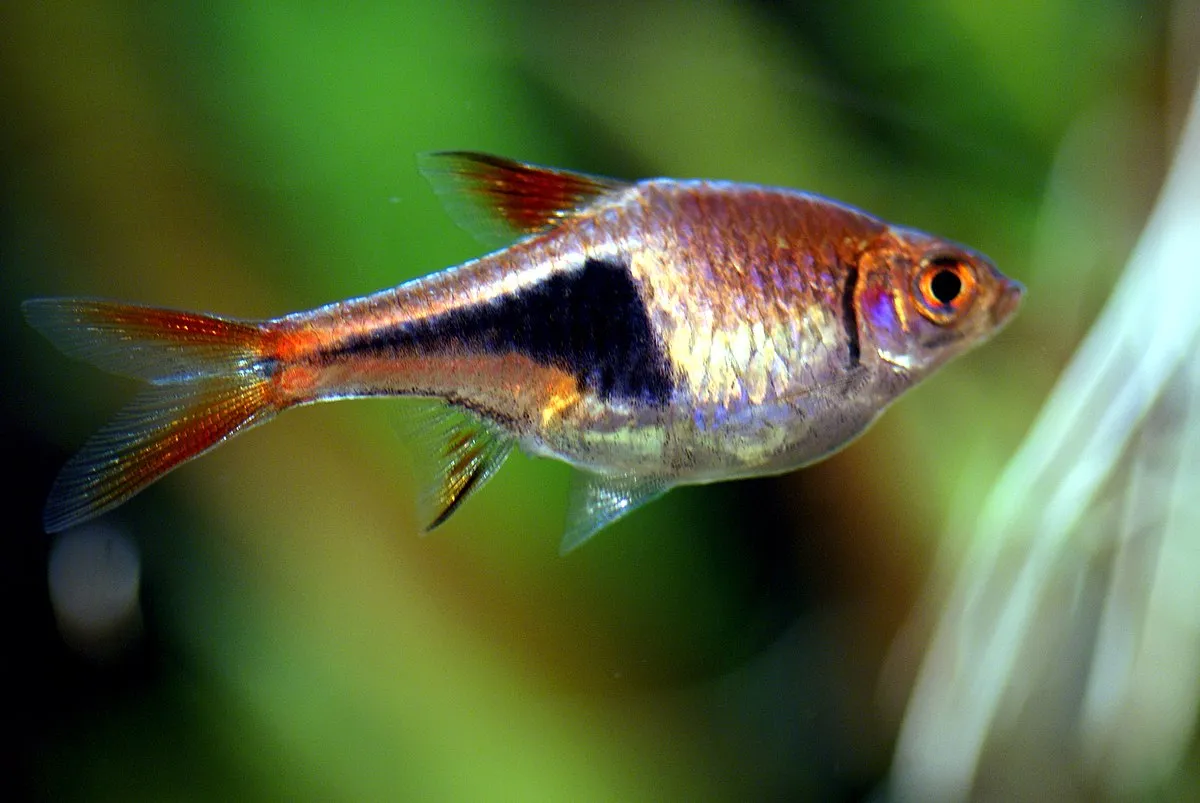
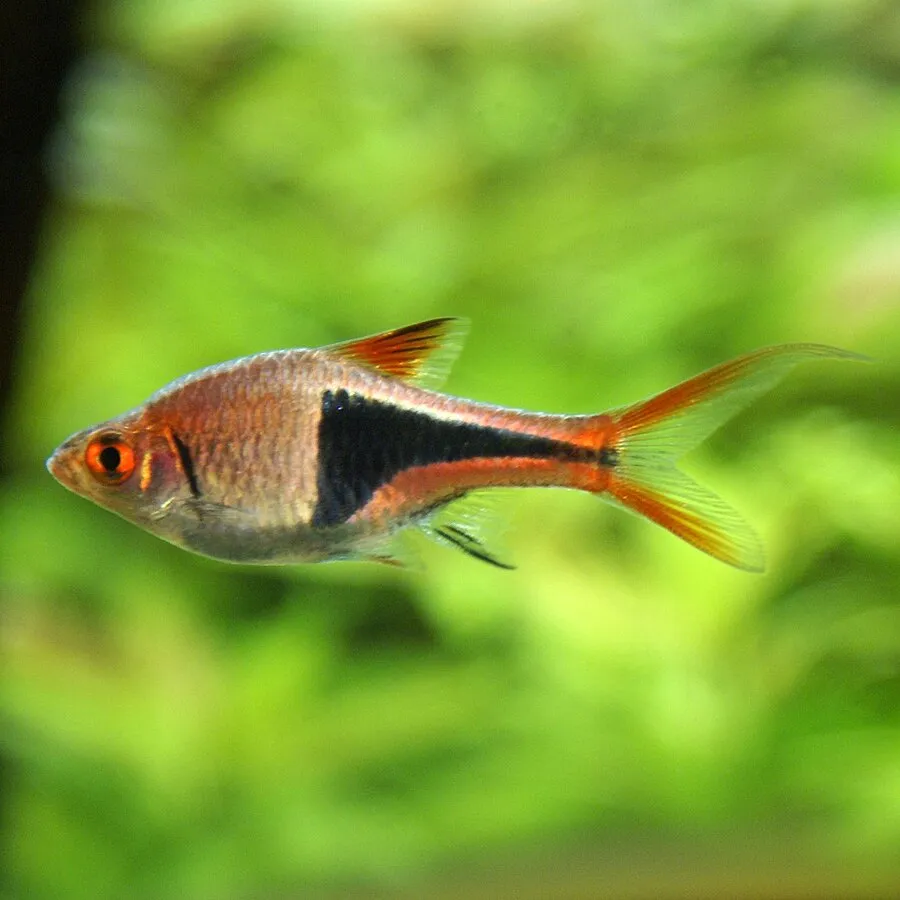
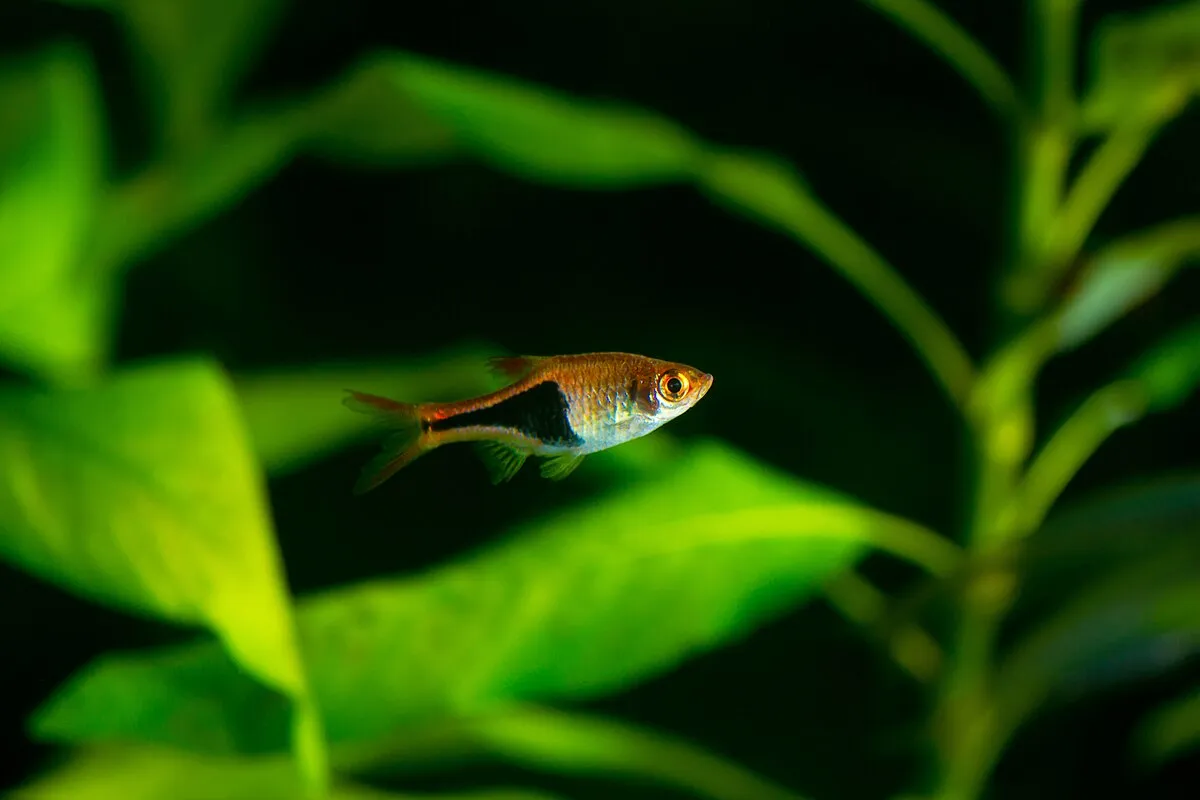
The Harlequin Rasbora (Trigonostigma heteromorpha) is a vividly colored freshwater aquarium fish, easy to recognize by its lovely copper-orange color and the black triangular spot on its rear half. Southeast Asian native of Thailand, Malaysia, and Singapore, these tiny shoaling fish bring splashes of vibrancy and dynamism to planted aquariums.
They are very low-maintenance, laid-back in disposition, and live amicably in schools — and therefore an excellent choice of first fish and community tank inhabitant.
Origin of the Harlequin Rasbora
Harlequin Rasboras are found in Southeast Asia's peat swamp forests and slow streams with soft, acidic water under a canopy of overhanging vegetation. This natural habitat is the reason they need low lighting and dense planting with leaf litter or driftwood.
Their attractiveness and easy adaptability have led them to become one of the most bred and prevalent small schooling fishes in the aquarium hobby these days.
Temperament of the Harlequin Rasbora
Harlequin Rasboras are lively, affectionate, and sociable fishes that feel safest when housed in groups of 8 to 10 fishes. They hardly exhibit any aggression and are compatible with other peaceful, small fishes.
They enjoy zipping around in the mid-level of the tank, schooling elegantly in bulk — a delight for any aquarist.
Harlequin Rasbora Compatibility with Other Fish
Placid nature also lends Harlequin Rasboras to be great community fish. They can be housed in a school with peaceful tankmates in the same water parameters.
Suitable tankmates are:
- Neon Tetras or Cardinal Tetras
- Corydoras Catfish
- Guppies
- Dwarf Gouramis
- Cherry Barbs
- Kuhli Loaches
Do not keep them with fin-nipping large species like Tiger Barbs or aggression-driven Cichlids.
Price Range of Harlequin Rasbora
Harlequin Rasboras are very cheap and easily available in all pet stores. They generally cost ₹80 to ₹200 per fish in India based on size and color variation. It is economical — and best for their health — to buy them in batches.
Characteristics
Temperament
Aggressive
Friendly
Compatibility with other fishes
Not Friendly
Super Friendly
Habitat Size
Small
Large


Habitat Requirements of the Harlequin Rasbora
Initial Setup Cost
₹3,000 - ₹6,000
Water Temperature
22º -26ºC
Water Type
Fresh Water
PH Level
6 - 7.5
Tank Setup
- Tank Type: Freshwater
- Minimum Tank Capacity: 20 gallons for a school of 8+ fish
- Substrate: Sand or fine gravel
- Decoration: Live plants, driftwood, and floating leaves to create shades
- Lighting: Low to medium, to imitate their natural environment
Water Parameter
- Temperature: 23–28°C (73–82°F)
- pH Level: 6.0–7.5
- Hardness: 2–15 dGH
Environmental Requirements
Harlequin Rasboras like stable and clean water conditions. Use a gentle filter not to create strong currents, and do weekly 25–30% water changes
Essential Equipment
Aquarium tank
Water filter
Heater
Substrate
Light
Nutritional Guide of the Harlequin Rasbora
Avg Monthly Expenses
₹50 - ₹ 100
Harlequin Rasboras are omnivores and like small, easily digestible foods.

Recommended Diet:
- High-quality micro pellets or flake
- Frozen or live foods such as brine shrimp and daphnia
- Chopped bloodworms (only as an occasional treat)
- Crushed spirulina flakes to add color
Feed them in small amounts at one time 2–3 times a day so that there is no leftover waste to contaminate the water.

Care & Health of the Harlequin Rasbora
Common Health Issues
Fin rot
White spot / ick
Parasites
Fungus
Swim bladder inflammation
Bacterial infections
Signs of good health
Active
Bright coloration
Good apetite
Signs of sickness
Loss of appetite
Swimming abnormally
Dull coloring
Lethargic behaviour
Cloudy eyes
Treat them well, but although hardy and tolerant, Harlequin Rasboras are prone to disease if the living condition deteriorates or becomes stressful.
Harlequin Rasbora Diseases
Fin Rot
Fin rot is produced by filthy water or bacterial infection.
- Symptoms: Frayed or degraded fins, or white fringing.
- Treatment: Enhance tank cleanliness and administer antibacterial medication.
Velvet Disease
Parasite that makes the fish gold-dust colored.
- Symptoms: Yellow dust on the body, fin clamped, and lethargy.
- Treatment: Lower the tank lights and treat with copper-based medication.
Stress Disease
Usually caused by overcrowding or incompatibility of tankmates.
- Symptoms: Pale colour, loss of appetite, or excessive hiding.
- Treatment: Minimise stressors, keep them calm, and provide well-fed foods.
Prerequisites for a Fish
Adequate tank space
Cleanliness
Effort & commitment
Enriching Environment

Written by
Happy Pet TeamAuthor
Team Happy Pet is a passionate collective of pet experts, enthusiasts, and advocates dedicated to sharing trusted and insightful content.
Our cont
Frequently Asked Questions
Are Harlequin Rasboras suitable for beginners?
Yes, Harlequin Rasboras are excellent choices for beginner aquarists due to their hardy nature, peaceful temperament, and ease of care. They can adapt to a wide range of water conditions.
Are Harlequin Rasboras compatible with other fish species?
Yes, Harlequin Rasboras are peaceful fish and get along well with other non-aggressive species. They are suitable additions to community aquariums, especially with other small, peaceful fish that inhabit different areas of the tank.
What should you feed Harlequin Rasboras?
Harlequin Rasboras are omnivores and will accept a variety of foods including flake or pellet food, as well as live or frozen foods such as bloodworms, brine shrimp, and daphnia. Offering a varied diet ensures they receive all the necessary nutrients.