
Home
/
Fish species
/
Green Gold Corydoras
Origin
South America
Habitat Size
50- 150 litres
Water Type
Fresh Water
Water Temperature
22º-26ºC
Cost in India
₹80 - ₹150
Size
2 - 2.5 inches (Small)
Diet
Omnivore

by Happy Pet TeamUpdated on 1 Dec 2025
Green Gold Corydoras Fish Guide
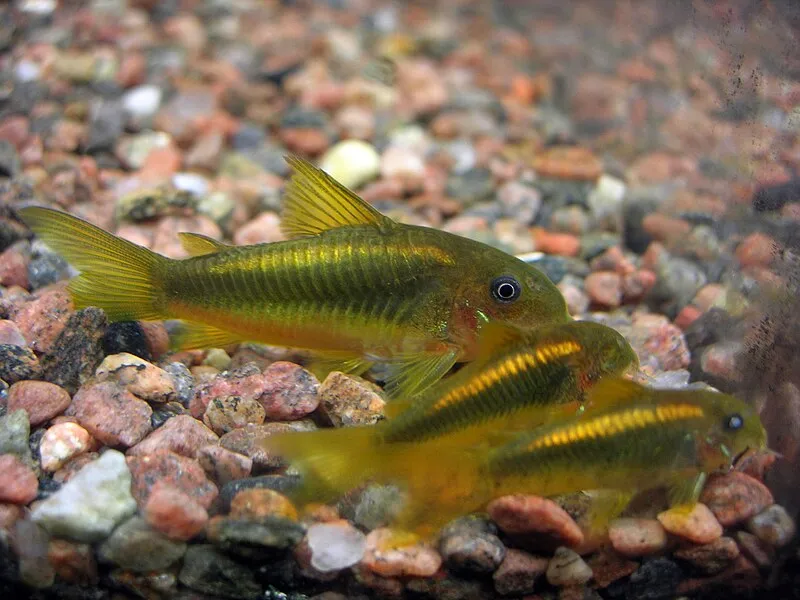
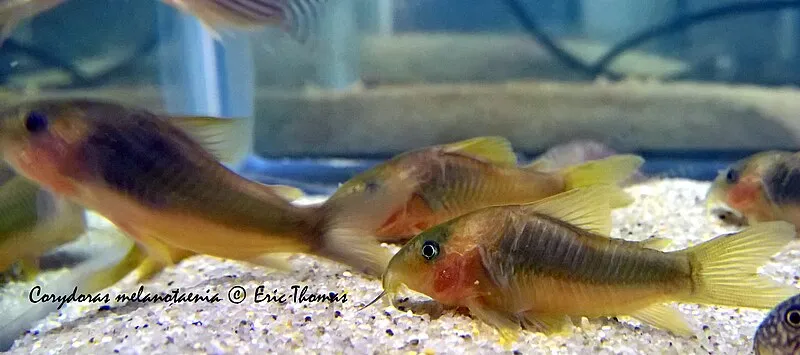
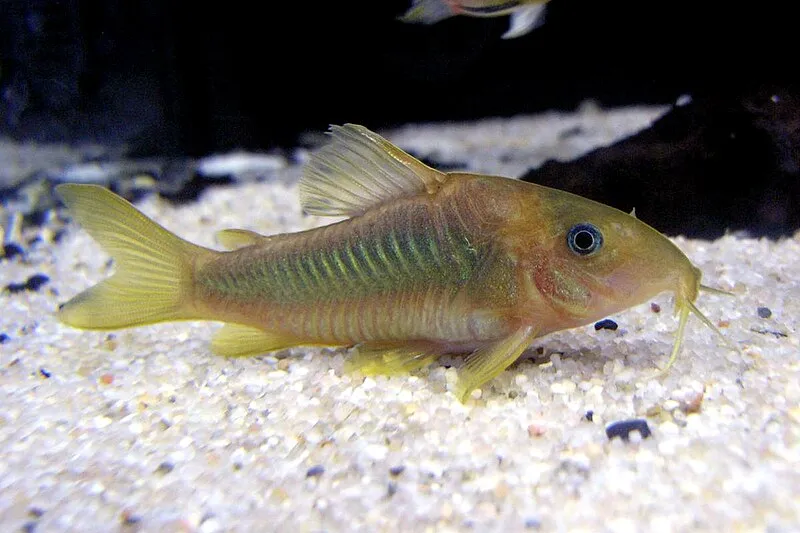
The Green Gold Corydoras (scientific name Osteogaster melanotaenia, formerly Corydoras melanotaenia) is a small, bright catfish with green and golden shades along its body. It is popular in home aquariums because it is peaceful, active, and fun to watch as it searches the bottom for food. These little fish grow to about 5–6 cm (2–2.5 in) and like to live in groups.
Green Gold Corydoras Origin
Green Gold Corydoras come from rivers in South America, especially the Meta River basin in Colombia. They live in slow streams and flooded areas with plants.
Temperament
- These corys are peaceful, shy at first, and very social.
- They like being in small schools (5 or more).
- When comfortable, they swim along the bottom and poke their mouths into the sand looking for tiny bits to eat.
- They are not aggressive and won’t bother calm tankmates.
Green Gold Corydoras Compatibility
Good tankmates:
- Small, peaceful community fish:
- Small characins
- Cyprinids
- Anabantoids
- Dwarf cichlids
Avoid:
- Large or aggressive fish (big cichlids, tiger barbs) that may nip or bully them.
Green Gold Corydoras Price range
- Green Gold Corydoras (unspecified common type) for ~ ₹80–₹120 per fish.
- Some Cory pairs or special ones cost a bit higher (₹150–₹250 or more) when less common.
Characteristics
Temperament
Aggressive
Friendly
Compatibility with other fishes
Not Friendly
Super Friendly
Habitat Size
Small
Large


Green Gold Corydoras Habitat requirements
Initial Setup Cost
₹4,000 - ₹12,000
Water Temperature
22º -26ºC
Water Type
Fresh Water
PH Level
6 - 7.5
Tank type
- Freshwater tropical aquarium
Green Gold Corydoras Aquarium size
- Minimum: 20 litres (5 gallons) for a small group is too small — better to plan for at least 60–80 litres (15–20 gallons) so a small school can swim comfortably.
Water conditions
Environment needs
- Soft, sandy substrate so their sensitive barbels don’t get damaged.
- Live or silk plants, smooth rocks, and hiding spots help them feel safe.
- Gentle filtration and low to moderate water flow mimic their natural streams.
Essential Equipment
Aquarium tank
Water filter
Heater
Light
Substrate
Decor
Green Gold Corydoras Nutritional Guide
Avg Monthly Expenses
₹80 - ₹ 150
Diet type

- Omnivore (they eat both animal and plant matter).
Green Gold Corydoras Suitable foods
- Sinking pellets designed for bottom-feeders.
- Frozen or live foods like bloodworms, daphnia, and brine shrimp.
- Occasional blanched vegetables (zucchini, spinach).
- Flakes are okay if they sink; make sure food reaches the bottom.
Feeding Frequency & Tips
- Feed small amounts 1–2 times a day.
- Give only what they can eat in 2–3 minutes to avoid leftover food fouling the tank.
- Watch their bellies — round and active fish are healthy.

Green Gold Corydoras Health & care
Common Health Issues
Swim bladder disease
Fin rot
Velvet
White spot / ick
Ammonia poisoning
Parasitic infections
Signs of good health
Active
Bright coloration
Good apetite
Signs of sickness
Loss of appetite
Lethargic behaviour
Frequent hiding
Dull coloring
Tattered fins
Below are common issues and what to watch for:
- Ich (White Spot Disease): Ich comes across like salt grains that are white on the fins and body because of a small parasite. Fish that happen to be infected may breathe in a faster manner and scratch at decorations. Usually, one treats the issue via raising the water temperature slightly. In addition, one uses an anti-parasitic medicine that is safe and made for freshwater fish. Carefully follow product instructions, along with removing activated carbon from filters upon medicating.
- Fin rot: Fin rot appears as darkening of, or ragged fin edges that slowly worsen. Poor water quality and stressed fish are often the cause. Ensure that you change the water more thoroughly as well as regularly. When needed, use a broad-spectrum antibacterial treatment. To reduce stress, keep the tank peaceful.
- Internal worms or parasites: Signs include a thin or bloated belly, loss of appetite, or odd swimming. Medicines, which are anti-parasitic and specific (available at pet stores), usually treat internal parasites. For proper treatment, follow a vet or product guide, then isolate a sick fish if possible.
- Hole-in-head (head & lateral line erosion): Though more common in some species, poor water quality and poor diet can cause pitting or small holes on the head area. You can reduce stress, and you can feed a nutritious, varied diet while improving water quality. In many cases, the condition stops improving once water, along with diet, is fixed. For internal infections, medications can help when under some guidance in many cases.
Green Gold Corydoras General health tips
- Keep water clean with regular partial water changes.
- Avoid overcrowding.
- Use a sandy bottom and smooth decorations to protect barbels.
- Quarantine new fish for 2 weeks before adding to the main tank.
Prerequisites for a Fish
Adequate tank space
Enriching Environment
Cleanliness
Effort & commitment

Written by
Happy Pet TeamAuthor
Team Happy Pet is a passionate collective of pet experts, enthusiasts, and advocates dedicated to sharing trusted and insightful content.
Our cont
Frequently Asked Questions
Can Corydoras melanotaenia be kept with other fish?
Yes, they are peaceful and compatible with other non-aggressive community fish.
What should I feed my Corydoras melanotaenia?
They are omnivores and should be fed a varied diet of high-quality sinking pellets, live or frozen foods, and occasional vegetable matter.
How often should I change the water in the tank?
Regular water changes, about 25% weekly, are recommended to maintain water quality.