
Home
/
Fish species
/
GloFish Tetra
GloFish Tetra
Origin
Brazil
Habitat Size
20-50 Liters
Water Type
Fresh Water
Water Temperature
22º-28ºC
Cost in India
₹50 - ₹100
Size
1.5 - 2 inches (Nano)
Diet
Omnivore

by Happy Pet TeamUpdated on 1 Dec 2025
GloFish Tetra Guide
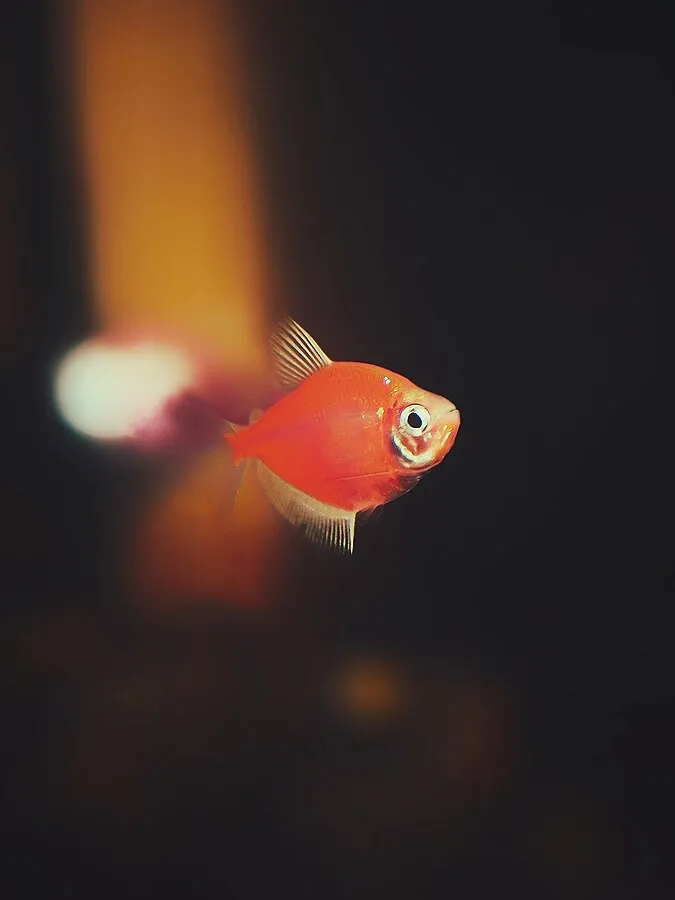
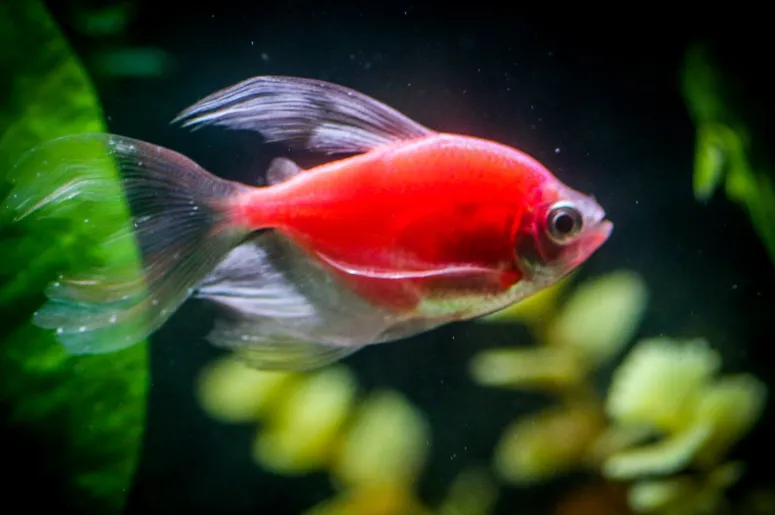
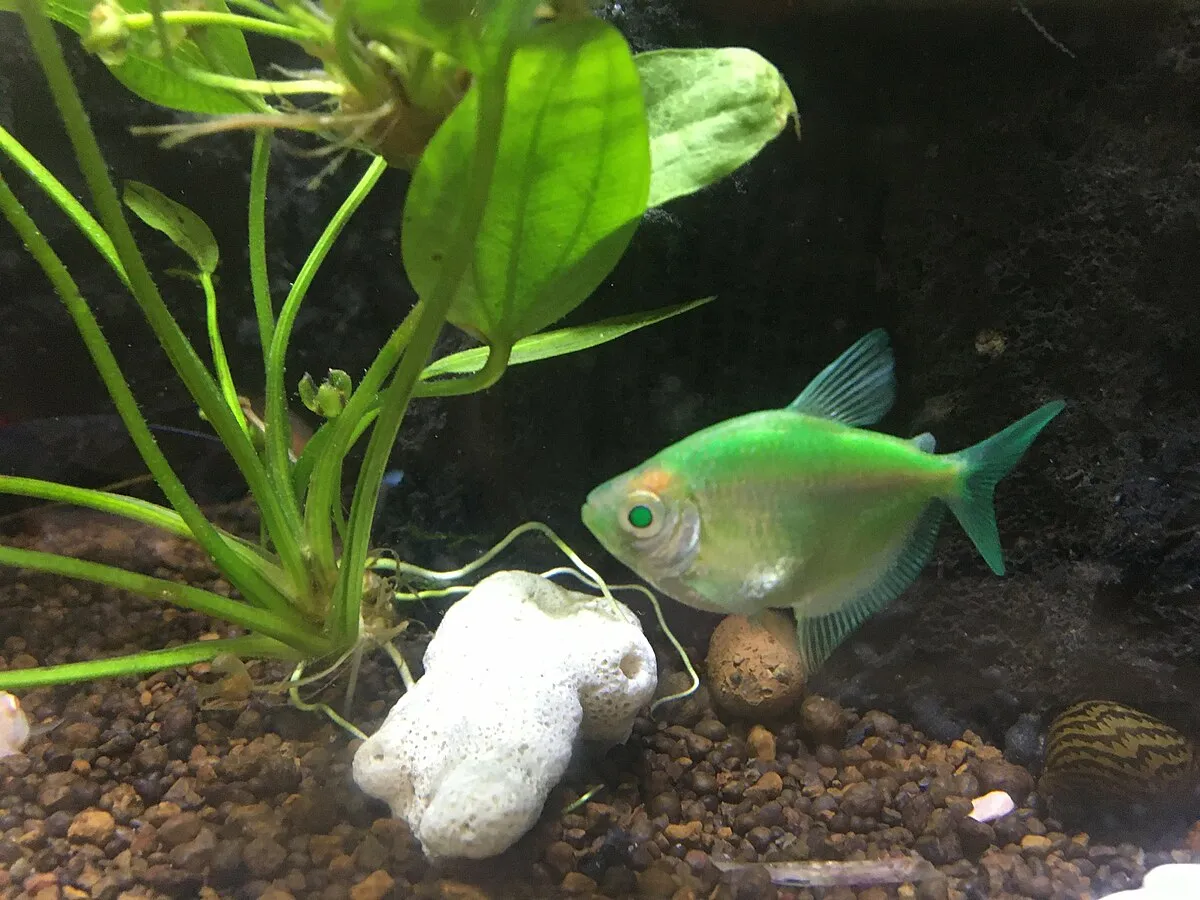
The GloFish Tetra is a glowing, colorful tetra fish made for aquarium lovers. Under special blue or black light, its body appears to glow with bright colors like red, green, blue, or purple. They are popular because of their sparkling look and calm nature, making them a fun addition to many freshwater tanks.
GloFish is a brand of genetically modified fluorescent fish. The tetras in this group are derived from the black skirt tetra species.
GloFish Tetra Origin
- GloFish tetras are based on the black skirt tetra (Gymnocorymbus ternetzi), but scientists added fluorescent genes (from jellyfish and coral) to make them glow.
- They first appeared in stores after the parent GloFish brand began producing fluorescent fish.
Temperament
- GloFish tetras are peaceful fish.
- They like to move together in a group (schooling behavior).
- Sometimes they may nibble the fins of slow, long-finned fish if kept with them.
- They prefer lower, dim light (their natural relatives live in shaded, slow-moving water).
GloFish Tetra Compatibility
- They do well with other peaceful, small fish like Corydoras catfish, rasboras, or small plecos.
- Avoid pairing them with large aggressive fish or ones with big, flowing fins like fancy guppies or some bettas, because of fin-nipping risk.
- Because they are schooling fish, they do best when kept in groups of 5 or more.
GloFish Tetra Price Range
- ₹25 up to ₹100 could be expected of a young or basic GloFish Tetra (small size, common color).
- Larger sizes might cost more (₹200-₹500 or higher). Rarer colors or specialty varieties also have this.
- Imported versions or branded versions cost more on account of shipping, licensing, etc.
Characteristics
Temperament
Aggressive
Friendly
Compatibility with other fishes
Not Friendly
Super Friendly
Habitat Size
Small
Large


GloFish Tetra Habitat Requirements
Initial Setup Cost
₹3,000 - ₹6,000
Water Temperature
22º -28ºC
Water Type
Fresh Water
PH Level
6.5 - 7.5
Tank Type
- GloFish tetras are freshwater tropical fish.
GloFish Tetras Aquarium Size
- A minimum of 10 gallons is often given.
- But many care sheets suggest 15 gallons or more is better when keeping a school.
- Some experts recommend 20 gallons to give them more space and stability.
Water Conditions
- Temperature: about 70–80 °F (21–27 °C)
- pH level: around 6.0 to 7.5
- Water hardness: Soft to moderately hard water is acceptable.
GloFish Tetra Environment Needs
Essential Equipment
Aquarium tank
Water filter
Heater
Light
Substrate
Decor
GloFish Tetra Nutritional Guide
Avg Monthly Expenses
₹50 - ₹ 100
GloFish Tetra Diet Type

- They are omnivores — they eat both animal and plant material.
Suitable Foods
- High-quality flakes or micro-pellets made for tropical fish.
- Frozen or live foods like brine shrimp, daphnia, and bloodworms.
- Occasionally, some vegetable matter (e.g., blanched spinach) is okay.
GloFish Tetra Feeding Frequency & Tips
- Feed once or twice a day, giving only what they can eat in about 1–2 minutes.
- Variety is good — don’t always feed just flakes.
- Avoid overfeeding — uneaten food decays and hurts water quality.

GloFish Tetra Health & Care
Common Health Issues
Fin rot
White spot / ick
Fungus
Parasites
Swim bladder disease
Signs of good health
Active
Bright coloration
Good apetite
Signs of sickness
Loss of appetite
Lethargic behaviour
White growths
Cloudy eyes
Tattered fins
Some of the common health issues found in GloFish Tetras (Gymnocorymbus ternetzi, fluorescent variety) are as follows:
- Ich (White Spot Disease): This common parasitic problem is characterized by the appearance of small white dots on the fins and body of the fish. A safe form of anti-itch medication, plus a slight increase in water temperature, is involved in the treatment process.
- Fin Rot and Bacterial Infections: Bacterial problems from poor tank hygiene or unstable conditions can occur. Such problems are examples like fin rot or body fungus. Fins may look discolored or frayed. Treatment includes improving water quality and appropriately using antibacterial medicines.
- Parasitic Issues: External parasites may cause scratching against objects, sluggish movement, or loss of appetite. Fish that are newly added are more at risk. Use anti-parasite aquarium-safe treatments when needed always.
- For problem prevention: Quarantine all new fish for 2 to 3 weeks before adding them to the main tank. Most diseases are preventable through stable water conditions as well as a clean substrate. Regular water changes also aid in disease prevention.
GloFish Tetra General Health Tips
- Test water parameters often: ammonia and nitrite should be zero, nitrates should be low.
- A fine filter keeps water quite stable for providing cleanliness.
- Schooling fish exist in groups to lower stress. Quiet companions may lower tension, too.
- Eating a varied, high-quality diet supports strong immunity and exhibits bright colors.
Prerequisites for a Fish
Adequate tank space
Cleanliness
Effort & commitment
Enriching Environment

Written by
Happy Pet TeamAuthor
Team Happy Pet is a passionate collective of pet experts, enthusiasts, and advocates dedicated to sharing trusted and insightful content.
Our contÂ
Frequently Asked Questions
Are GloFish Tetras safe for the environment?
Yes, GloFish Tetras are considered safe for the environment. They are bred from existing species of Tetras and do not pose any ecological risk. However, responsible pet ownership includes proper care and management to prevent accidental release into natural habitats.
Do GloFish Tetras need special lighting?
GloFish Tetras do not require special lighting to thrive, but they display their fluorescent colors best under blue or black light. Regular aquarium LED lights are sufficient for their health and well-being
Are GloFish Tetras suitable for beginners?
Yes, GloFish Tetras are suitable for beginner aquarists. They are hardy, easy to care for, and relatively peaceful, making them a popular choice for community tanks.