
Home
/
Fish species
/
Flame Angelfish
Flame Angelfish
Origin
Indo-Pacific
Habitat Size
50-150 Liters
Water Type
Salt Water
Water Temperature
24º-27ºC
Cost in India
₹80 - ₹150
Size
3 - 4 inches (Small)
Diet
Omnivore

by Happy Pet TeamUpdated on 1 Dec 2025
Flame Angelfish Guide
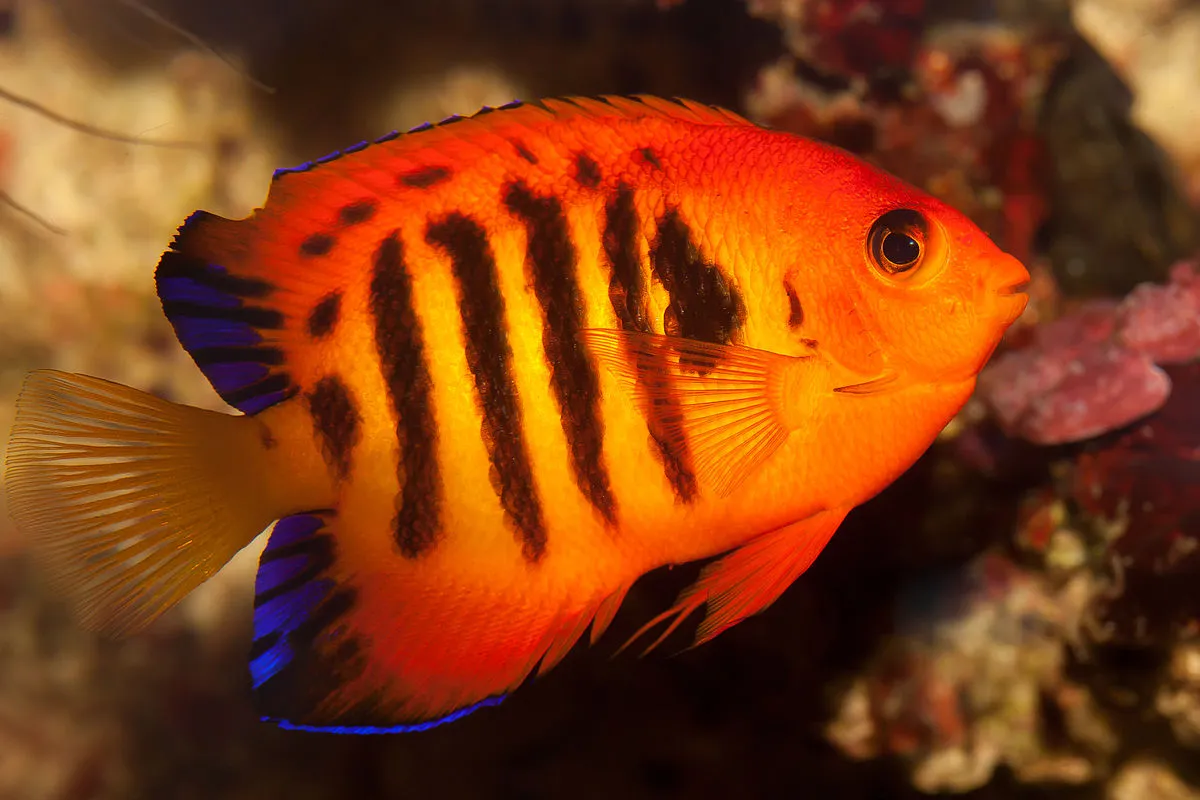
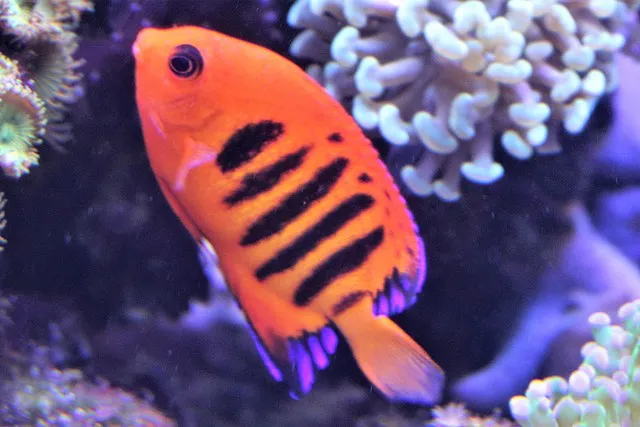
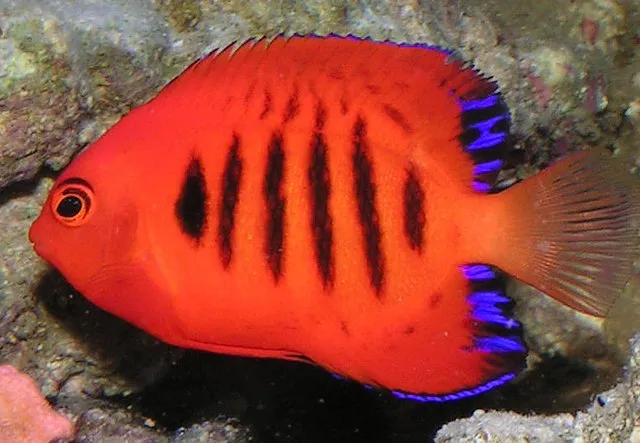
The Flame Angelfish (Centropyge loriculus) is a small, bright orange-red saltwater fish with black vertical bars and blue-edged fins. Kids love it because it looks like a little flame that swims. It is a popular aquarium fish because of its bright colors and active grazing on rocks.
Flame Angelfish Origin
- Native to tropical parts of the Pacific Ocean, such as:
- Marshall
- Line and Cook Islands
- Other Oceania reefs
- It lives on coral reefs and clear lagoons where it hides among rocks and crevices.
- In the wild, it often lives in small groups called harems (one male with several females).
Temperament
- Mostly semi-peaceful but can be territorial.
- Tends to be shy at first, then becomes bold and spends time grazing on live rock.
- May become bossy toward other dwarf angelfish or much smaller fish.
- Best described as curious and active, it likes to swim around rockwork and nip at algae.
Compatibility
- Good tank mates:
- Tangs
- Blennies
- Gobies
- Many damselfish (if the tank is large and territories are clear).
- Avoid: other dwarf angelfish of the same kind in small tanks (they may fight), and very small, slow-moving fish that could be bullied.
- Tip: Add the Flame Angelfish after peaceful tank mates are established. Give each fish hiding spots to reduce fights.
Flame Angelfish Price Range
- Imported Flame Angelfish at specialty shops or online dealers: ₹9,000 to ₹14,000 per fish
- If it's a very high-quality specimen (rare color variant, excellent condition, from a premium source), it could go up to ~ ₹20,000
Characteristics
Temperament
Aggressive
Friendly
Compatibility with other fishes
Not Friendly
Super Friendly
Habitat Size
Small
Large


Flame Angelfish Habitat Requirements
Initial Setup Cost
₹4,000 - ₹12,000
Water Temperature
24º -27ºC
Water Type
Salt Water
PH Level
8.1 - 8.4
Tank Type
- Saltwater (marine) reef aquarium only. Not a freshwater or brackish fish.
Flame Angelfish Aquarium Size
- Minimum: About 100 gallons (≈375 litres) is recommended for comfort and to reduce aggression, though experienced hobbyists sometimes keep them in smaller, well-kept tanks.
Water Conditions
- Temperature: ~25–28 °C (75–82 °F).
- pH: 8.1–8.4
- Specific gravity/salinity: 1.020–1.025 (typical marine)
- Hardness/dKH: Aim for stable marine carbonate hardness (often dKH 8–12)
Environment Needs
- Lots of live rock for grazing and hiding.
- Caves, ledges, and crevices to feel safe.
- Moderate to strong water flow and good filtration.
- Lighting: normal reef lighting — the fish itself doesn’t need special light, but any coral/algae in the tank will.
Essential Equipment
Aquarium tank
Water filter
Heater
Light
Substrate
Decor
Flame Angelfish Nutritional Guide
Avg Monthly Expenses
₹80 - ₹ 150
Diet Type

- Omnivore (in the wild, it eats mainly algae plus small crustaceans).
Flame Angelfish Suitable Foods
- Algae/seaweed sheets and spirulina (a vital food).
- Angelfish or omnivores will enjoy high-quality marine flakes in conjunction with pellets.
- Meaty frozen foods, such as brine or mysis shrimp, now and then.
- Fresh or attached algae on live rock helps keep them healthy.
Feeding Frequency & Tips
- Feed small portions many times a day instead of having a big meal. This mimics natural grazing.
- A diet that is varied should be kept: staples that are algae-based, and meaty treats, occasionally.
- Hunger is maybe the reason that fish nip at corals or clams, so increase the vegetable algae offerings.

Flame Angelfish Health & Care
Common Health Issues
White spot / ick
Fin rot
Velvet disease (yellowish-brown spots on the skin)
Parasites
Bacterial infections
Swim bladder disease
Signs of good health
Active
Bright coloration
Good apetite
Undamaged fins
Signs of sickness
Loss of appetite
Lethargic behaviour
Frequent hiding
Dull coloring
Tattered fins
Common Health Issues
- Parasites (protozoans) picked up before or during sale
- Stress-related problems from poor water quality or bullying
- Occasional fin nipping or minor injuries from fights
Symptoms to Watch
- Not eating or hiding a lot
- Pale color, spots, frayed fins, rapid breathing
- Rubbing against rocks (flashing), or visible worms/patches
Treatment
- Quarantine new arrivals prior to adding them to the tank.
- Freshwater dips or dedicated parasite treatments when advised
- Maintain clean, stable water, as well as reduce stress through proper tankmates plus hiding places.
Flame Angelfish General Health Tips
- Keep regular water changes and clean filters
- Watch behaviour daily — early signs are easier to treat
- Offer a steady supply of algae-based food and live rock for natural grazing
Prerequisites for a Fish
Adequate tank space
Cleanliness
Effort & commitment
Enriching Environment

Written by
Happy Pet TeamAuthor
Team Happy Pet is a passionate collective of pet experts, enthusiasts, and advocates dedicated to sharing trusted and insightful content.
Our cont
Frequently Asked Questions
Can Flame Angelfish be kept with other fish?
Yes, Flame Angelfish can be kept with other non-aggressive fish, but they may exhibit territorial behavior, especially in smaller tanks.
What do Flame Angelfish eat?
They are omnivores and eat a varied diet of marine algae, shrimp, and specially formulated angelfish food.
What are common health issues for Flame Angelfish?
Common health issues include marine ich, bacterial infections, and parasitic infections. Maintaining good water quality and a balanced diet helps prevent these problems.