Home

/

Fish species

/

Elephant Nose

Elephant Nose

Origin

West Africa

Habitat Size

150-400 Liters

Water Type

Fresh Water

Water Temperature

24º-28ºC

Cost in India

₹200 - ₹300

Size

6 - 8 inches (Medium)

Diet

Omnivore
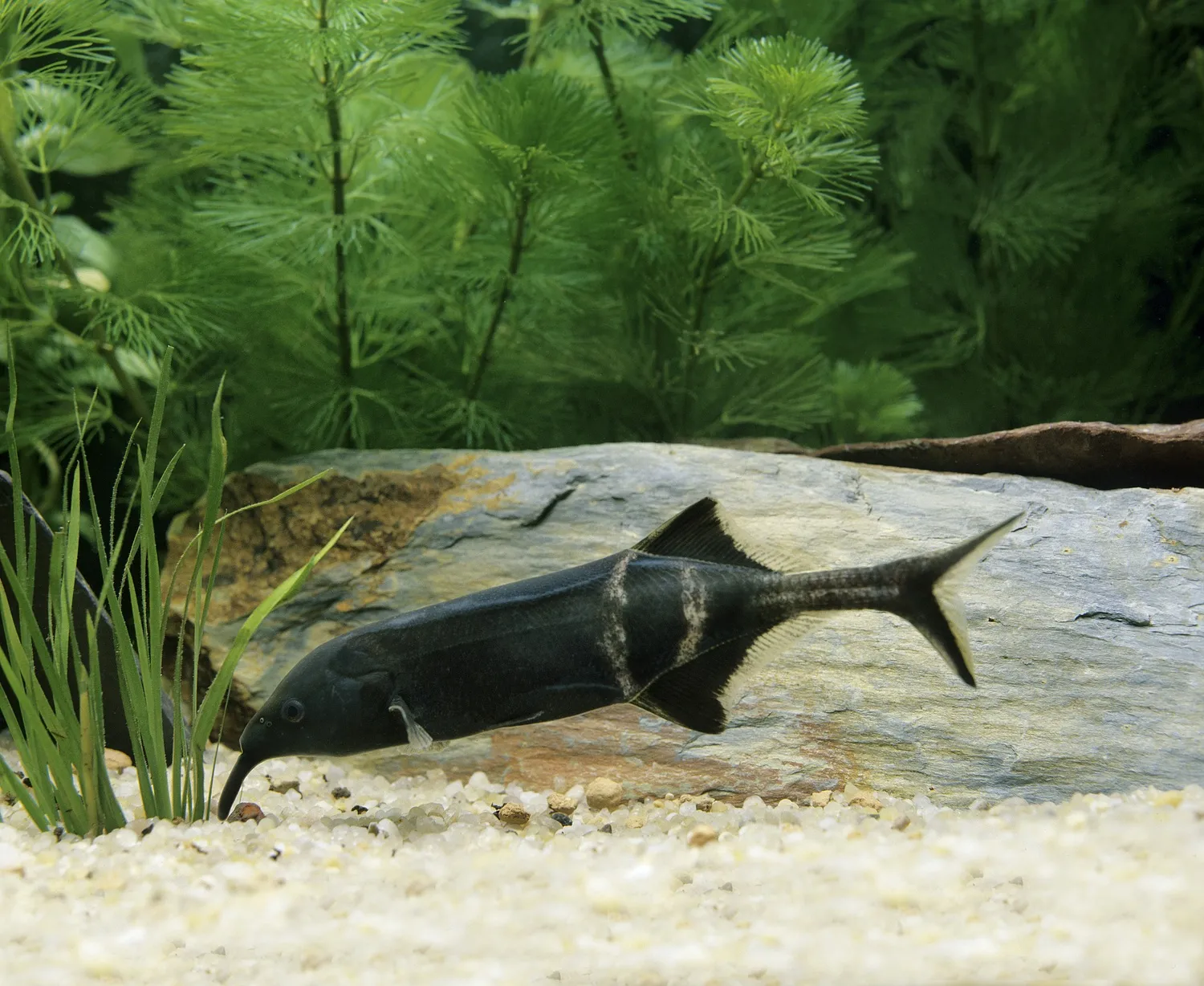
A dark Elephant Nose fish with a long snout swims left amidst lush green aquatic plants
written by image

by Happy Pet TeamUpdated on 1 Dec 2025

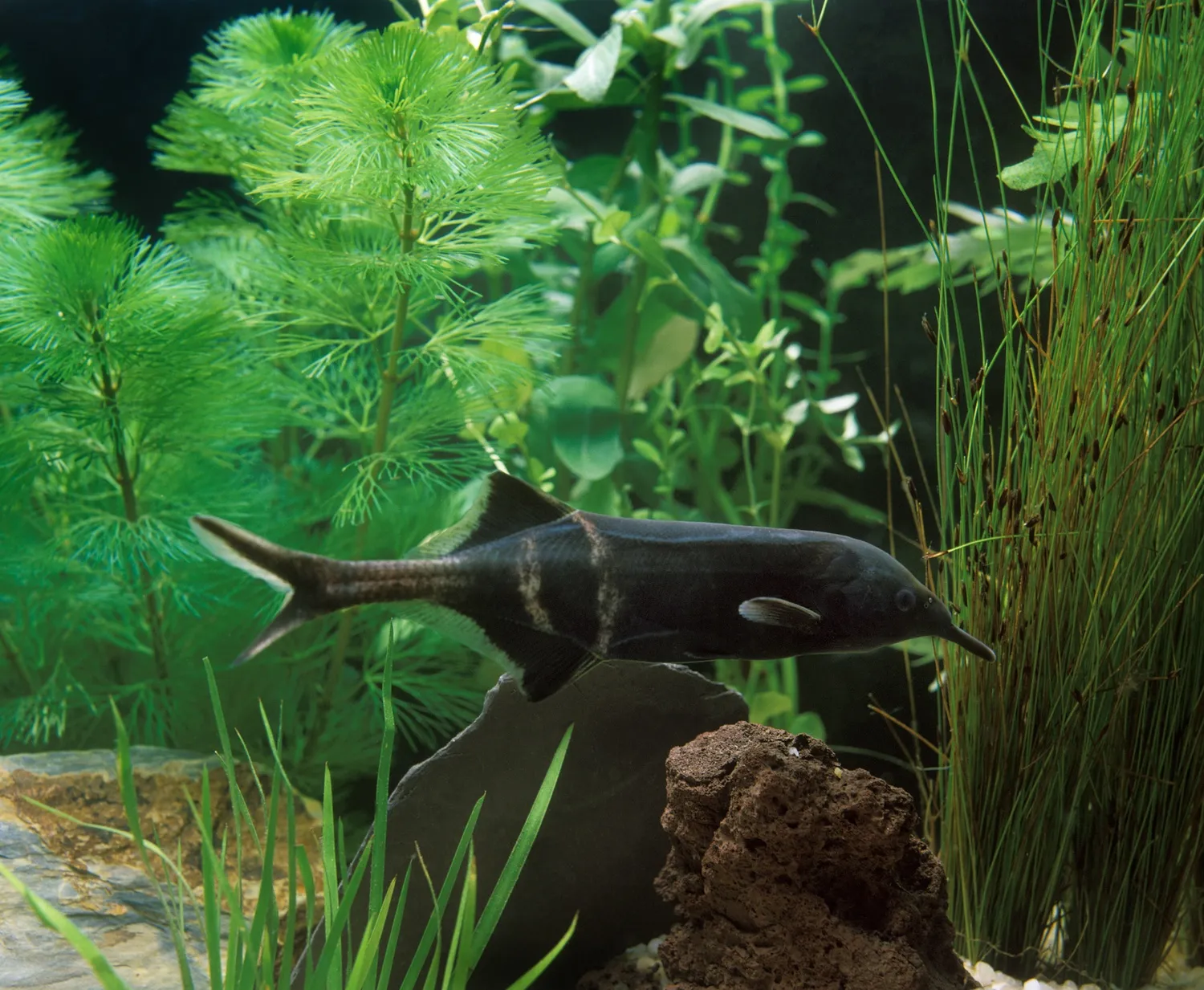
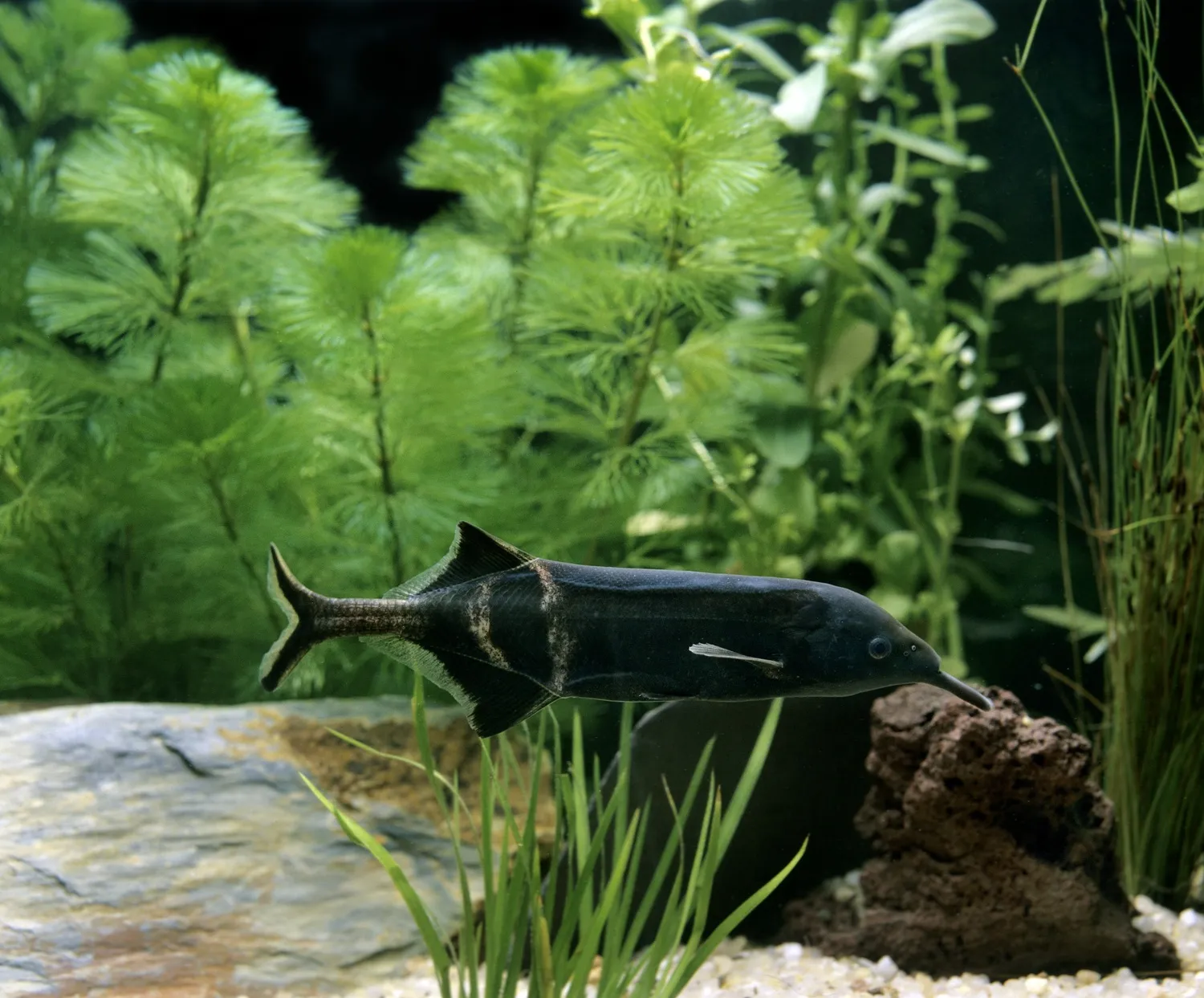
The Elephant Nose Fish is a very special freshwater fish with a long, trunk-like “nose” that it uses to sense things around it. It is popular among aquarium lovers because of its unusual look and its ability to “feel” in murky waters using weak electric signals. It is not a fish you see every day, so many people find it fascinating.

Elephant Nose Fish Origin

  1. This fish comes from West and Central Africa, in river systems like the Niger, Ogun, and Chari basins.
  2. In its wild home, it lives in slow-moving rivers or muddy, plant-filled water where visibility is low.

Temperament

  1. The Elephant Nose Fish is usually peaceful and shy, not aggressive by nature.
  2. However, when more than one of its kind is kept together in a small space, they can become territorial or aggressive toward each other.
  3. It is more active at night (nocturnal), exploring and feeding when it is darker.

Compatibility

  1. Good tank mates are calm, non-aggressive fish that share similar water needs.
  2. Fish like tetras, peaceful catfish, and small gouramis can work if they don’t eat too fast or bully this fish.
  3. Avoid putting it alongside very aggressive species, fast eaters, or other electric fish, because they may interfere or compete, and furthermore stress it.

Elephant Nose Fish Price Range

  1. Small/young Elephant Nose Fish (2-3 in/5-7 cm): ₹700 up to ₹1,000
  2. Medium size (4-5 in/10-13 cm): ₹1,100 up to ₹1,500
  3. ₹1,500-₹2,500+ is the cost of rare or larger specimens. The price does further depend on condition, rarity, and on the place of purchase.

Characteristics

Temperament

Aggressive

Friendly

Compatibility with other fishes

Not Friendly

Super Friendly

Habitat Size

Small

Large

about image

Elephant Nose Fish Habitat Requirements

Initial Setup Cost

₹10,000 - ₹30,000

Water Temperature

24º -28ºC

Water Type

Fresh Water

PH Level

6.5 - 7.5

Elephant Nose Fish Tank Type

  1. This is a freshwater fish. It does not need salt or brackish water.

Aquarium Size

  1. You should give it a large tank. Many guides suggest at least 50 gallons (≈ 190 liters) for a single Elephant Nose Fish. Some sources suggest that to keep more than one or give room, even a larger size is better.

Water Conditions

  1. Temperature: 23–29 °C (73–84 °F)
  2. pH level: 6.0 to 7.5 (slightly acidic to near neutral)
  3. Water hardness: generally 4–18°dGH or similarly soft to moderately soft water

Environment Needs

  1. Use a soft, sandy substrate rather than rough gravel. That protects its delicate “nose” from injury.
  2. Provide hiding places like caves, driftwood, PVC pipes, and plants. These fish feel safer with places to hide.
  3. Keep the lighting dim or subdued (not too bright). Adding floating plants can help soften light.
  4. Avoid strong currents or turbulence; stable, gentle flow is better since this fish senses electric fields.

Essential Equipment

Aquarium tank

Water filter

Heater

Light

Substrate

Decor

Elephant Nose Fish Nutritional Guide

Avg Monthly Expenses

₹200 - ₹ 300

Diet Type

  1. Carnivorous (it eats protein-rich foods).

Suitable Foods

  1. Live or frozen foods work best, such as:
  2. Bloodworms
  3. Blackworms
  4. Brine shrimp
  5. Insect larvae
  6. Many will not accept flakes or floating foods, especially at first.
  7. Over time, some may accept sinking pellets or other protein sinking foods.

Elephant Nose Fish Feeding Frequency & Tips

  1. Give small amounts of food several times a day. Instead, avoid providing one large feed.
  2. When the fish is indeed active, feed at some point during the evening or during the night.
  3. Watch for food that sinks slowly so the fish can reach it before faster or more aggressive tank mates.
  4. Always remove uneaten food to keep the water clean.
about image

Elephant Nose Fish Health & Care

Common Health Issues

Fungal infections

Parasites

Bacterial infections

Swim bladder inflammation

Hole in the head disease

Gill disease

Signs of good health

Active

Bright coloration

Good apetite

Signs of sickness

Loss of appetite

Lethargic behaviour

Cloudy eyes

White growths

Tattered fins

Elephant Nose Fish Common Health Issues

  1. General freshwater ailments: Ich, fin rot, parasites can affect this species.
  2. Injury to its nose (“schnauzenorgan”) if the substrate is rough.
  3. Very sensitive to medications (many standard treatments can harm them).

Symptoms to Watch

  1. White spots (for Ich)
  2. Fraying fins, reddened edges (for fin rot)
  3. Loss of appetite, hiding more than usual
  4. Damage or wounds around its nose area

Treatment

  1. Use medications safe for mormyrids / electric fish when needed; avoid copper or strong chemicals.
  2. Quarantine sick individuals before treatment if possible.
  3. Improve water quality immediately if problems appear.

General Health Tips

  1. Keep water very clean: filter maintenance, with regular partial water changes.
  2. Avoid any sudden shifts that are in temperature or pH, etc.; make sure to stabilize the water parameters.
  3. Provide an environment that is stress-free with hiding spots and dim light.
  4. Avoid overstocking or placing aggressive fish.

Prerequisites for a Fish

Adequate tank space

Cleanliness

Effort & commitment

Enriching Environment

written by image

Written by

Happy Pet Team

Author

Team Happy Pet is a passionate collective of pet experts, enthusiasts, and advocates dedicated to sharing trusted and insightful content.

Our cont
 

Frequently Asked Questions

What is unique about the Elephant Nose fish?

The Elephant Nose fish is known for its elongated, trunk-like snout that it uses to navigate and detect food in murky waters. This distinctive feature makes it a fascinating addition to freshwater aquariums.

Are Elephant Nose fish suitable for beginners?

No, Elephant Nose fish are not recommended for beginners due to their sensitivity to water conditions and specific care requirements. They are best suited for intermediate to advanced aquarists who can provide the necessary environment and maintenance.

What do Elephant Nose fish eat?

Elephant Nose fish are omnivores and should be fed a varied diet. Their diet should include high-quality pellets or flakes, live or frozen foods like bloodworms and brine shrimp, and occasional treats of blanched vegetables.