
Home
/
Fish species
/
Dusky Grouper
Dusky Grouper
Origin
Mediterranean Sea
Eastern Atlantic Ocean
Habitat Size
400-600 Liters
Water Type
Salt Water
Water Temperature
20º-25ºC
Cost in India
₹300 - ₹500
Size
20 - 30 inches (Large)
Diet
Carnivore
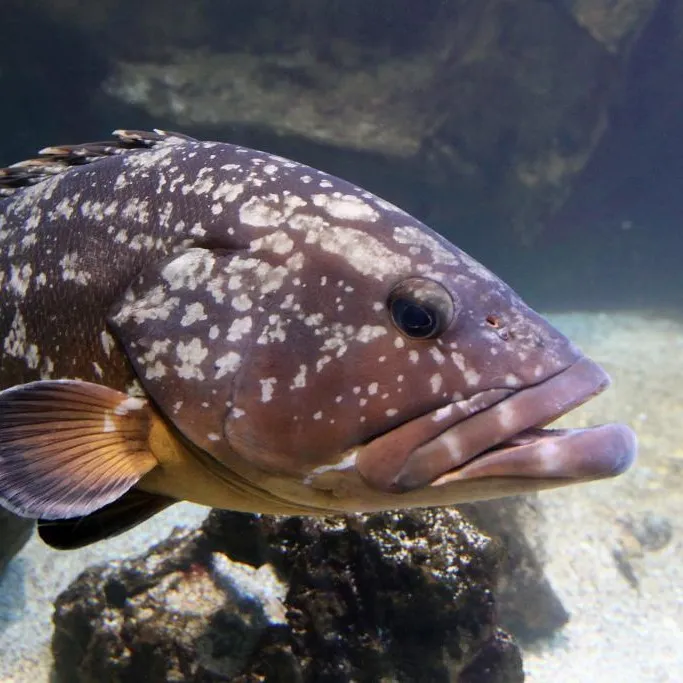
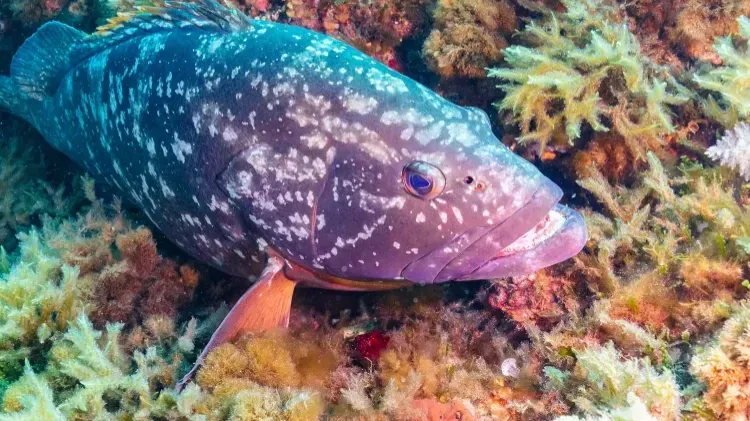
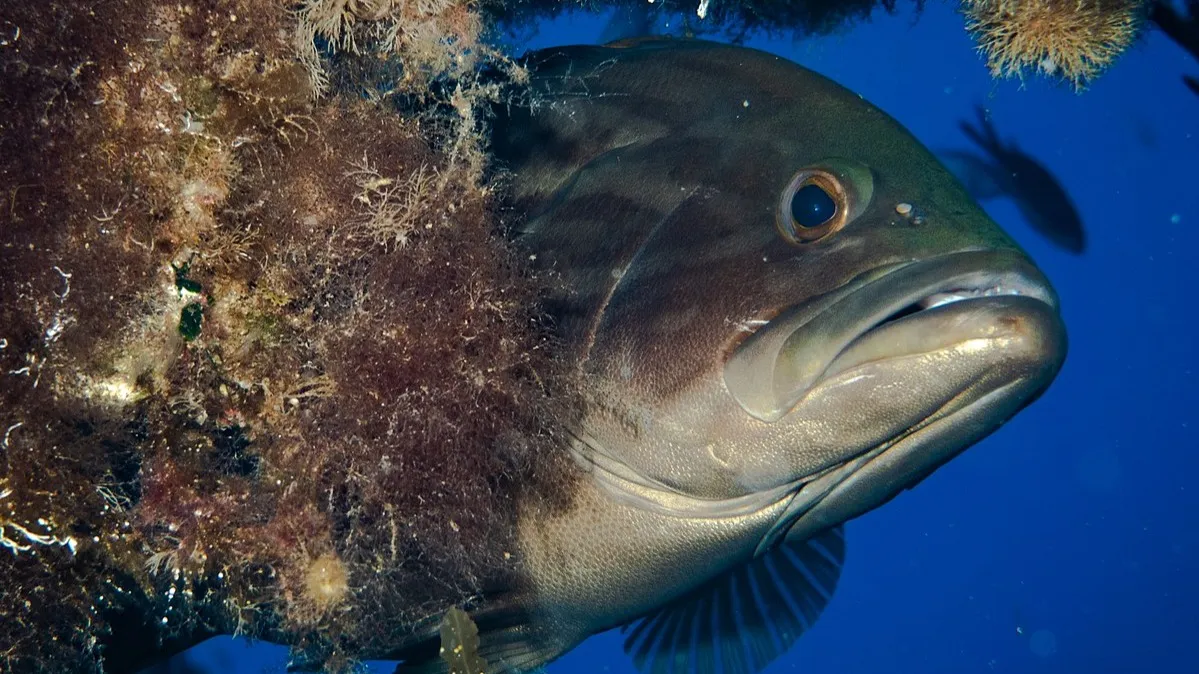

by Happy Pet TeamUpdated on 13 Nov 2025
Dusky Grouper Fish Introduction (Epinephelus marginatus)
The Dusky Grouper is a large carnivorous, marine fish widely known as yellowbelly grouper fish, garoupa fish, & yellowbelly rock cod fish. It is famous for its impressive size, striking appearance, and distinctive behaviors. The fish is native to the eastern Atlantic Ocean and Mediterranean Sea.
Characteristics
Temperament
Aggressive
Friendly
Compatibility with other fishes
Not Friendly
Super Friendly
Habitat Size
Small
Large


Dusky Grouper Fish Habitat
Initial Setup Cost
₹30,000 - ₹80,000
Water Temperature
20º -25ºC
Water Type
Salt Water
PH Level
7.8 - 8.5
It is a wild marine fish adapted to the conditions like -
Essential Equipment
Aquarium tank
Water filter
Heater
Substrate
Light
Decor
Diet of Yellowbelly Rock Cod Fish
Avg Monthly Expenses
₹300 - ₹ 500
The Dusky Grouper fish is carnivorous in nature. It feeds on fish, crustaceans (crabs etc.), cephalopods like squid, & octopus.


Dusky Grouper Health & Care Considerations
Common Health Issues
White spot / ick
Fin rot
Ammonia poisoning
Bacterial infections
Velvet disease (yellowish-brown spots on the skin)
Parasitic infections
Signs of good health
Active
Bright coloration
Good apetite
Signs of sickness
Loss of appetite
Dull coloring
Swimming abnormally
Swollen abdomen
White growths
Maintain daily health & care for the fish in the following ways -
Prerequisites for a Fish
Adequate tank space
Cleanliness
Effort & commitment
Enriching Environment
Written by
Happy Pet TeamAuthor
Team Happy Pet is a passionate collective of pet experts, enthusiasts, and advocates dedicated to sharing trusted and insightful content.
Our cont
Frequently Asked Questions
How big does a Dusky Grouper grow?
Up to ~150 cm and ~100 kg in the wild, though many individuals are smaller (40-80 cm).
How long do Dusky Grouper live?
Around 40-50 years in natural settings; up to ~60 in some records under ideal wild or semi-wild conditions.
Can Dusky Groupers be kept in aquariums?
Yes, but only by experienced marine aquarists with very large, correctly filtered tanks. Adults require vast space, strong filtration, and specialized care. Juveniles may be manageable earlier.
What should I feed a Dusky Grouper in captivity?
A diet of frozen or fresh fish, squid, crustaceans, live prey occasionally, feeding quantity and frequency adjusted as it grows, avoid overfeeding.