
Home
/
Fish species
/
Coral Banded Shrimp
Coral Banded Shrimp
Origin
Indo-Pacific
Habitat Size
50-150 Liters
Water Type
Salt Water
Water Temperature
24º-28ºC
Cost in India
₹80 - ₹150
Size
3 - 5 inches (Small)
Diet
Omnivore

by Happy Pet TeamUpdated on 11 Nov 2025
Coral Banded Shrimp Introduction
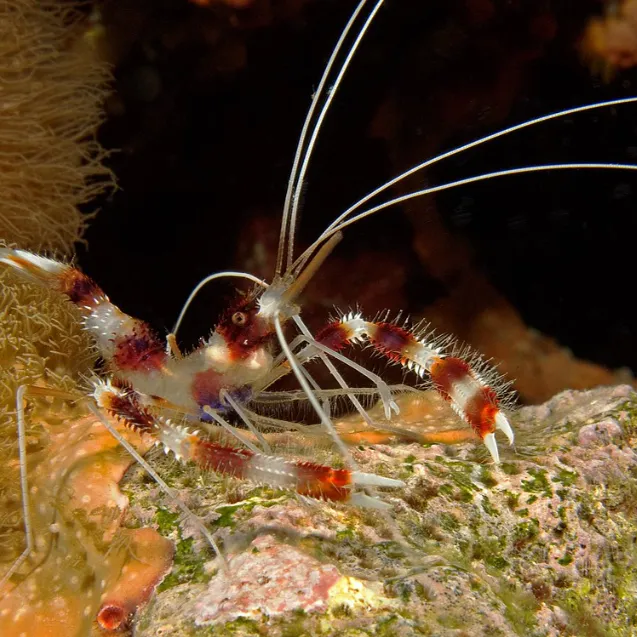
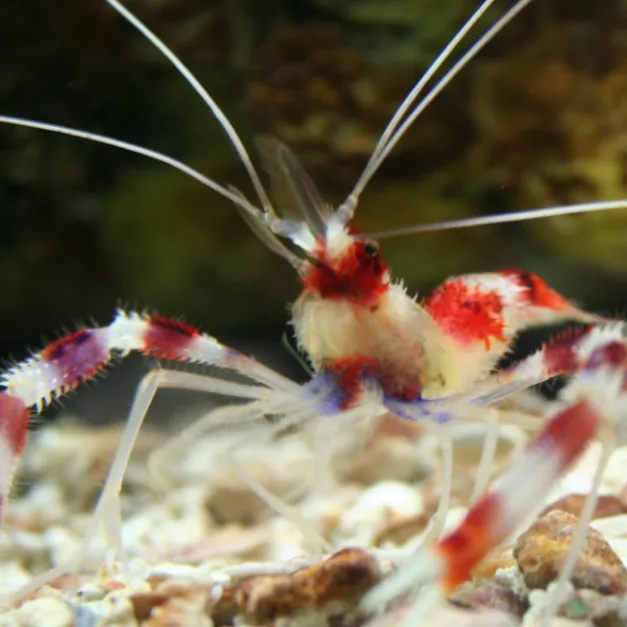
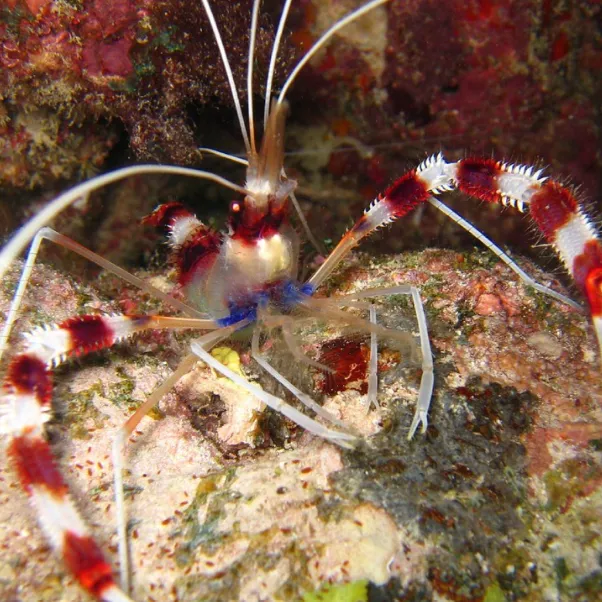
The coral banded shrimp (Stenopus hispidus) is commonly known as banded prawn, barber pole shrimp, or banded cleaner shrimp. It has a striking, vivid red & white striped body with long white antennae, and pincered claws for a beautiful visual appeal. The shrimp is loved by reef-tank enthusiasts. This species is a decapod crustacean with distinct behaviours and care needs. The shrimp is native to the Indo-Pacific and Western Atlantic oceans.
Characteristics
Temperament
Aggressive
Friendly
Compatibility with other fishes
Not Friendly
Super Friendly
Habitat Size
Small
Large


Coral Banded Shrimp Habitat Requirement
Initial Setup Cost
₹4,000 - ₹12,000
Water Temperature
24º -28ºC
Water Type
Salt Water
PH Level
8.1 - 8.4
Shrimps tend to live longer if all their living criteria are met. They thrive well and add a visual delight to the aquarium. Below are some habitat requirements that must be fulfilled to help Coral shrimp live peacefully and for long.
Essential Equipment
Aquarium tank
Water filter
Heater
Light
Substrate
Decor
Diet & Feeding Requirements of the Shrimp
Avg Monthly Expenses
₹80 - ₹ 150
The coral banded shrimp is omnivorous in nature. They feed on detritus, leftover fish food, small invertebrates, parasites, and occasional meaty foods (e.g. frozen or live shrimp, bristle worms).


Health
Common Health Issues
White spot / ick
Fungal infections
Ammonia poisoning
Parasitic infections
Ich (white spot disease)
Bacterial infections
Signs of good health
Active
Bright coloration
Good apetite
Signs of sickness
Frequent hiding
Dull coloring
White growths
Loss of appetite
Coral shrimp can feel stressed and face health issues if the recommended tank conditions are not met. Some of the health challenges they might face are.
Prerequisites for a Fish
Adequate tank space
Cleanliness
Effort & commitment
Enriching Environment
Written by
Happy Pet TeamAuthor
Team Happy Pet is a passionate collective of pet experts, enthusiasts, and advocates dedicated to sharing trusted and insightful content.
Our cont
Frequently Asked Questions
Are Coral Banded Shrimp easy to care for?
Coral Banded Shrimp are moderately easy to care for, suitable for intermediate aquarists. They require stable marine conditions and a varied diet. Regular maintenance and monitoring of the tank environment are essential for their health and well-being.
What should I do if my Coral Banded Shrimp molts improperly?
If improper molting occurs, check water parameters for stability and ensure the shrimp is not stressed. Remove leftover exoskeletons promptly and provide a well-balanced diet to support healthy molting. Monitoring and maintaining optimal tank conditions are key.
Can Coral Banded Shrimp be kept with other fish or invertebrates?
Yes, Coral Banded Shrimp can be kept with other peaceful fish and invertebrates. However, they may be territorial and could show aggression towards other shrimp or small invertebrates. Ensure tank mates are non-aggressive and provide hiding spots for the shrimp.