
Home
/
Fish species
/
Copperband Butterflyfish
Copperband Butterflyfish
Origin
Indo-Pacific
Habitat Size
150-400 Liters
Water Type
Salt Water
Water Temperature
24º-28ºC
Cost in India
₹200 - ₹300
Size
7 - 8 inches (Medium)
Diet
Omnivore

by Happy Pet TeamUpdated on 2 Dec 2025
Copperband Butterflyfish Fish Guide
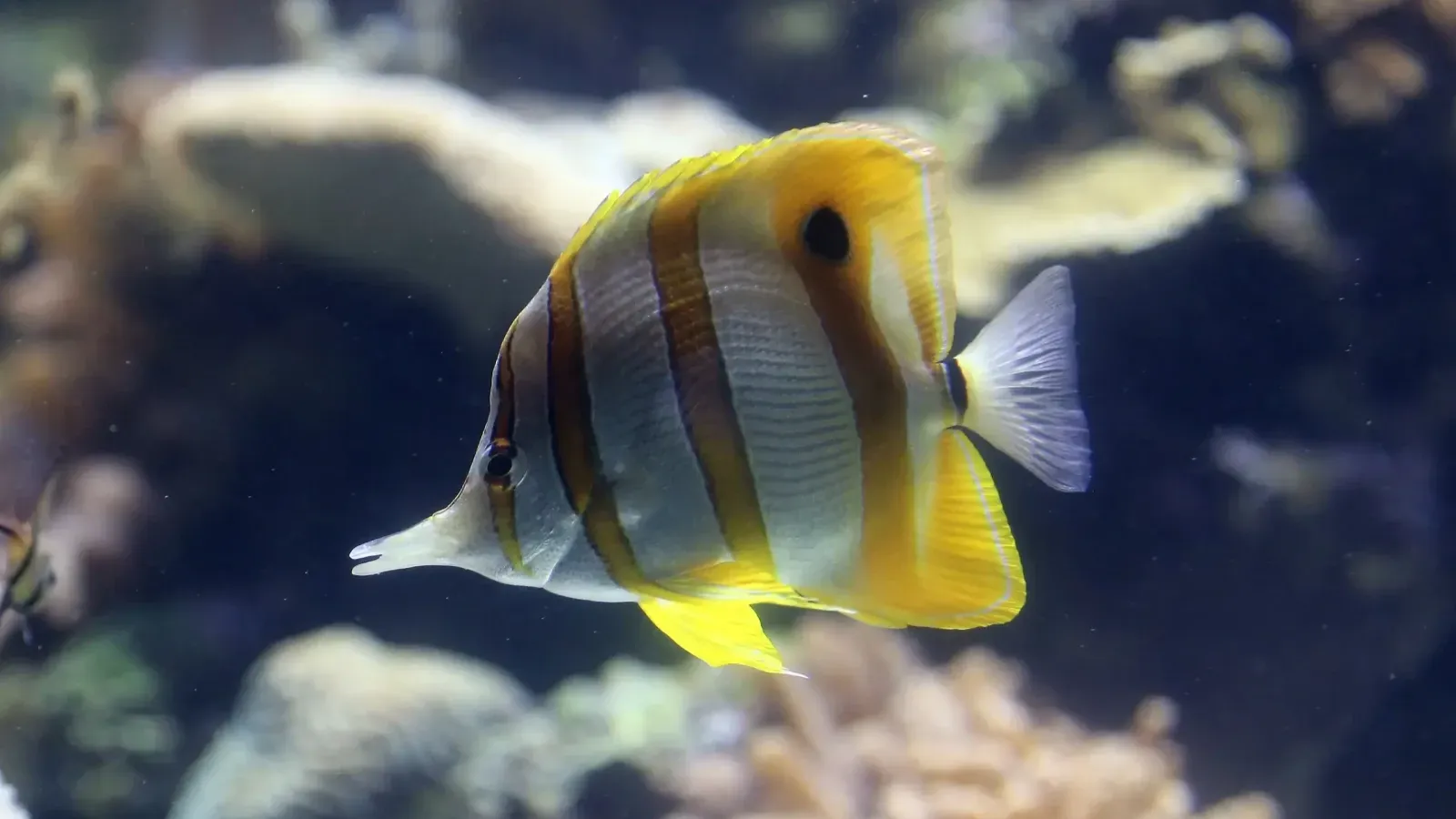
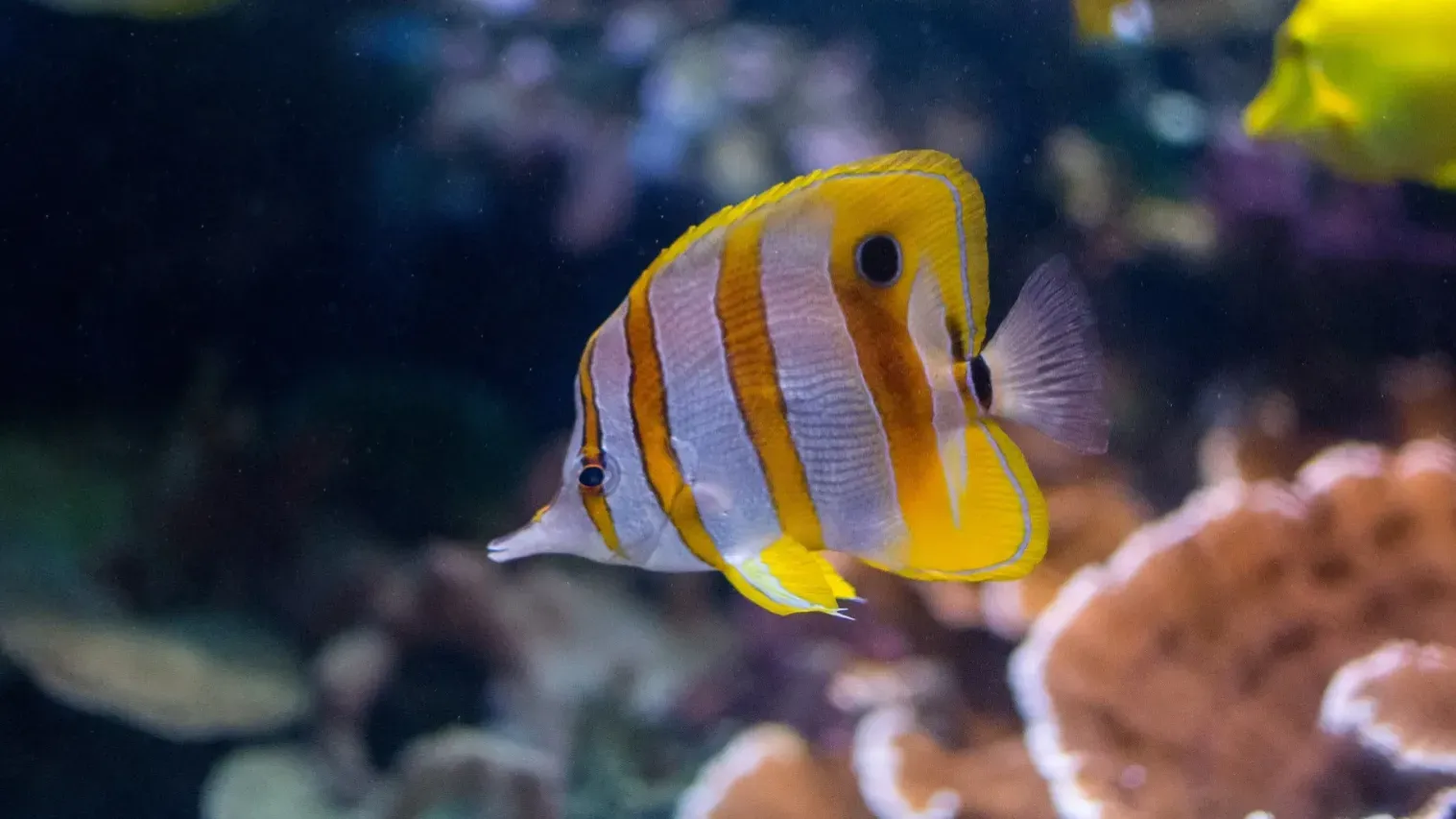
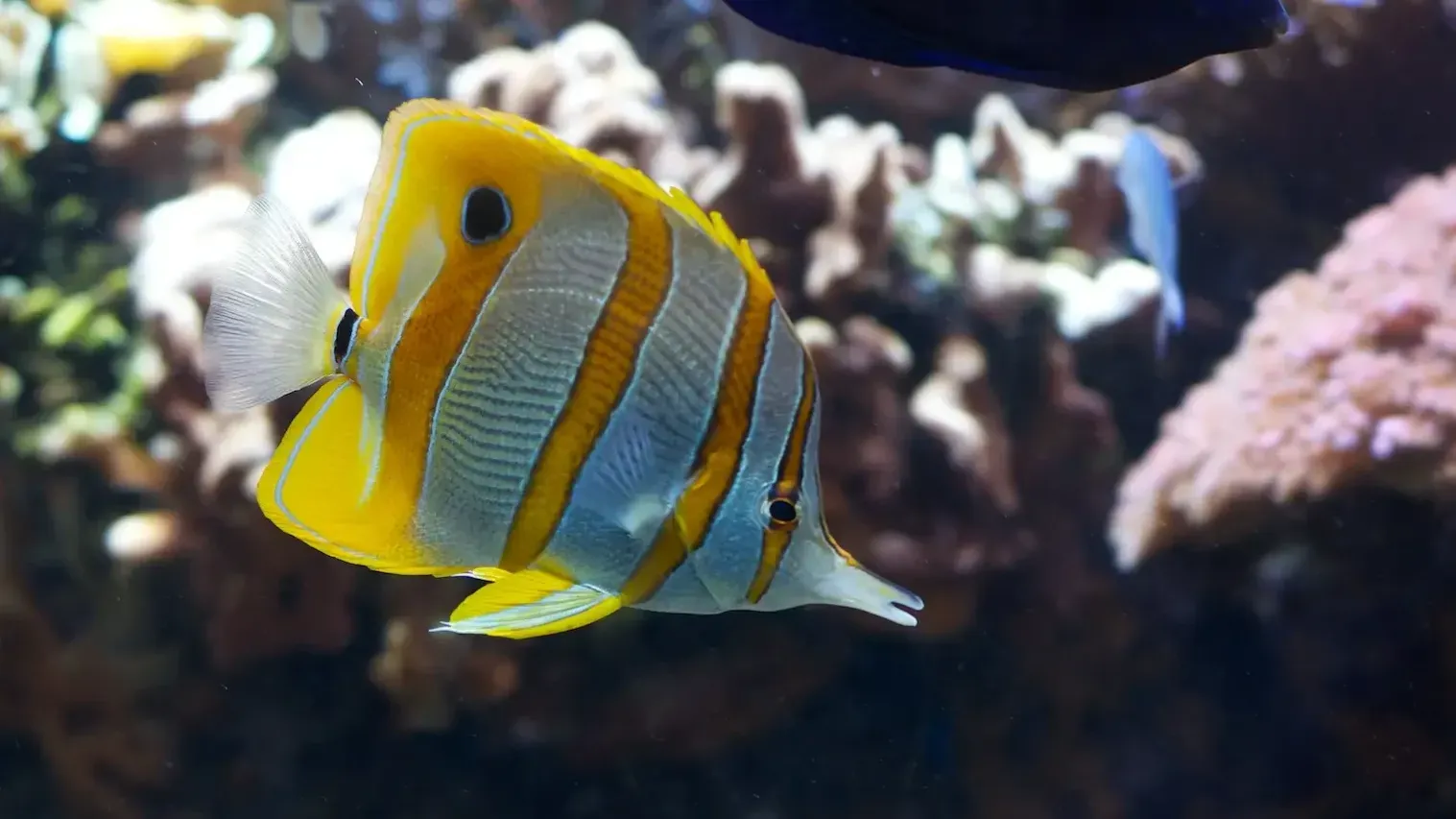
The Copperband Butterflyfish is a sea fish known for its pretty vertical yellow-orange bands on a white body, and a long, thin snout. It is popular among reef hobbyists because of its unique look and its ability to eat pest anemones in reef tanks.
Characteristics
Temperament
Aggressive
Friendly
Compatibility with other fishes
Not Friendly
Super Friendly
Habitat Size
Small
Large


Copperband Butterflyfish Habitat Requirements
Initial Setup Cost
₹10,000 - ₹30,000
Water Temperature
24º -28ºC
Water Type
Salt Water
PH Level
8.1 - 8.4
Tank Type
Essential Equipment
Aquarium tank
Water filter
Heater
Light
Substrate
Copperband Butterflyfish Nutritional Guide
Avg Monthly Expenses
₹200 - ₹ 300
Diet Type


Copperband Butterflyfish Health & Care
Common Health Issues
White spot / ick
Bacterial infections
Parasites
Swim bladder disease
Fungal infections
Ammonia poisoning
Signs of good health
Active
Bright coloration
Good apetite
Signs of sickness
Loss of appetite
Lethargic behaviour
Dull coloring
Tattered fins
Swimming abnormally
Copperband Butterflyfish common health issues
Prerequisites for a Fish
Adequate tank space
Cleanliness
Effort & commitment
Enriching Environment
Financial Capability
Written by
Happy Pet TeamAuthor
Team Happy Pet is a passionate collective of pet experts, enthusiasts, and advocates dedicated to sharing trusted and insightful content.
Our cont
Frequently Asked Questions
How often should to feed Copperband Butterflyfish?
Feed them two to three times daily to ensure they receive adequate nutrition.
Are Copperband Butterflyfish compatible with other fish?
They can be moderately compatible with other fish, but care should be taken to avoid aggressive tank mates.
What are common health issues for Copperband Butterflyfish?
Common issues include white spot (ich), bacterial infections, parasites, fungal infections, swim bladder disease, and ammonia poisoning.