
Home
/
Fish species
/
Convict Cichlid
Convict Cichlid
Origin
Central America
Habitat Size
50-150 Liters
Water Type
Fresh Water
Water Temperature
24º-27ºC
Cost in India
₹80 - ₹150
Size
2 - 6 inches (Small)
Diet
Omnivore

by Happy Pet TeamUpdated on 2 Dec 2025
Brief Overview of Convict Cichlid
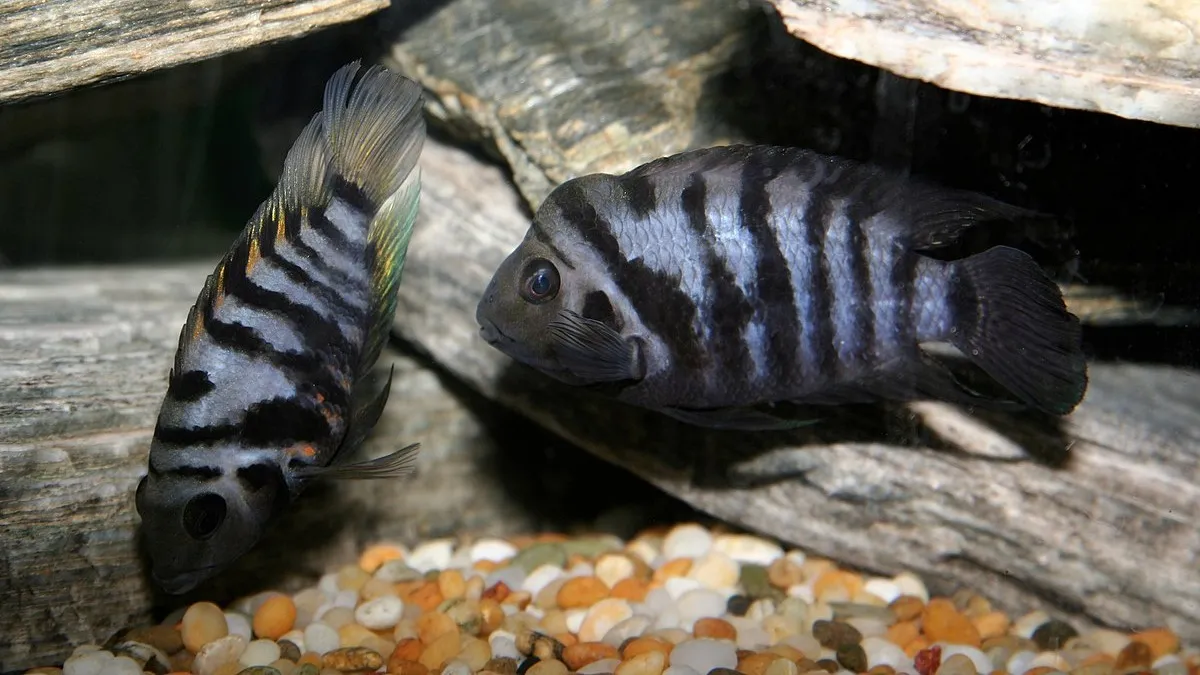
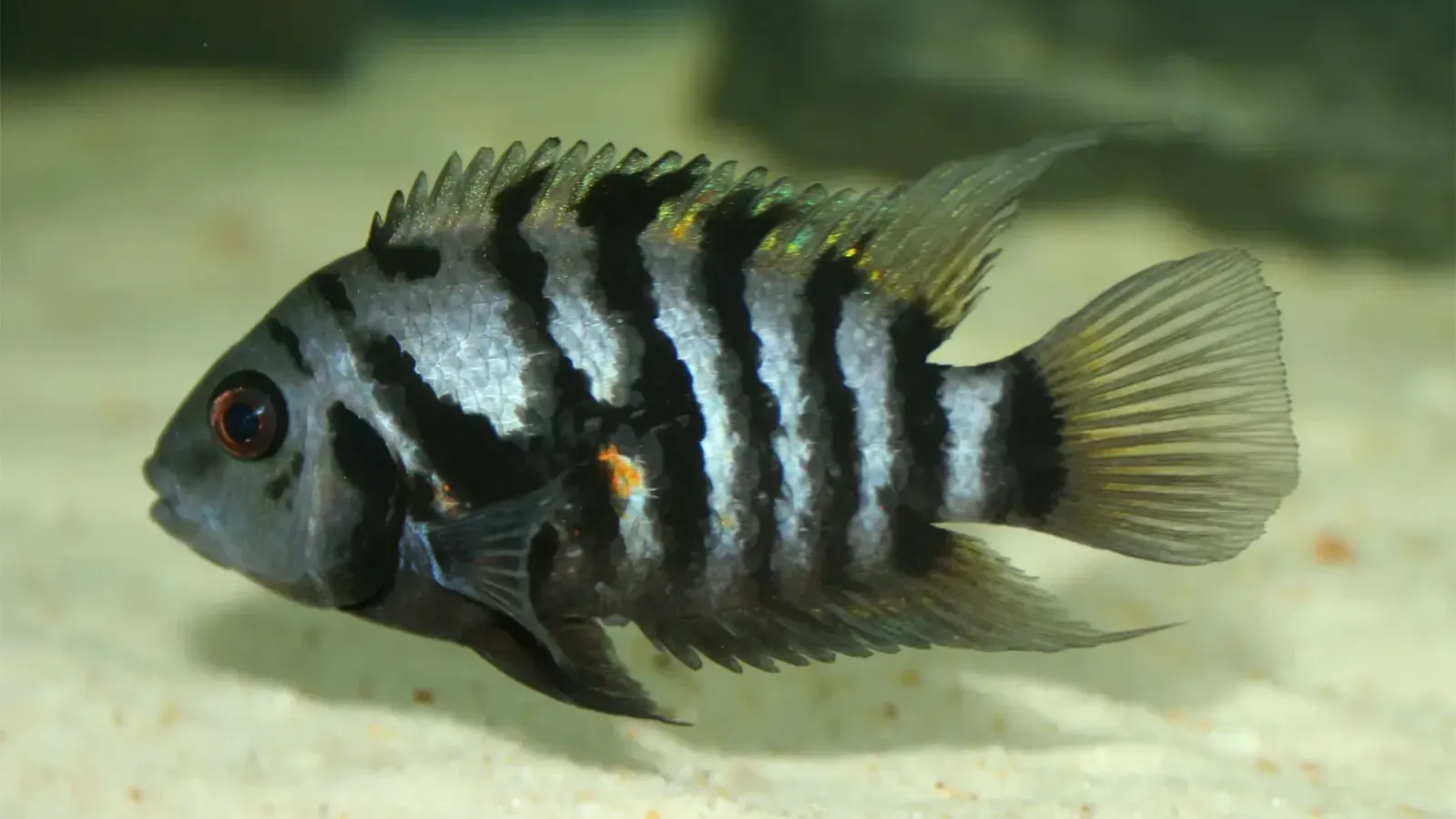
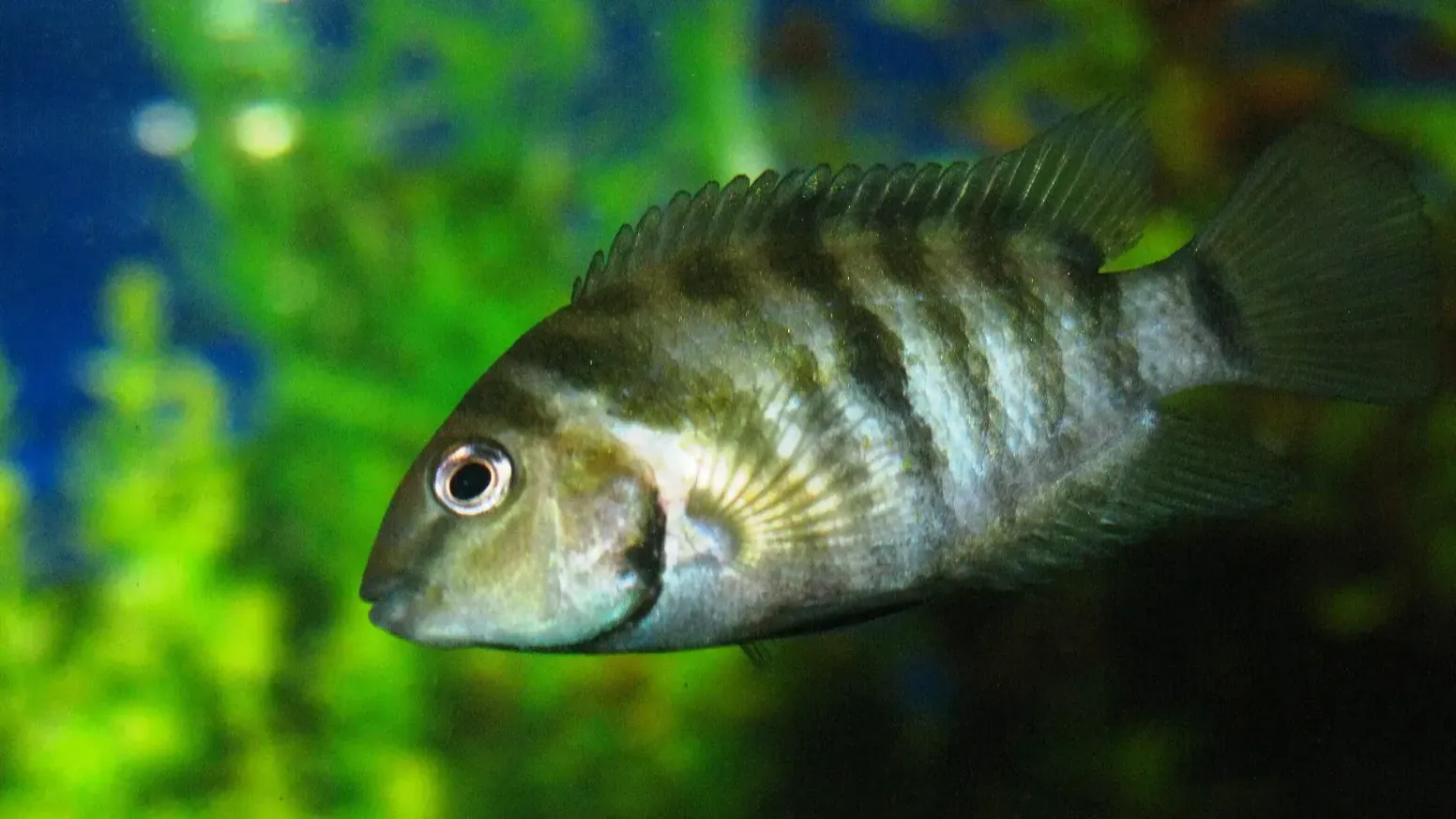
The convict cichlid (Amatitlania nigrofasciata) is the most sought-after freshwater aquarium fish, recognised by its black stripes on a bluish-grey or grey colour. They owe their "convict" tag to their prison-jacket-like appearance. The males have pointed fins and are more elongated overall, and the females are slightly smaller, with orange- or pink-bellied females at spawning. Their hardness and aberrant behaviour attract the aquarist, but their obnoxiousness renders them more suitable for an experienced fishkeeper.
Origin of the Convict Cichlid
They are native to Central America and live in Honduran, Guatemalan, Salvadoran, and Nicaraguan lakes and rivers. They like to live in rocky places with crevices and sunken wood where they can breed and hide. Their adaptability has made them one of the world's most domesticated cichlids.
Temperament and Compatibility of the Convict Cichlid
Convict cichlids are very territorial and will be snappish, particularly when breeding. Active in the tank but not community fish to be kept.
- Good tankmates: large catfish (plecos), powerful barbs, or other cichlids of similar hardness
- Do not keep as tank mates: small, delicate fish such as tetras, guppies, or angelfish
- Breeding pairs: it's best to keep them apart because aggression is at worst when defending fry
Price Range for the Convict Cichlid
Convict cichlids are inexpensive and are abundant in numbers. They cost between ₹300 to ₹800 (US $5–12) based on size and origin. Because they breed well in the aquarium, they are less expensive.
Characteristics
Temperament
Aggressive
Friendly
Compatibility with other fishes
Not Friendly
Super Friendly
Habitat Size
Small
Large


Habitat Requirements of the Convict Cichlid
Initial Setup Cost
₹4,000 - ₹12,000
Water Temperature
24º -27ºC
Water Type
Fresh Water
PH Level
6.5 - 8
Tank Setup
Convict cichlids are freshwater fish that thrive in aquariums replicating their natural environment. A 30-gallon tank is the minimum for a pair, but a 50-gallon or larger tank is better if you plan to keep multiple fish or encourage breeding. More space allows them to establish territories and reduces conflict.
Water Conditions
Convict cichlids are hardy but need stable conditions to remain healthy. The recommended parameters are:
- Temperature: 22–28°C (72–82°F)
- pH level: 6.5–8.0
- Hardness: 10–15 dH
Although they tolerate some variation, sudden fluctuations in water quality can cause stress and illness.
Environment Needs
These cichlids are natural diggers that rearrange their surroundings. A sandy or fine gravel substrate is ideal. Decorate the tank with caves, rocks, driftwood, or clay pots to provide hiding spots and breeding spaces. While plants can be included, convict cichlids often uproot them, so stick to hardy species like Java fern or Anubias that can be attached to hard surfaces. Standard aquarium lighting is sufficient.
Essential Equipment
Aquarium tank
Water filter
Heater
Light
Substrate
Nutritional Guide for the Convict Cichlid
Avg Monthly Expenses
₹80 - ₹ 150
Convict cichlids are omnivorous and thrive on a balanced diet. Include:

- Staple food: high-quality cichlid pellets or flakes
- Protein: frozen or live foods such as brine shrimp, bloodworms, or blackworms
- Vegetables: blanched spinach, peas, or zucchini for fiber and vitamins
Feeding tips:
- Feed once or twice daily
- Offer only what they consume in two minutes
- Rotate foods to prevent deficiencies
- Remove leftovers to maintain water quality

Health & Care for the Convict Cichlid
Common Health Issues
Fin rot
White spot / ick
Parasitic infections
Bacterial infections
Swim bladder disease
Hole in the head disease
Signs of good health
Active
Bright coloration
Good apetite
Signs of sickness
Loss of appetite
Dull coloring
Tattered fins
Swimming abnormally
Lethargic behaviour
Ich (White Spot Disease)
Ich is a parasitic infection that causes tiny white cysts on the skin and fins of fish.
- Possible Symptom: White spots on the body or fins, rapid gill movement, rubbing against surfaces.
- Cure: Raise tank temperature slightly (to speed up the parasite’s life cycle) and use an anti-parasitic medication. Quarantine affected fish if needed.
Fin Rot
Fin rot is a bacterial infection often caused by poor water quality or stress.
- Possible Symptom: Torn, frayed, or clamped fins that may appear discolored.
- Cure: Improve water quality with regular changes, use antibacterial treatments, and reduce overcrowding.
Bacterial or Fungal Infections
These infections usually occur when the fish’s immune system is weakened, often due to stress or injury.
- Possible Symptom: Faded coloration, cotton-like growths, lethargy, or excessive hiding.
- Cure: Isolate the affected fish, treat with antibacterial or antifungal medications, and ensure strong filtration and stable water conditions.
Parasites (Flukes or Worms)
Parasites can attach to the gills or body, causing irritation and weakening the fish over time.
- Possible Symptom: Loss of appetite, weight loss, rapid breathing, or flashing (scratching against objects).
- Cure: Use appropriate anti-parasitic treatments and quarantine infected fish to prevent spreading.
Prerequisites for a Fish
Adequate tank space
Effort & commitment
Cleanliness
Enriching Environment

Written by
Happy Pet TeamAuthor
Team Happy Pet is a passionate collective of pet experts, enthusiasts, and advocates dedicated to sharing trusted and insightful content.
Our cont
Frequently Asked Questions
What do Convict Cichlids eat?
They are omnivores and thrive on a diet of high-quality flakes, pellets, live or frozen foods like brine shrimp and bloodworms, and vegetables such as spinach and peas.
Are Convict Cichlids aggressive?
Yes, Convict Cichlids are known for their aggressive and territorial behavior, especially during breeding periods.
Can Convict Cichlids be kept with other fish?
While it is possible to keep them with other fish, their aggressive nature requires careful selection of tank mates. It's best to choose robust, similarly sized fish and provide plenty of hiding places.