
Home
/
Fish species
/
Chalk Bass
Chalk Bass
Origin
Caribbean Sea
Gulf of Mexico
Western Atlantic
Habitat Size
50-150 Liters
Water Type
Salt Water
Water Temperature
24º-28ºC
Cost in India
₹80 - ₹150
Size
2 - 3 inches (Small)
Diet
Omnivore

by Happy Pet TeamUpdated on 1 Dec 2025
Chalk Bass Fish Guide
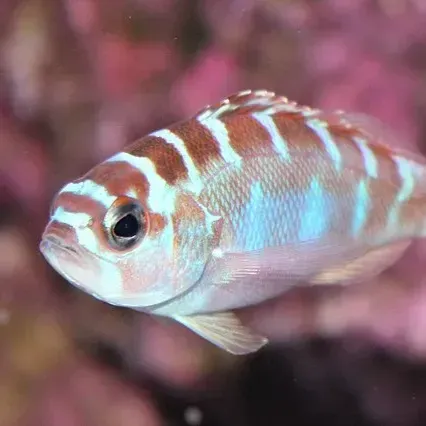
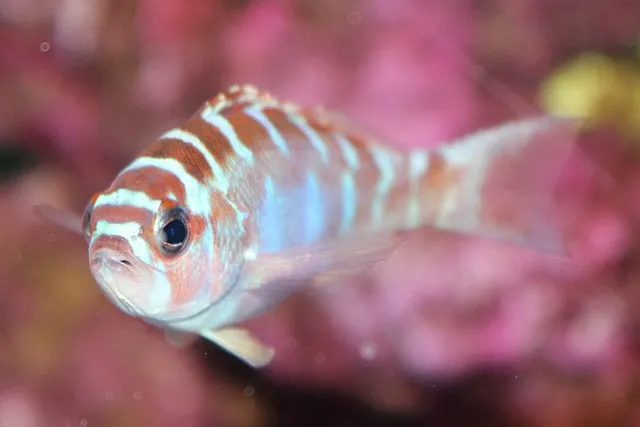
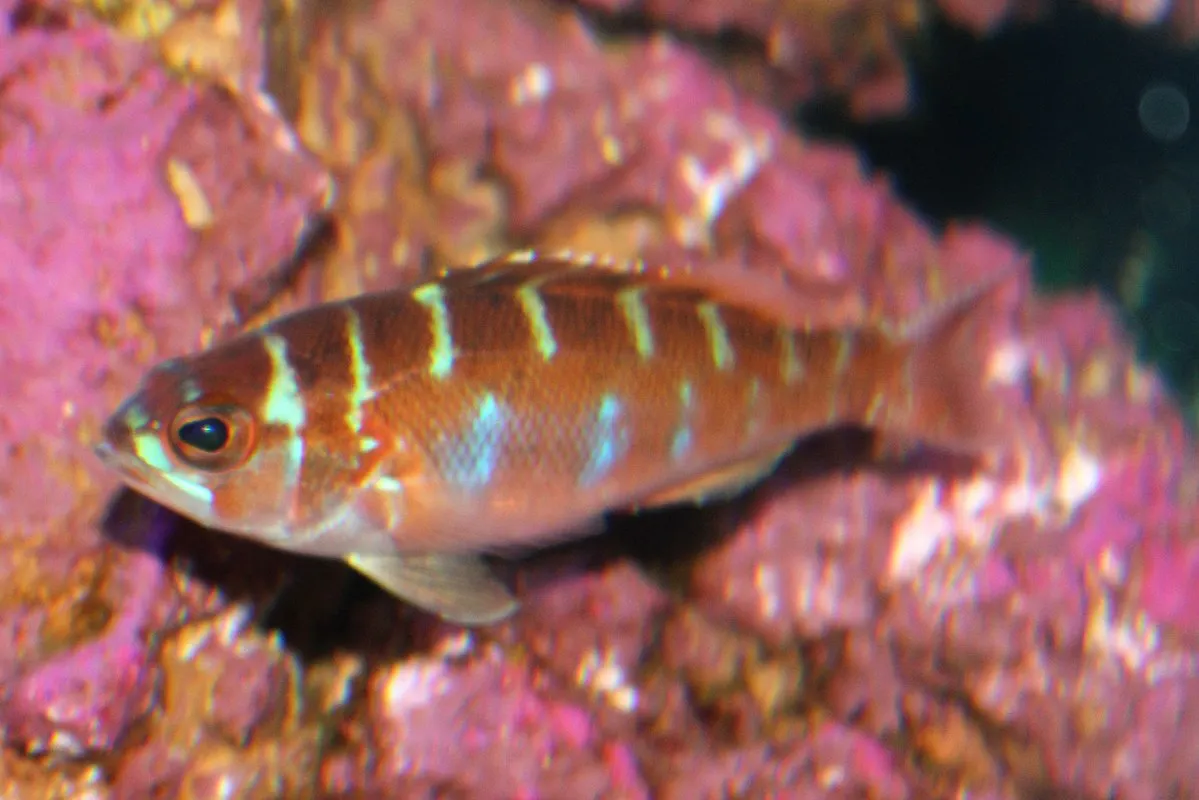
The Chalk Bass is a small, pretty marine fish often kept in saltwater aquariums. It can change its colors slightly to hide among rocks and coral. It is quite popular among reef-tank hobbyists because it is hardy and interesting to watch.
Chalk Bass Origin
- Chalk Bass lives in the western Atlantic Ocean, from southern Florida through the Caribbean to Venezuela.
- It was first formally described in 1935 by Longley, with its “type locality” being the Tortugas Islands in the Florida Keys.
- In nature, it lives over rock, sand, or rubble bottoms and often hovers just above those surfaces.
Temperament
- Chalk Bass are mostly peaceful and shy, especially at first in a new tank.
- They form loose groups (schools) and establish a social order among themselves.
- Because they are small, they are generally not dominant, but they may compete with fish of a similar size if the space is too small.
Compatibility
Chalk Bass Good tank mates include other peaceful, medium-sized reef fish, such as:
- Clownfish
- Tangs
- Anthias
- Butterflyfish
- Fairy wrasses
- They usually avoid coral and other sessile invertebrates, so they are considered reef safe, though large adults might try to eat very small shrimp.
- Avoid keeping them with big predators (lionfish, triggerfish, large groupers) or overly aggressive fish.
- If keeping more than one Chalk Bass, it is best to introduce them together (simultaneously) so they can form their group without fighting.
Chalk Bass Price Range
Estimated cost in India would likely be in the range of ₹2,500 to ₹5,500 for a healthy, small/medium Chalk Bass.
Characteristics
Temperament
Aggressive
Friendly
Compatibility with other fishes
Not Friendly
Super Friendly
Habitat Size
Small
Large


Chalk Bass Habitat Requirements
Initial Setup Cost
₹4,000 - ₹12,000
Water Temperature
24º -28ºC
Water Type
Salt Water
PH Level
8.1 - 8.4
Chalk Bass Tank Type
- It is a saltwater (marine) fish, suitable for reef or marine community tanks.
Aquarium Size
- Minimum recommended size is 30 gallons for one individual
- If you want a small school (2–3 fish), give about 15 to 20 gallons extra per fish so they have space.
Water Conditions
- Temperature: 72 °F to 76 °F (22–24 °C)
- pH level: 8.1 to 8.4
- Alkalinity/hardness: dKH ~ 8 to 12
- Specific Gravity/Salinity: 1.020 to 1.025
Environment Needs
- Provide live rock, caves, ledges, empty shells, or coral rubble so the Chalk Bass can hide when it feels scared.
- In the early days, use dim lighting to reduce stress.
- Make sure the tank has a secure lid or cover because Chalk Bass are known to jump, especially when stressed.
Essential Equipment
Aquarium tank
Water filter
Heater
Substrate
Light
Decor
Chalk Bass Nutritional Guide
Avg Monthly Expenses
₹80 - ₹ 150
Chalk Bass Diet Type

- They are omnivores, feeding on both tiny animals (zooplankton, microfauna) and bits of meat.
Suitable Foods
- Live or frozen planktonic foods include (brine shrimp, mysis, and small crustaceans).
- Chopped meaty marine fare (krill, squid bits, shellfish)
- Eventually, high-quality flakes or pellets rich in marine protein.
Feeding Frequency & Tips
- Feed small amounts multiple times during a day instead of one huge amount.
- Bloating and health problems may result from overeating, which Chalk Bass are known for doing.
- Spreading food around in different places reduces competition for all fish to eat.
- Assess water quality, and assess health if appetite declines. Loss of appetite can be abrupt.

Chalk Bass Health & Care
Common Health Issues
Fin rot
White spot / ick
Fungal infections
Parasitic infections
Bacterial infections
Signs of good health
Active
Bright coloration
Good apetite
Signs of sickness
Loss of appetite
Lethargic behaviour
White growths
Tattered fins
Cloudy eyes
Common Health Issues
- Popeye (swollen or protruding eyes) is one problem when the water quality drops.
- Protozoan infections or skin cysts may appear if the water is not clean.
Symptoms to Watch
- White spots, fuzzy patches, ulcers, or red streaks may mark the body.
- Loss of appetite
- Staying close to the surface or swimming without much direction.
- Other deformities, like swollen eyes
Treatment
- Quarantine affected fish in a separate tank.
- Use either appropriate antibiotics or appropriate antiparasitics that are suitable for marine fish.
- Use reef-safe disinfectants or an ultraviolet sterilizer if necessary.
Chalk Bass General Health Tips
- Change the water furthermore filter the well regularly to keep the water clean. These practices do help to maintain cleanliness.
- Often monitor parameters such as temperature, pH, and salinity
- Avoid overcrowding
- Hiding spots reduce stress greatly
- Quarantine new fish before adding them to the main tank
Prerequisites for a Fish
Adequate tank space
Cleanliness
Effort & commitment
Enriching Environment

Written by
Happy Pet TeamAuthor
Team Happy Pet is a passionate collective of pet experts, enthusiasts, and advocates dedicated to sharing trusted and insightful content.
Our cont
Frequently Asked Questions
What do Chalk Bass eat?
They are omnivores, feeding on a diet of small crustaceans, zooplankton, and algae. In captivity, they can be fed a variety of frozen and live foods like brine shrimp, mysis shrimp, and quality marine flake or pellet foods.
Are Chalk Bass aggressive?
Chalk Bass are generally peaceful towards other fish species but can display territorial behavior, especially towards other basslets or similar-looking fish. They are best kept with other peaceful tankmates.
Can Chalk Bass be kept with corals and invertebrates?
Chalk Bass are reef-safe and generally compatible with most corals and invertebrates. However, they may eat small shrimp and crustaceans if not well-fed.